
EU4Energy
EU4Energy is a regionally-focused programme which concentrates on the five countries of the EU’s Eastern Partnership
Supporting the implementation of sustainable energy policies and fostering co-operative energy sector development
EU4Energy is a collaboration between the IEA, the European Union, Focus Countries and other implementing parties, designed to support the aspirations of Focus Countries to implement sustainable energy policies and foster co-operative energy sector development at the regional level. The EU4Energy programme is funded by European Union.
The first Phase of the Programme ran from July 2016 through June 2022, and focused on the countries of the EU's Eastern Partnership (EaP) and Central Asia: Armenia, Azerbaijan, Belarus, Georgia, Kazakhstan, Kyrgyzstan, Moldova, Tajikistan, Turkmenistan, Ukraine and Uzbekistan. EU4Energy builds on the success of the long running INOGATE Programme and follows objectives for regional cooperation agreed between the EU and the beneficiary countries.
The EU renewed the EU4Energy Programme for a second phase, which ran from July 2021 to December 2025 and focused solely on the EaP countries: Armenia, Azerbaijan, Georgia, Moldova, and Ukraine.
Phase III of the EU4Energy Programme began on 1 January 2026 and will run until 31 December 2028, continuing to focus on the Eastern Partnership countries. In addition, the EU4Energy Programme provides technical assistance on legislative and regulatory frameworks and on key energy infrastructure investments to the countries of the Eastern Partnership, via the Energy Community Secretariat and the Council of European Energy Regulators (CEER).
The Programme's aim is to improve energy data capabilities and enhance data collection and monitoring of the beneficiary countries. It also assists them in evidence-based energy policy design. The IEA is responsible for four components of the Programme, looking at energy data management and use, sustainable energy, energy security, and communication and visibility.
EU4Energy statistics training
Building robust and flexible energy policies
Today’s energy policy landscape is shaped by the need to prepare for an uncertain future. To ensure decisions made today remain relevant and effective in the long term, governments must adopt a scenario-based approach supported by robust energy system modelling. However, building and maintaining this analytical capacity—both in terms of tools and skilled personnel—requires sustained investment. Reliable national energy statistics are also essential to underpin accurate modelling and scenario analysis.
This EU4Energy report draws on IEA expertise to guide countries in strengthening their long-term energy planning capabilities. It addresses the needs of both emerging and established planning frameworks, offering practical insights across key work areas. A self-assessment tool is included to help national stakeholders identify gaps and prioritise improvements, alongside a curated list of resources to support immediate action.
Home heating technology solutions
When it comes to home heating, consumers have a diverse array of options, from traditional systems that run on fossil fuels to cutting-edge sustainable solutions. The brochures below provide an overview of technologies available in Armenia, Azerbaijan, Georgia, Moldova and Ukraine allows for a closer examination of their individual characteristics and their potential role in achieving secure, sustainable heating for households.
A window into our work


Supporters and partners
Roadmaps and summary brochures for policy makers



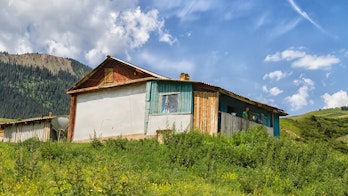
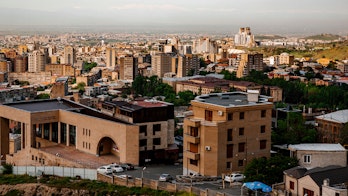

In-Depth-Reviews of EU4Energy Energy Policies



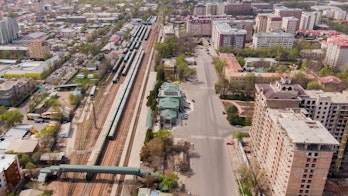






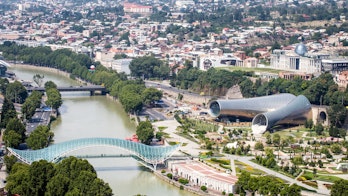
Events
10 Sep 2026 15:00—18:00
Multiple Benefits of Energy Efficiency for Business Webinar
18 Nov 2024 10:00—12:00
Launch of IEA for EU4Energy Energy Efficiency for Roadmap for Azerbaijan
19 Sep 2024 11:00—11:40
Ukraine’s Energy Security and the Coming Winter
28 Feb 2023 10:30—12:30
EU4Energy Policy Forum: Energy Security Lessons Learned from Ukraine and Moldova
News
IEA convenes EU4Energy forum on sustainable transport policy as momentum grows for electric vehicles and low-emissions fuels
IEA Policy Forum in Lithuania showcases energy security and climate benefits of renewable heat
IEA for EU4Energy Forum discusses energy security including lessons learned from Ukraine and Moldova
Market reforms, higher efficiency and increased electricity security are essential for Uzbekistan’s energy transition to succeed, new IEA policy review says
Latest country roadmap
A new roadmap for Georgia outlines practical reforms for energy security and clean mobility.