-
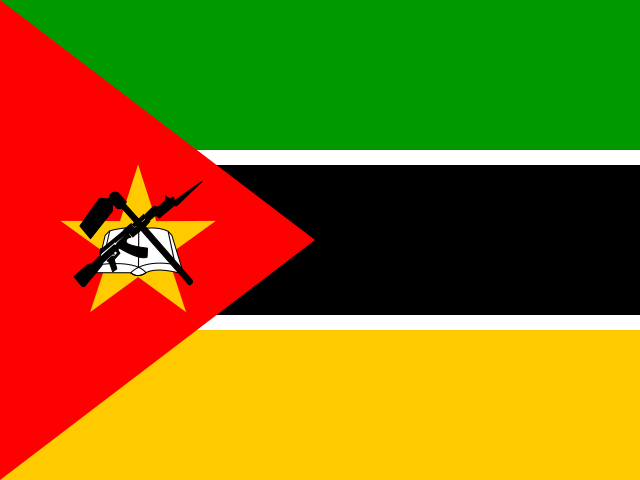
Mozambique
In Mozambique, around 40% of people have access to electricity, through the grid or mini/off-grid systems. The government has promoted solar PV solutions in rural areas, reporting that 700 schools and 800 other public buildings now have electricity from solar.
- Overview
- Energy mix
- Emissions
- Electricity
-
+ 5 pages

![Mozambique Flag]()
-
Breakthrough Agenda Report 2025 Power
State of the transition Emissions Global emissions from electricity generation rose by 1.2% in 2024 to around 13.9 Gt of CO2, following an increase of 1.6% in 2023.The global emissions intensity of electricity generation is on a contracting trend, with a record 3% reduction in 2024 compared to 1% in 2023. This improvement reflects the rapid growth in renewable energy and nuclear electricity production relative to rising demand. Cost On an levelised cost of electricity (LCOE) basis, renewables remained the most cost-competitive option for new electricity generation in 2024.Onshore wind remained the most affordable…
- Executive summary
- Power
- Hydrogen
- Road transport
-
+ 4 pages

-
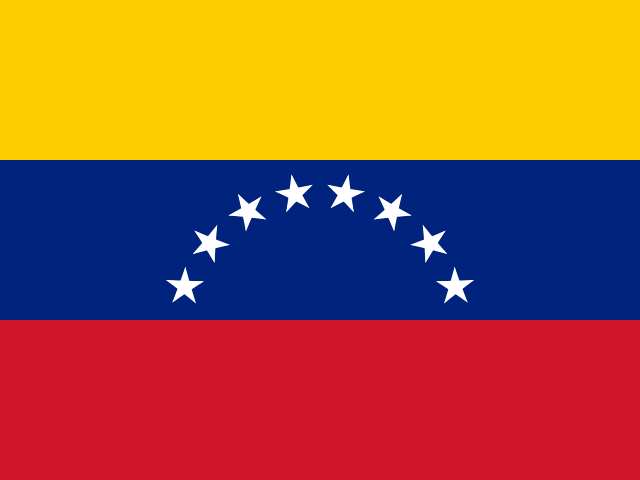
Venezuela
The Venezuela Plan for the National Electric System aims to integrate renewables in the power system by including it in medium and long-term strategies. It aims to develop the use of renewables within isolated rural communities including solar, small hydro and biogas.
- Overview
- Energy mix
- Emissions
- Electricity
-
+ 5 pages

![Venezuela Flag]()
-
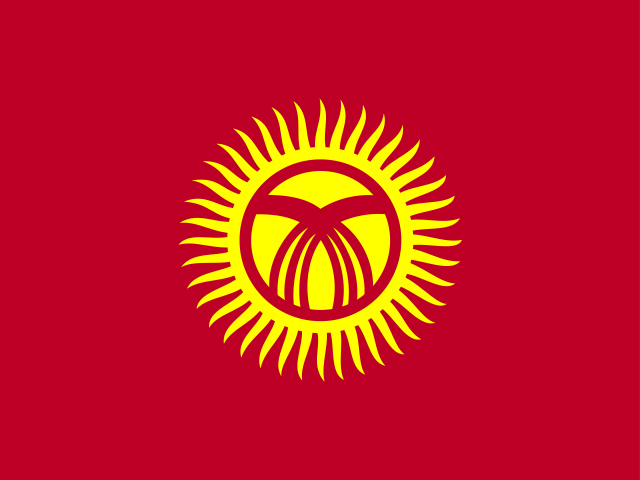
Kyrgyzstan
Kyrgyzstan’s hydro-rich energy sector is characterised by aging infrastructure and significant losses, which are exacerbated by a combination of weather-related shocks and growing demand. Energy policy aims to improve energy security by developing indigenous energy sources and rehabilitating and expanding transmission and distribution networks. Developing sustainable energy and improving energy efficiency are also priorities, while slowly removing subsidies will allow for further investment and expansion of domestic resources. Kyrgyzstan is part of the EU4Energy Programme, which is focused on evidence-based policymaking in the energy sector.
- Overview
- Energy mix
- Emissions
- Electricity
-
+ 5 pages

![Kyrgyzstan Flag]()
-
Best Practices and Insights to Expand Clean Energy Access and Adoption
This report was commissioned by the European Commission to serve as a technical repository of analysis and evidence-based practices in support of the Campaign on Sustainable Lifestyles, Fairness and Access to Clean Energy Technologies. The analysis presented draws on discussions and research shared during the Widening Participation in Clean Energy workshop held in Brussels, contributions presented at the official all-member meetings of the Campaign on Sustainable Lifestyles, and the IEA’s analytical work in areas such as people-centred clean energy transitions, affordability, energy efficiency and clean energy access.This work is organised into three chapters, each corresponding…

-
Georgia
Georgia has developed an energy sector based largely on hydropower and fuelwood, in addition to imports of fossil fuels. It is also an important transit country for the region, with major oil and gas pipelines running across Georgian territory. Efforts are required to improve energy efficiency and capitalise on the country’s renewable energy potential.
Georgia has made solid progress in the past decade, both in improving the security of its energy supply and in transitioning to a cleaner, more sustainable energy system. Although Georgia is still confronted with many challenges in its transition to a more secure, sustainable and…- Overview
- Energy mix
- Emissions
- Electricity
-
+ 5 pages
![Georgia Flag]()
-
Oil Market Report - June 2025
The IEA Oil Market Report (OMR) is one of the world's most authoritative and timely sources of data, forecasts and analysis on the global oil market – including detailed statistics and commentary on oil supply, demand, inventories, prices and refining activity, as well as oil trade for IEA and selected non-IEA countries. Highlights World oil demand is forecast to increase by 720 kb/d in 2025. This is marginally below last month’s estimate, as weak 2Q25 deliveries in the United States and China undercut resilience elsewhere. Growth in 2026, at 740 kb/d, will be held back by…

-
Renewables 2025 Renewable transport
Renewable energy in transport is set to expand 50% to 2030 With greater use of renewable electricity, liquid biofuels, biogases and renewable hydrogen and hydrogen-based fuels, renewable energy consumption in transport is expected to rise 50% by 2030. The largest share of this growth (45%) will come from renewable electricity used for electric vehicles, especially in China and Europe.Road biofuels contribute the second-largest share (35%), with significant growth in Brazil, Indonesia, India and Malaysia, supported by tightening mandates and rising fuel demand. Aviation and maritime fuel use makes up 10% of growth, primarily owing to mandates in…

-
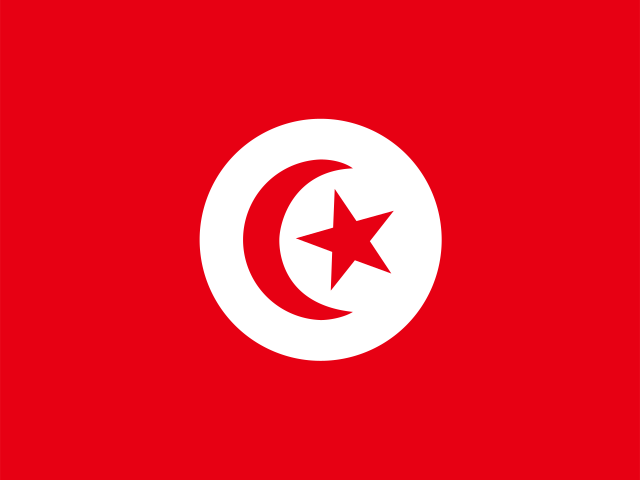
Tunisia
Tunisia mostly relies on gas imports to meet its primary energy needs: almost 97% of its electricity generation came from gas in 2016. However, energy policy puts the emphasis on renewable energy. Electricity generation from wind power strongly increased since 2014.
- Overview
- Energy mix
- Emissions
- Electricity
-
+ 5 pages
![Tunisia Flag]()
-
Pakistan
In Pakistan, most of the primary energy supply comes from oil and natural gas. Hydropower is the main renewable source of energy in the country but wind and solar PV’s shares are slowly growing. More than 40 million people remain without access to electricity and half the population lack access to clean cooking facilities.
- Overview
- Energy mix
- Emissions
- Electricity
-
+ 5 pages

![Pakistan Flag]()