-
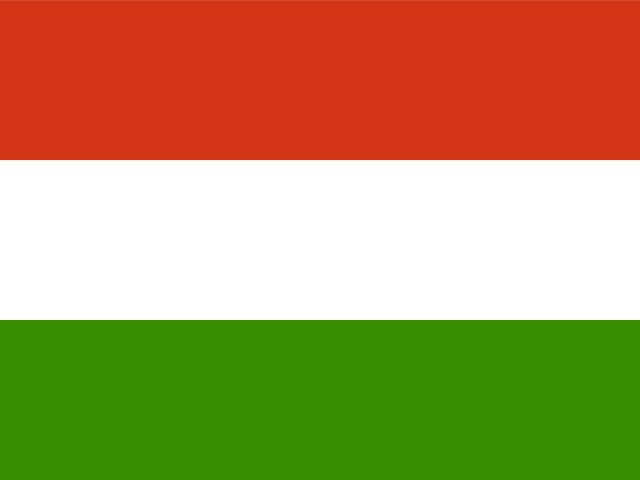
Hungary
Hungary was among the first countries globally, in June 2020, to make a legal commitment to become carbon neutral by 2050 and plans to phase out coal by 2030 at the latest. Enhanced energy efficiency, increased renewable and nuclear electricity and electrification of end-use sectors are identified as the key drivers towards the 2050 target. Hungary plans to build two new nuclear unit and while solar PV has grown notably, wind lacks behind its potential but the change in siting limits for wind turbines are likely to have a positive impact on the sector.
- Overview
- Energy mix
- Emissions
- Electricity
-
+ 5 pages

![Hungary Flag]()
-
Portugal
Portugal is supporting decarbonisation through a wide variety of measures, such as, coal-fired generation was phased out in 2021. Portugal is further developing its large hydropower fleet, including additional capacity of pumped hydro storage. Portugal is an international leader for integration of wind generation, and auctions are driving rapid deployment of PV and battery storage. Portugal is pushing for better electricity interconnections with the rest of Europe. Portugal’s National Energy and Climate Plan sets 2030 targets for emissions reductions, energy efficiency and renewable energy that aim to put the country a path to achieving cost effective carbon neutrality…
- Overview
- Energy mix
- Emissions
- Electricity
-
+ 5 pages
![Portugal Flag]()
-
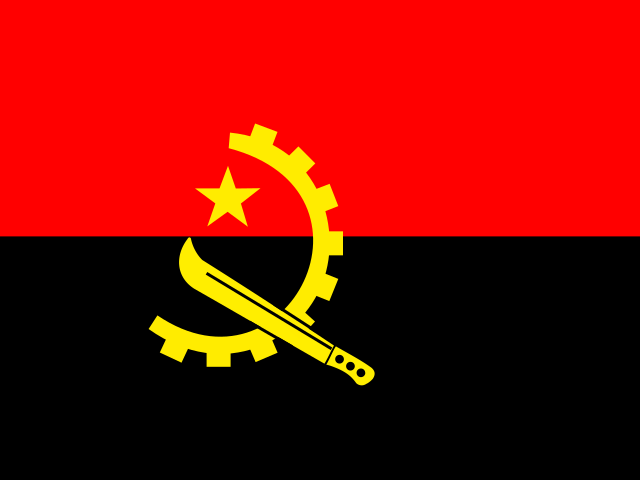
Angola
Angola is set to become the largest producer of crude oil in Southern Africa, yet has also set the foundation for the sustainable development of renewables, through investments and supportive measures. Angola has particularly strong hydropower generation potential that remains underutilised.
- Overview
- Energy mix
- Emissions
- Electricity
-
+ 5 pages

![Angola Flag]()
-
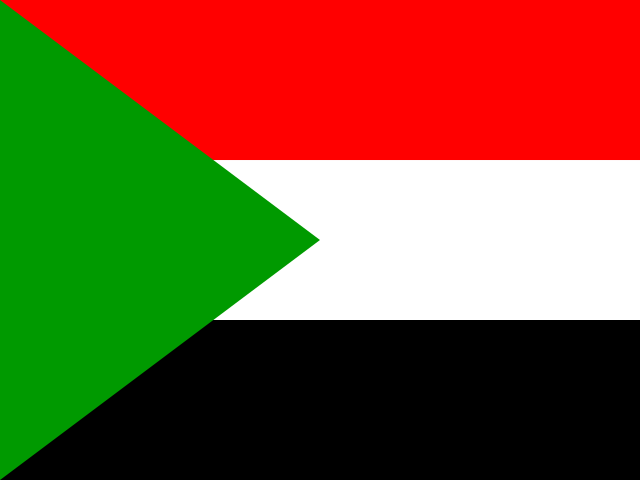
Sudan
Most of Sudan’s electricity generation comes from hydropower, and more than half of the Eastern African region’s total oil-based capacity is located in the country. Sudan is also contemplating scaling up projects on solar power in the coming years.
- Overview
- Energy mix
- Emissions
- Electricity
-
+ 5 pages
![Sudan Flag]()
-
Brazil 2025
Energy Policy Review Government action plays a pivotal role in ensuring secure and sustainable energy transitions. Energy policy is critical not just for the energy sector but also for meeting environmental, economic and social goals. Governments need to respond to their country’s specific needs, adapt to regional contexts and help address global challenges. In this context, the International Energy Agency (IEA) conducts Energy Policy Reviews to support governments in developing more impactful energy and climate policies.This Energy Policy Review was prepared in partnership between the Government of Brazil and the IEA. It draws on the IEA’s extensive…

-
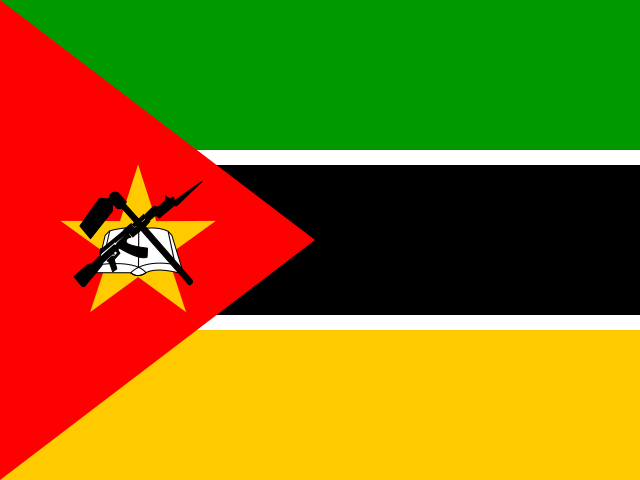
Mozambique
In Mozambique, around 40% of people have access to electricity, through the grid or mini/off-grid systems. The government has promoted solar PV solutions in rural areas, reporting that 700 schools and 800 other public buildings now have electricity from solar.
- Overview
- Energy mix
- Emissions
- Electricity
-
+ 5 pages
![Mozambique Flag]()
-
Global Methane Tracker 2026 Regional insights
Central and South America The fossil fuel sector in Central and South America emitted just under 8 million tonnes (Mt) of methane in 2025, around half of which was from oil and gas facilities in Venezuela. Oil and gas facilities are the main sources of methane emissions in Venezuela, Argentina and Brazil, whereas in Colombia emissions are split roughly evenly between coal mining and oil and gas activities. In Venezuela, the upstream methane emissions intensity of oil and gas operations is nearly six times the global average, and flaring intensity is around 12 times higher. The intensities of operations in Argentina…

-
Congo
In Congo, 3 out of 5 people do not have access to electricity. As a country with a very low population density, Congo faces particularly severe challenges in bringing energy of any kind to its rural communities.
- Overview
- Energy mix
- Emissions
- Electricity
-
+ 5 pages
![Congo Flag]()
-
Cote D’Ivoire
Most of Cote d'Ivoire's primary energy demand is covered by local oil refinery supplies and domestic gas production. Almost 60% of the population had access to electricity in the country in 2017, a 10-percentage point’s increase from 2015.
- Overview
- Energy mix
- Emissions
- Electricity
-
+ 5 pages
![Cote D’Ivoire Flag]()
-
Chad
In Chad, only 4% of the population has access to electricity. This goes hand-in-hand with low rates of access to basic services such as drinking water, basic sanitation and paved roads. Meanwhile, crude oil has become the country’s primary source of export earnings. In 2019, Chad’s energy mix was dominated by biofuels and wastes (85%) with oil products accounting for the rest of the total energy supply. In 2020, less than 5% of the population had access to clean cooking and 8% had access to electricity. The electrification rate is one of the lowest in Sub…
- Overview
- Energy mix
- Emissions
- Electricity
-
+ 5 pages
![Chad Flag]()