-
Qatar
Qatar is a major producer and exporter of natural gas, oil and oil products. Its domestic oil and gas productions entirely cover the country’s energy needs.
- Overview
- Energy mix
- Emissions
- Electricity
-
+ 5 pages

![Qatar Flag]()
-
Bahrain
Bahrain's energy supply comes largely from the exploitation of its domestic fossil fuels resources. The country is also a major producer and exporter of oil, petroleum products and natural gas.
- Overview
- Energy mix
- Emissions
- Electricity
-
+ 5 pages
![Bahrain Flag]()
-
Sudan
Most of Sudan’s electricity generation comes from hydropower, and more than half of the Eastern African region’s total oil-based capacity is located in the country. Sudan is also contemplating scaling up projects on solar power in the coming years.
- Overview
- Energy mix
- Emissions
- Electricity
-
+ 5 pages

![Sudan Flag]()
-
Dominican Republic
Dominican Republic has adopted a law on incentives for the development of renewable energy sources, which aims to increase the diversity of energy sources, reduce dependence on imported fossil fuels and stimulate investment in renewable energy.
- Overview
- Energy mix
- Emissions
- Electricity
-
+ 5 pages

![Dominican Republic Flag]()
-
Senegal
In Senegal, 65% of the population has access to electricity. Strong policies and incentives have supported liquefied petroleum gas (LPG) use and less than 25% of the urban population now relies on solid biomass for cooking.
- Overview
- Energy mix
- Emissions
- Electricity
-
+ 5 pages
![Senegal Flag]()
-
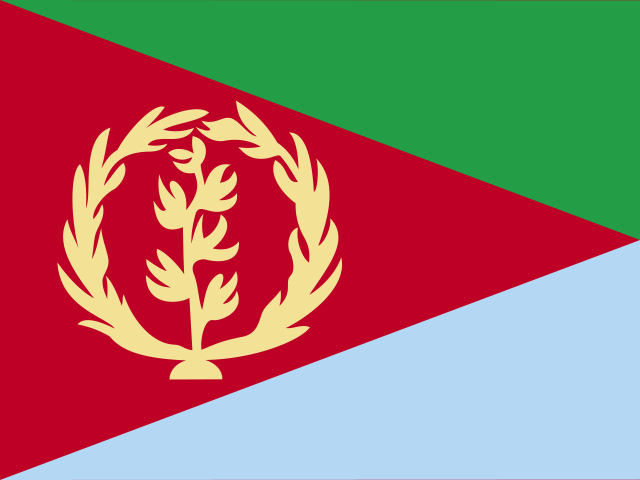
Eritrea
Less than half of the population of Eritrea has access to electricity. Most of the country's electricity generation comes from imported oil.
- Overview
- Energy mix
- Emissions
- Electricity
-
+ 5 pages
![Eritrea Flag]()
-
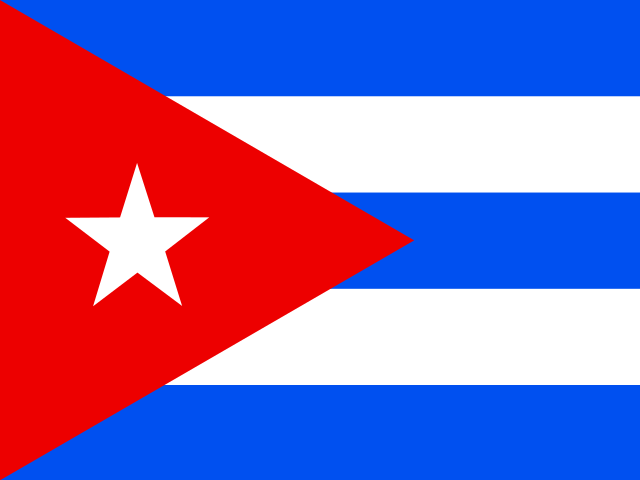
Cuba
Cuba’s energy supply mainly comes from oil products, accounting for over 80% of power generation.
- Overview
- Energy mix
- Emissions
- Electricity
-
+ 5 pages
![Cuba Flag]()
-
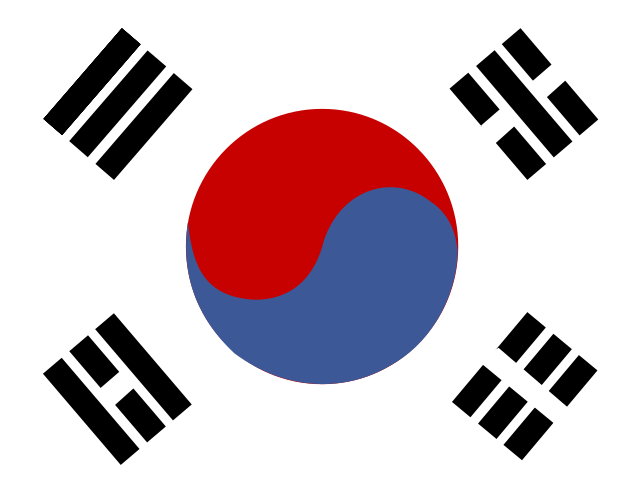
Korea
Korea has set a target of reaching carbon neutrality by 2050 by substantially increasing the share of renewable energy sources, gradually phasing out coal, significantly improving energy efficiency and fostering the country’s nascent hydrogen industry. Korea’s energy sector is characterised by a dominance of fossil fuels, a strong dependence on energy imports and one of the highest shares of industrial energy use among IEA countries. Korea aims to leverage the fourth industrial revolution for its energy transition and to foster green growth by means of low-carbon technologies and clean energy. Due to Korea’s high share of…
- Overview
- Energy mix
- Emissions
- Electricity
-
+ 5 pages

![Korea Flag]()
-
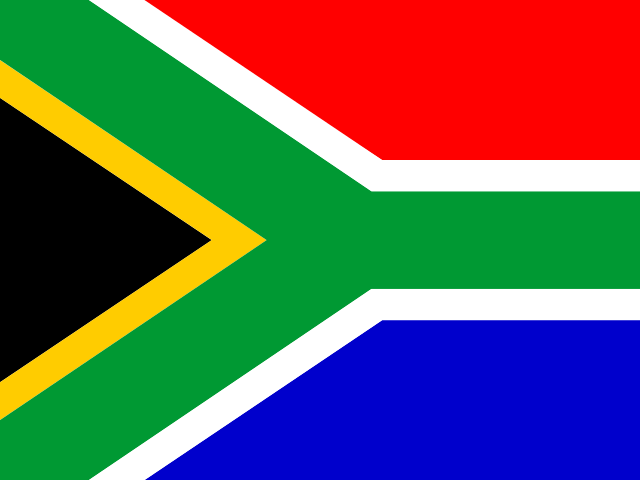
South Africa
Coal is the mainstay of the South African energy system, meeting around 70% of installed power generation capacity. The 2019 Integrated Resource Plan however sets out a long-term diversification of the power mix by 2030 and moves towards lightening the carbon footprint of the energy sector while meeting growing energy demand and ensuring a socio-economically just transition. While the options to diversify the country's electricity mix appear diverse, the affordability of electricity supply looms as a key concern and a potential constraint on diversification. The structure of consumption and of spending on electricity is skewed towards higher…
- Overview
- Energy mix
- Emissions
- Electricity
-
+ 5 pages
![South Africa Flag]()
-
Turkmenistan
Turkmenistan’s government is continuously investing in oil and gas, to modernise and expand the electricity and heat sector by 2020. Moreover, the energy sector is almost fully subsidised, with citizens receiving free electricity, heat and gas up to a certain level of consumption, until 2030, but the government is taking steps to reduce subsidies to curb domestic demand and increase exports. Turkmenistan is part of the EU4Energy Programme, an initiative focused on evidence-based policymaking for the energy sector.
- Overview
- Energy mix
- Emissions
- Electricity
-
+ 5 pages

![Turkmenistan Flag]()