-
Australia
…Australia's climate goals include doubling emissions reductions by 2030 and reaching Net Zero emissions by 2050, while ensuring a just and inclusive energy transition through the guidance of the Net Zero Authority under the Prime Minister’s office. By 2030, the government aims to reach the clean electricity target of 82% of renewable energy. In addition to this target, Australia is implementing a new 2030 critical minerals strategy and gas market reforms to boost energy security during the transition. Flexibility, fuel availability and resilient infrastructure will become even more vital as Australia’s energy system incorporates very high shares…
- Overview
- Energy mix
- Emissions
- Electricity
-
+ 5 pages

![Australia Flag]()
-
Austria
Austria is committed to reaching climate neutrality by 2040. Over three quarter of electricity generation already comes from renewables, with a target of achieving a 100% renewable electricity supply by 2030 (national balance). This requires investments to make networks more resilient and flexible, optimise demand side management, and updating the legal and regulatory framework to allow more consumer participation. Buildings and transport account for around half of total emissions . To progress the transition in these sectors, the government supports building renovation, switching from fossil fuels to sustainable heating systems, the electrification of transport and invests in public transport infrastructure.
- Overview
- Energy mix
- Emissions
- Electricity
-
+ 5 pages

![Austria Flag]()
-
New Zealand
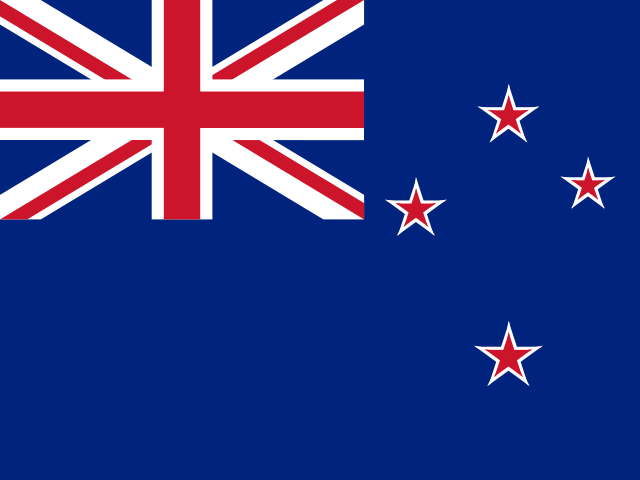
New Zealand has a diversified energy mix, with significant production of both hydropower and geothermal. As the country embarks on an ambitious energy transition, it has many natural advantages, including a strong renewable resource base. New Zealand already has a low-emissions electricity system, with over 80% of electricity coming from renewable sources. The key challenge will be to decarbonise other end-use sectors through clean power and support investments in new technologies to achieve deeper emissions cuts across all sectors. Notably, the transport sector accounts for the highest share of emissions and is almost entirely dependent on oil while…
- Overview
- Energy mix
- Emissions
- Electricity
-
+ 5 pages
![New Zealand Flag]()
-
United Arab Emirates
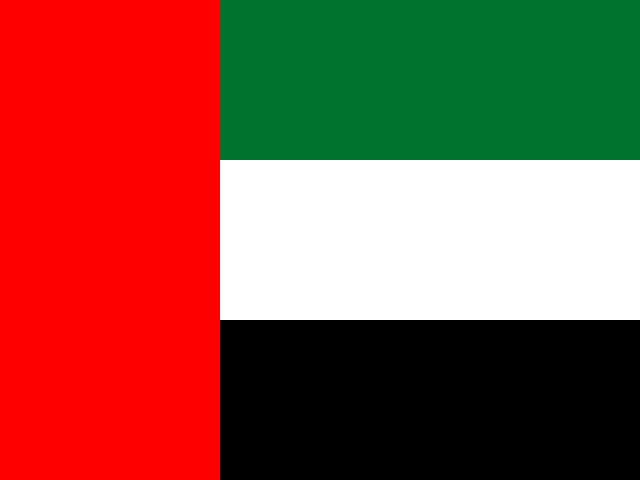
The majority of the energy produced in the United Arab Emirates is from natural gas and oil. The country is also a major exporter of oil and gas and it started using its strong solar PV potential in 2014 to produce electricity.
- Overview
- Energy mix
- Emissions
- Electricity
-
+ 5 pages

![United Arab Emirates Flag]()
-
Brunei Darussalam
In 2014, Brunei adopted a strategic plan to achieve 10% share of renewables in the national energy mix by 2035. The plan provides the outline to introduce renewable energy policy and regulatory frameworks and to scale-up market deployment of solar PV.
- Overview
- Energy mix
- Emissions
- Electricity
-
+ 5 pages
![Brunei Darussalam Flag]()
-
Malaysia
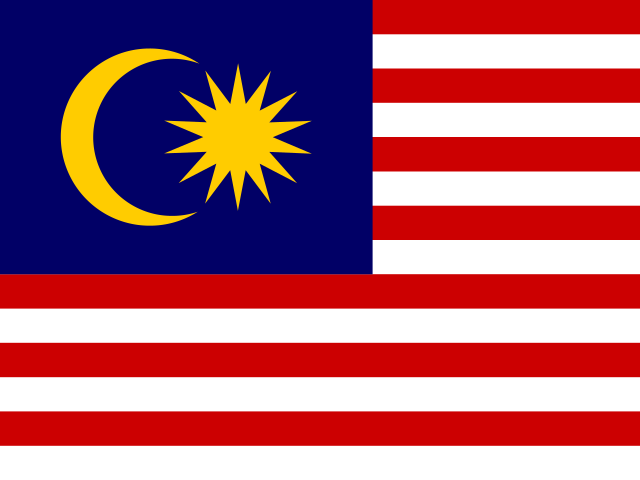
In Malaysia, the share of gas in the power mix decreased from 67% in 2005 to 47% in 2015, led by policies to switch to coal in response to declining domestic gas production. The country holds a large share of Southeast Asia’s fossil fuel resources.
- Overview
- Energy mix
- Emissions
- Electricity
-
+ 5 pages
![Malaysia Flag]()
-
Hong Kong
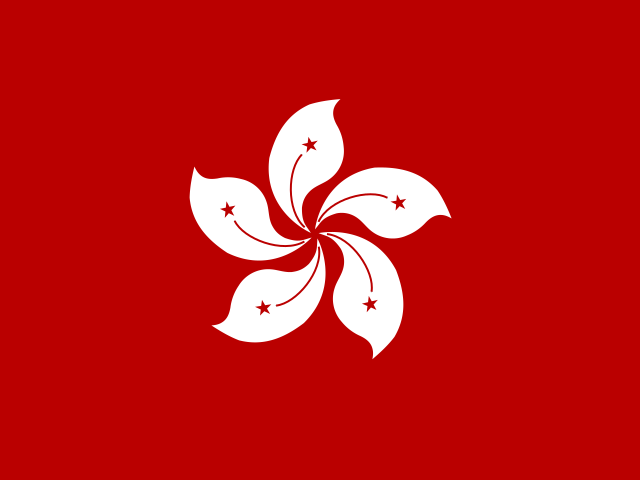
Hong Kong
- Overview
- Energy mix
- Emissions
- Electricity
-
+ 5 pages
![Hong Kong Flag]()
-
Angola
Angola is set to become the largest producer of crude oil in Southern Africa, yet has also set the foundation for the sustainable development of renewables, through investments and supportive measures. Angola has particularly strong hydropower generation potential that remains underutilised.
- Overview
- Energy mix
- Emissions
- Electricity
-
+ 5 pages

![Angola Flag]()
-
Eswatini
Eswatini
- Overview
- Energy mix
- Emissions
- Electricity
-
+ 5 pages
![Eswatini Flag]()
-
Algeria
Algeria is a large oil and gas producer and exporter. In 2015, the country updated its Renewable Energy and Energy Efficiency Development Plan to 2030, and put greater focus on the deployment of large-scale renewables, including solar PV and onshore wind installations, through various incentive measures.
- Overview
- Energy mix
- Emissions
- Electricity
-
+ 5 pages
![Algeria Flag]()