-
Honduras
In 2014, Honduras approved a new Law of Electrical Industry, which establishes technology-specific auctions for renewable energy. 75% of the population has access to electricity in the country and only 48% can rely on clean cooking facilities.
- Overview
- Energy mix
- Emissions
- Electricity
-
+ 5 pages

![Honduras Flag]()
-
Israel
Israel endorsed a target of generating 10% of the country’s electricity from renewable sources in 2020. Solar thermal and photovoltaic power plants are expected to account for over 70% of total generation, with the remainder deriving from household PV units, wind energy and biomass.
The statistical data for Israel are supplied by and under the responsibility of the relevant Israeli authorities. The use of such data by the OECD is without prejudice to the status of the Golan Heights, East Jerusalem and Israeli settlements in the West Bank under the terms of international law.- Overview
- Energy mix
- Emissions
- Electricity
-
+ 5 pages

![Israel Flag]()
-
Brazil
Brazil’s energy policies measure up well against the world’s most urgent energy challenges. Access to electricity across the country is almost universal and renewables meet almost 45% of primary energy demand, making Brazil’s energy sector one of the least carbon-intensive in the world. Total primary energy demand has doubled in Brazil since 1990, led by strong growth in electricity consumption and in demand for transport fuels on the back of robust economic growth and a burgeoning middle class.
Large hydropower plants account for around 80% of domestic electricity generation, making the Brazilian electricity mix one of…- Overview
- Energy mix
- Emissions
- Electricity
-
+ 5 pages
![Brazil Flag]()
-
Madagascar
Around a quarter of the population of Madagascar has access to electricity, and only 1.5% has access to clean cooking facilities. In 2019, Madagascar’s energy mix was dominated by biofuels and wastes (85%), with oil products (11%), coal and hydro accounting for the rest of the total energy supply. In 2020, less than 5% of the population had access to clean cooking and 27% had access to electricity. The Government of Madagascar has set a target of reaching 70% electricity access rate by 2030.
- Overview
- Energy mix
- Emissions
- Electricity
-
+ 5 pages

![Madagascar Flag]()
-
Benin
Benin is reliant on electricity imports for a significant share of its energy supply. Reform programmes, including plans for electrification, have been put in place in the country, where only 30% of the population had access to electricity in 2017.
- Overview
- Energy mix
- Emissions
- Electricity
-
+ 5 pages
![Benin Flag]()
-
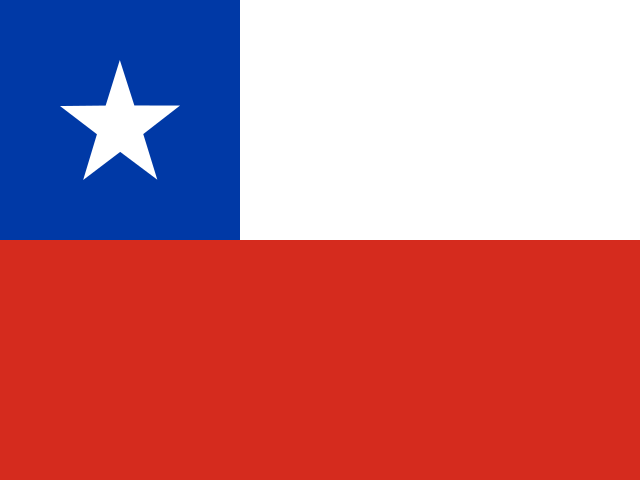
Chile
Chile’s energy policy has evolved dynamically in recent years. In response to changes in the domestic and international environment, significant institutional and policy reforms as well as major infrastructure projects have been carried out. In 2022, Chile’s Ministry of Energy published an update to its the Long-Term Energy Policy (PELP, first published in 2015), which re-emphasises the pledge to net-zero, laying out a clear decarbonisation pathway that addresses all sectors of the national economy.
Based on its excellent renewable energy resources, Chile has taken a globally leading role in clean energy, and emerged as a…- Overview
- Energy mix
- Emissions
- Electricity
-
+ 5 pages
![Chile Flag]()
-
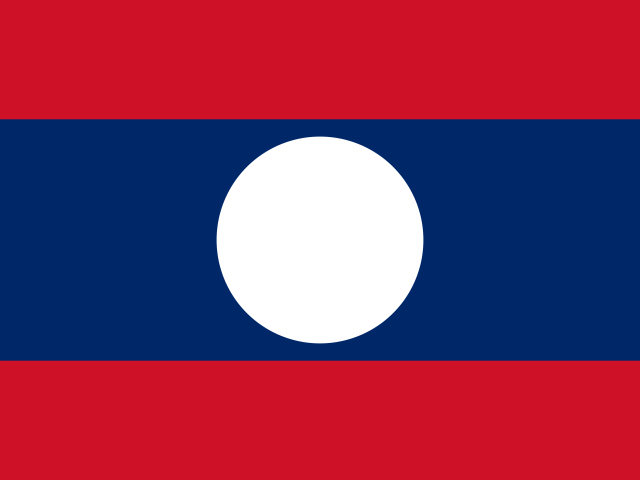
Laos
Laos’ 2011 Renewable Energy Development Strategy aims to achieve a renewable energy share of 30% in total energy consumption by 2025. The policy encourages investment in renewables and small power development for self-sufficiency and grid connection.
- Overview
- Energy mix
- Emissions
- Electricity
-
+ 5 pages

![Laos Flag]()
-
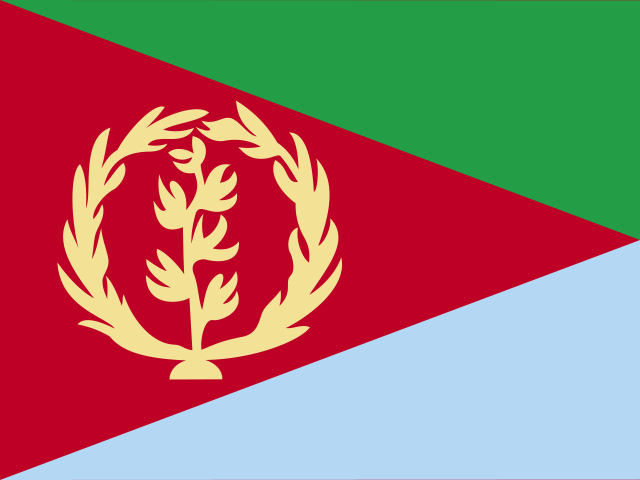
Eritrea
Less than half of the population of Eritrea has access to electricity. Most of the country's electricity generation comes from imported oil.
- Overview
- Energy mix
- Emissions
- Electricity
-
+ 5 pages
![Eritrea Flag]()
-
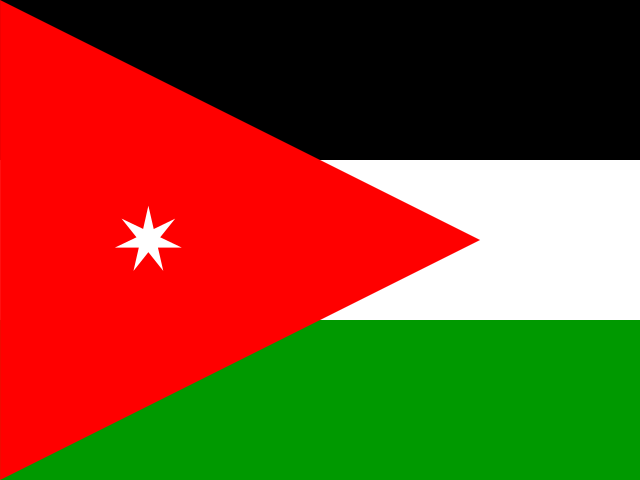
Jordan
The government of Jordan targets 10% of energy mix to come from renewables by 2020. The country has set up a fund, as well as duties and taxes exemptions on all manufactured locally and imported renewable energy sources equipment and systems.
- Overview
- Energy mix
- Emissions
- Electricity
-
+ 5 pages

![Jordan Flag]()
-
Dominican Republic
Dominican Republic has adopted a law on incentives for the development of renewable energy sources, which aims to increase the diversity of energy sources, reduce dependence on imported fossil fuels and stimulate investment in renewable energy.
- Overview
- Energy mix
- Emissions
- Electricity
-
+ 5 pages
![Dominican Republic Flag]()