-
Thailand
Thailand’s energy policy focuses on reducing dependence on natural gas to enhance energy security. With the costs reduction of variable renewable energy, conventional Thai power generation starts giving way to alternative sources. The country’s energy policy must evolve to accommodate this change.
- Overview
- Energy mix
- Emissions
- Electricity
-
+ 5 pages

![Thailand Flag]()
-
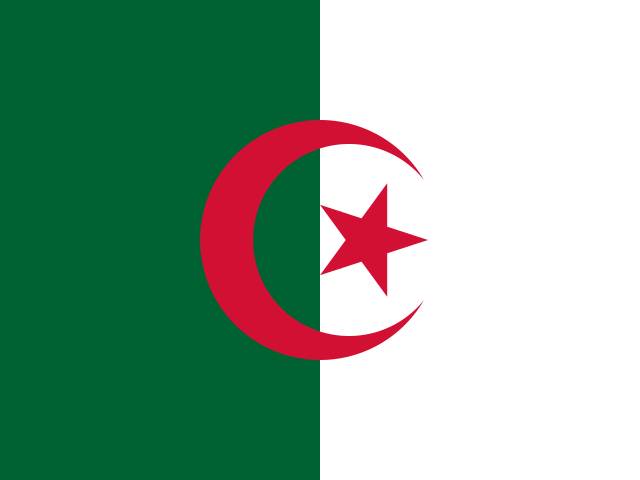
Algeria
Algeria is a large oil and gas producer and exporter. In 2015, the country updated its Renewable Energy and Energy Efficiency Development Plan to 2030, and put greater focus on the deployment of large-scale renewables, including solar PV and onshore wind installations, through various incentive measures.
- Overview
- Energy mix
- Emissions
- Electricity
-
+ 5 pages

![Algeria Flag]()
-
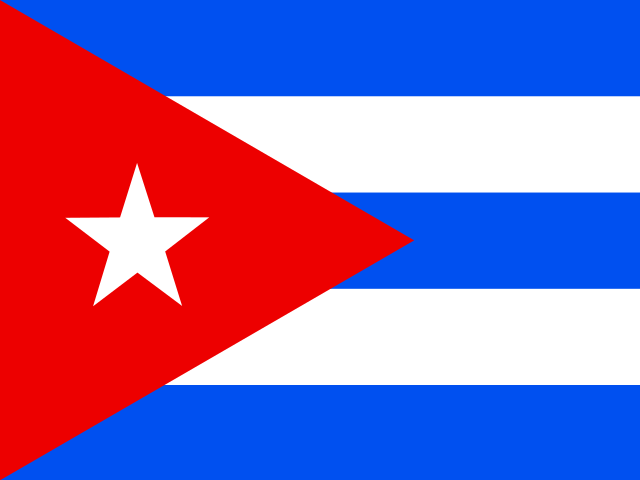
Cuba
Cuba’s energy supply mainly comes from oil products, accounting for over 80% of power generation.
- Overview
- Energy mix
- Emissions
- Electricity
-
+ 5 pages

![Cuba Flag]()
-
Georgia
Georgia has developed an energy sector based largely on hydropower and fuelwood, in addition to imports of fossil fuels. It is also an important transit country for the region, with major oil and gas pipelines running across Georgian territory. Efforts are required to improve energy efficiency and capitalise on the country’s renewable energy potential.
Georgia has made solid progress in the past decade, both in improving the security of its energy supply and in transitioning to a cleaner, more sustainable energy system. Although Georgia is still confronted with many challenges in its transition to a more secure, sustainable and…- Overview
- Energy mix
- Emissions
- Electricity
-
+ 5 pages

![Georgia Flag]()
-
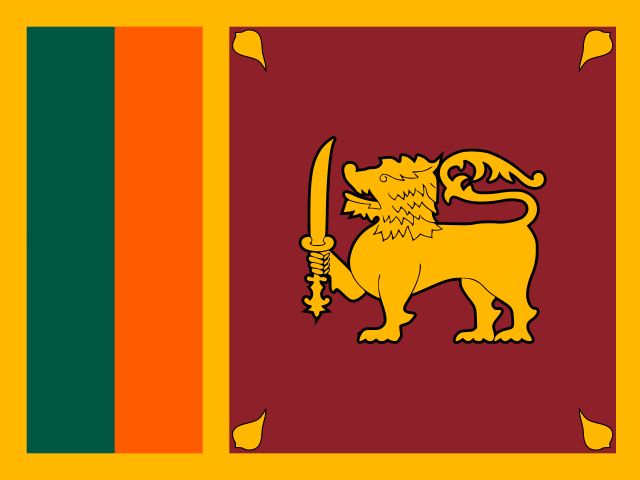
Sri Lanka
Sri Lanka’s primary energy supply mainly comes from oil and coal. Almost 40% of Sri Lanka’s electricity came from hydropower in 2017 but coal’s shares in power generation has been increasing since 2010. Sri Lanka is reaching universal access to electricity but clean cooking remain an issue with 15 million people still relying on biomass to cook.
- Overview
- Energy mix
- Emissions
- Electricity
-
+ 5 pages
![Sri Lanka Flag]()
-
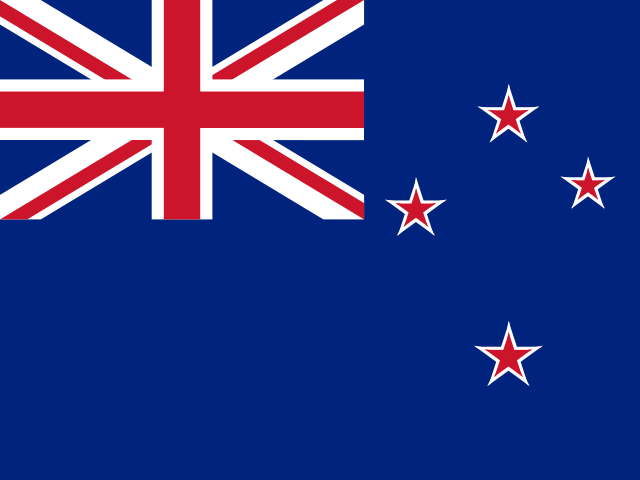
New Zealand
New Zealand has a diversified energy mix, with significant production of both hydropower and geothermal. As the country embarks on an ambitious energy transition, it has many natural advantages, including a strong renewable resource base. New Zealand already has a low-emissions electricity system, with over 80% of electricity coming from renewable sources. The key challenge will be to decarbonise other end-use sectors through clean power and support investments in new technologies to achieve deeper emissions cuts across all sectors. Notably, the transport sector accounts for the highest share of emissions and is almost entirely dependent on oil while…
- Overview
- Energy mix
- Emissions
- Electricity
-
+ 5 pages
![New Zealand Flag]()
-
Norway
Norway has set ambitious targets for reducing greenhouse gas emissions and establishing a low-emissions society by 2050. As an energy-rich country, Norway is in a unique starting position with respect to the energy transition. An abundance of affordable hydropower has enabled the development of energy-intensive industries and a high level of electrification of homes and businesses with limited greenhouse gas emissions. At the same time, as a major oil and gas producer and exporter, Norway will need to support an evolution of its energy sector amid the global energy transition. Altogether, Norway has the opportunity to lead…
- Overview
- Energy mix
- Emissions
- Electricity
-
+ 5 pages

![Norway Flag]()
-
The Netherlands
The Netherlands aims to achieve net zero carbon emissions by 2050, and numerous measures have been introduced to support achievement of this goal. A competitive auctions process awards subsidies to renewables, hydrogen and carbon capture, based on avoided CO2 emissions. An offshore wind roadmap is driving rapid deployment and aims for 11.5 GW of capacity by 2030, while strong innovation programmes support deployment of key decarbonisation technologies. Electricity from solar has experienced an impressive growth, with the Netherlands ranking among the top countries in the world for installed PV capacity per capita. The Netherlands will need to closely monitor…
- Overview
- Energy mix
- Emissions
- Electricity
-
+ 5 pages
![The Netherlands Flag]()
-
Ireland
Ireland put in place an ambitious and comprehensive set of policies and targets to reach net zero by 2050 and 80% of renewable electricity generation by 2030, but now their implementation needs to accelerate. Natural gas will remain an important part of the energy mix at least until the mid-2030s, especially to meet peak electricity demand, but offshore renewable energy will become the cornerstone of Ireland’s energy transition beyond 2030. Given Ireland’s current exclusive reliance on energy imports from the United Kingdom, energy security is a major concern to the government while transitioning to a (variable) renewables…
- Overview
- Energy mix
- Emissions
- Electricity
-
+ 5 pages
![Ireland Flag]()
-
United Kingdom
The United Kingdom has been an early player in the energy transition, being among the first countries to set a net zero target by 2050 and to put in place carbon budgets. UK emissions have already fallen by around 50% since 1990, indicating a strong start. Looking ahead, an important pillar of the energy transition will be decarbonising the power sector through sizeable new investments in renewables and nuclear while also focusing on new technologies such as CCUS, hydrogen and small modular reactors. As a historic oil and gas producer, the UK is looking to address declining North Sea production…
- Overview
- Energy mix
- Emissions
- Electricity
-
+ 5 pages
![United Kingdom Flag]()