-
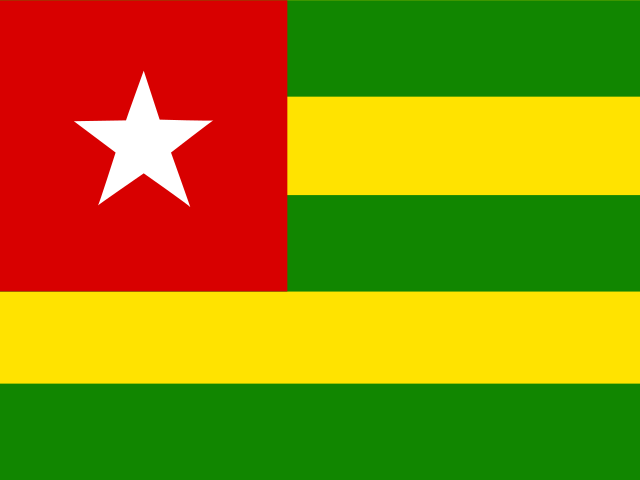
Togo
Less than half of the Togolese population has access to electricity. The country has a relatively diversified energy mix and more than 13% of its final energy consumption comes from renewable supplies of energy, mainly hydropower.
- Overview
- Energy mix
- Emissions
- Electricity
-
+ 5 pages

![Togo Flag]()
-
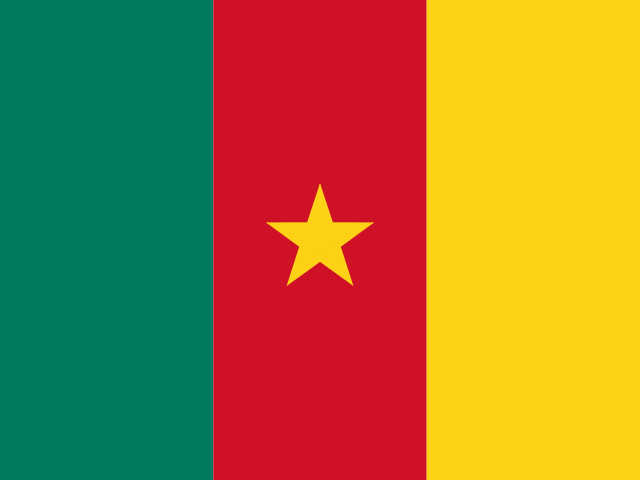
Cameroon
Electrification rates are relatively high in Cameroon compared to the Central African region: 54% of the population has access to electricity, while consumption remains low. The country produced 70 kb/d of oil in 2013, but production is gradually declining.
- Overview
- Energy mix
- Emissions
- Electricity
-
+ 5 pages
![Cameroon Flag]()
-
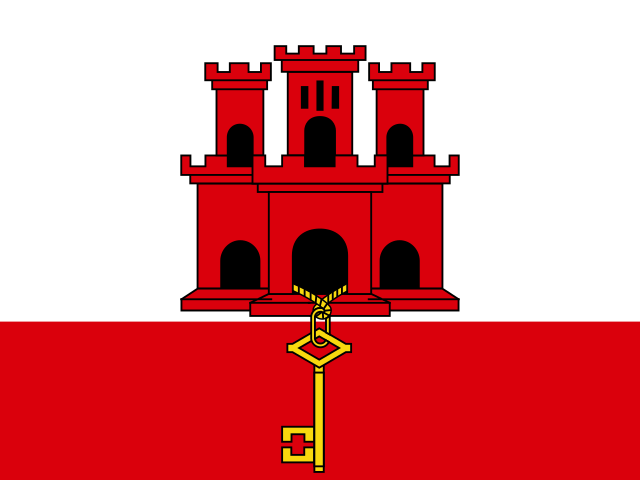
Gibraltar
Gibraltar
- Overview
- Energy mix
- Emissions
- Electricity
-
+ 5 pages

![Gibraltar Flag]()
-
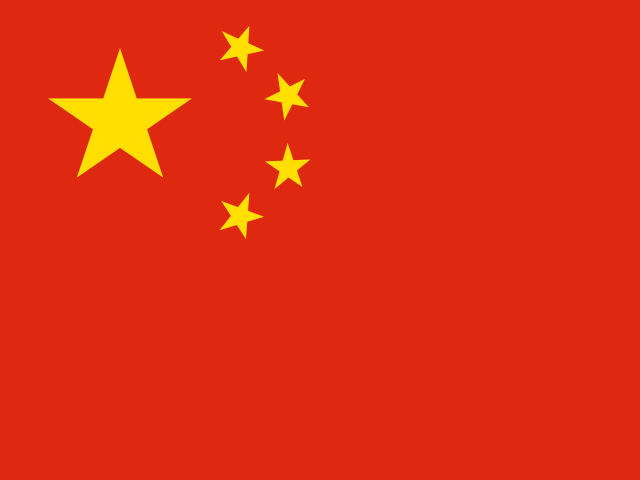
China
China’s growing energy needs are increasingly met by renewables, natural gas and electricity. The scale of China’s future electricity demand and the challenge of decarbonising the power supply help explain why global investment in electricity overtook that of oil and gas for the first time in 2016, and why electricity security is moving firmly up the policy agenda. That said, cost reductions for renewables are not sufficient on their own to secure efficient decarbonisation or reliable supply.
Between 2019 and 2024, China will account for 40% of global renewable capacity expansion, driven by improved system integration, lower curtailment…- Overview
- Energy mix
- Emissions
- Electricity
-
+ 5 pages

![China Flag]()
-
Pakistan
In Pakistan, most of the primary energy supply comes from oil and natural gas. Hydropower is the main renewable source of energy in the country but wind and solar PV’s shares are slowly growing. More than 40 million people remain without access to electricity and half the population lack access to clean cooking facilities.
- Overview
- Energy mix
- Emissions
- Electricity
-
+ 5 pages
![Pakistan Flag]()
-
Bangladesh
In Bangladesh, electricity is available for 85% of the population, up from 20% in 2000. Gas accounts for the majority of the country’s electricity production, even though wind, hydropower and solar PV shares are growing. Bangladesh has also implemented energy policy incentives towards the deployment of renewables.
- Overview
- Energy mix
- Emissions
- Electricity
-
+ 5 pages
![Bangladesh Flag]()
-
Nepal
Almost the totality of the electricity generated in Nepal comes from hydropower. Most of the energy supply is from biofuels and waste as 21 million people still rely on traditional biomass for cooking. In 2000, 81% did not have access to electricity but with remarkable efforts from the government, only 6% of the population remain without access today.
- Overview
- Energy mix
- Emissions
- Electricity
-
+ 5 pages
![Nepal Flag]()
-
Equatorial Guinea
Electrification rates are relatively high in Equatorial Guinea at 66%. The country began oil production in the late 1990s and began LNG exports in 2007.
- Overview
- Energy mix
- Emissions
- Electricity
-
+ 5 pages
![Equatorial Guinea Flag]()
-
Portugal
Portugal is supporting decarbonisation through a wide variety of measures, such as, coal-fired generation was phased out in 2021. Portugal is further developing its large hydropower fleet, including additional capacity of pumped hydro storage. Portugal is an international leader for integration of wind generation, and auctions are driving rapid deployment of PV and battery storage. Portugal is pushing for better electricity interconnections with the rest of Europe. Portugal’s National Energy and Climate Plan sets 2030 targets for emissions reductions, energy efficiency and renewable energy that aim to put the country a path to achieving cost effective carbon neutrality…
- Overview
- Energy mix
- Emissions
- Electricity
-
+ 5 pages
![Portugal Flag]()
-
Albania
Albania’s Ministry of Energy recently launched an auction round for the construction of the country’s first large-scale solar plant. The country also has a National Strategy of Energy, which aims to develop an effective energy sector that guarantees security of energy supply and efficient use of energy.
- Overview
- Energy mix
- Emissions
- Electricity
-
+ 5 pages
![Albania Flag]()