-
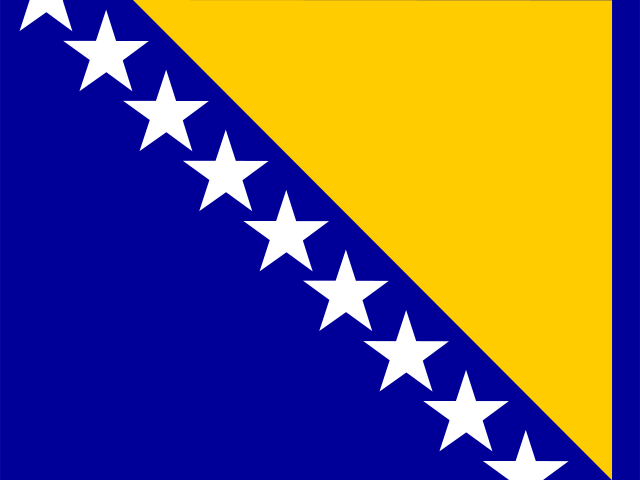
Bosnia and Herzegovina
Bosnia and Herzegovina adopted a National Environmental Action Plan, which provides action path to address the major environmental issues of the country. In the energy sector the target will be achieved by increasing energy efficiency and usage of renewables (hydro, solar, wind and geothermal energy).
- Overview
- Energy mix
- Emissions
- Electricity
-
+ 5 pages

![Bosnia and Herzegovina Flag]()
-
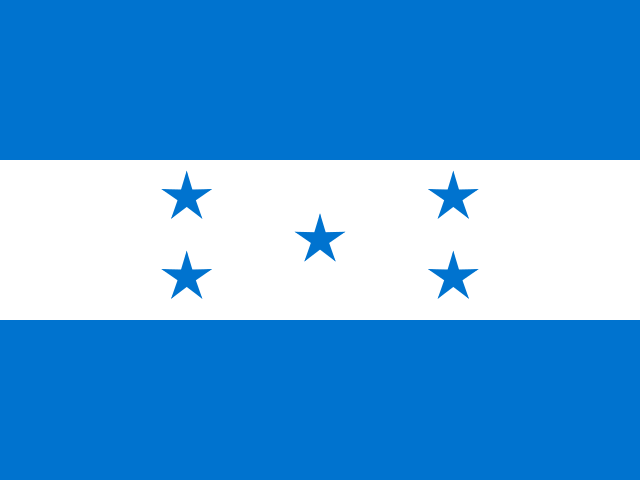
Honduras
In 2014, Honduras approved a new Law of Electrical Industry, which establishes technology-specific auctions for renewable energy. 75% of the population has access to electricity in the country and only 48% can rely on clean cooking facilities.
- Overview
- Energy mix
- Emissions
- Electricity
-
+ 5 pages

![Honduras Flag]()
-
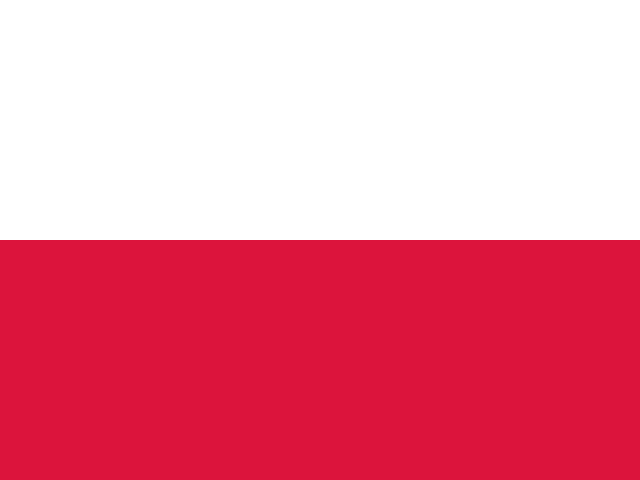
Poland
Poland’s energy system has seen progress on energy transition, despite its reliance on domestic hard coal and lignite. For example, Poland has one of the fastest growing solar PV markets in the European Union and has also seen a strong uptake of heat pumps. Poland is pushing to become a major player in offshore wind, aiming for at least 3.4 GW of capacity by 2030. However, stronger efforts are needed across all sectors to accelerate energy transition and Poland would benefit from greater electricity interconnections with the rest of Europe.
- Overview
- Energy mix
- Emissions
- Electricity
-
+ 5 pages
![Poland Flag]()
-
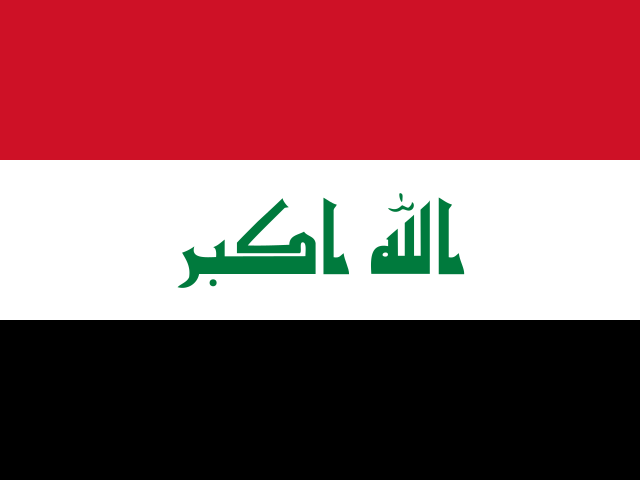
Iraq
Iraq holds abundant oil and gas resources and has strong solar PV potential. Its production to 2030 is set to be third largest contributor to global oil supply. By the same year, the government expects that renewable capacity will amount for 5% of the country’s total system capacity.
- Overview
- Energy mix
- Emissions
- Electricity
-
+ 5 pages

![Iraq Flag]()
-
Belgium
Belgium’s energy policy is focused on transitioning to a low-carbon economy while ensuring energy security, lowering costs for consumers and increasing market competition. Belgium has made progress on these goals, notably as a global leader in offshore wind. The country is also seeing a rapid uptake of electric vehicles. However, Belgium remains reliant on fossil fuels and more aggressive policies are needed accelerate emissions reductions, especially for the industry sector.
- Overview
- Energy mix
- Emissions
- Electricity
-
+ 5 pages
![Belgium Flag]()
-
Haiti
Haiti
- Overview
- Energy mix
- Emissions
- Electricity
-
+ 5 pages
![Haiti Flag]()
-
Bulgaria
Bulgaria adopted The Energy from Renewable Sources Act in 2011. The Act regulates the generation and consumption of energy from renewable sources with the aim of achieving the national targets in terms of renewable energy use in final gross energy consumption.
- Overview
- Energy mix
- Emissions
- Electricity
-
+ 5 pages
![Bulgaria Flag]()
-
Canada
Canada has set an ambitious target to cut greenhouse gas emissions by 40-45% from 2005 levels by 2030 and to reach net zero emissions by 2050. Canada’s energy and economic profile presents both challenges and opportunities to achieving these targets given its profile as a major producer, consumer and exporter of energy. Energy production and use in Canada accounts for over 80% of the country’s GHG emissions, with oil and gas production alone accounting for around a quarter. Canada’s electricity system is already among the cleanest in the world, with heavy dominance of hydropower as well…
- Overview
- Energy mix
- Emissions
- Electricity
-
+ 5 pages

![Canada Flag]()
-
Belarus
Energy policy in Belarus focuses on providing reliable energy while reducing import–dependence, particularly on natural gas from a single supplier. The government is contemplating attractive investment measures and fuel diversification to reduce natural gas consumption and include more coal and renewables into the country's energy mix, while developing local energy sources and introducing nuclear power.
Belarus has also prioritized improving energy efficiency in electricity and heat production and is phasing out subsidies for electricity, heat and gas, which is expected to make the energy sector more market-focused and investor-friendly. Belarus is part of the EU4Energy Programme…- Overview
- Energy mix
- Emissions
- Electricity
-
+ 5 pages
![Belarus Flag]()
-
Thailand
Thailand’s energy policy focuses on reducing dependence on natural gas to enhance energy security. With the costs reduction of variable renewable energy, conventional Thai power generation starts giving way to alternative sources. The country’s energy policy must evolve to accommodate this change.
- Overview
- Energy mix
- Emissions
- Electricity
-
+ 5 pages

![Thailand Flag]()