-
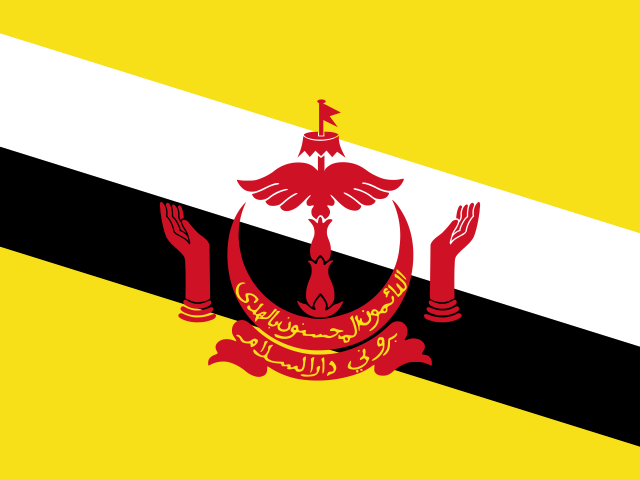
Brunei Darussalam
In 2014, Brunei adopted a strategic plan to achieve 10% share of renewables in the national energy mix by 2035. The plan provides the outline to introduce renewable energy policy and regulatory frameworks and to scale-up market deployment of solar PV.
- Overview
- Energy mix
- Emissions
- Electricity
-
+ 5 pages

![Brunei Darussalam Flag]()
-
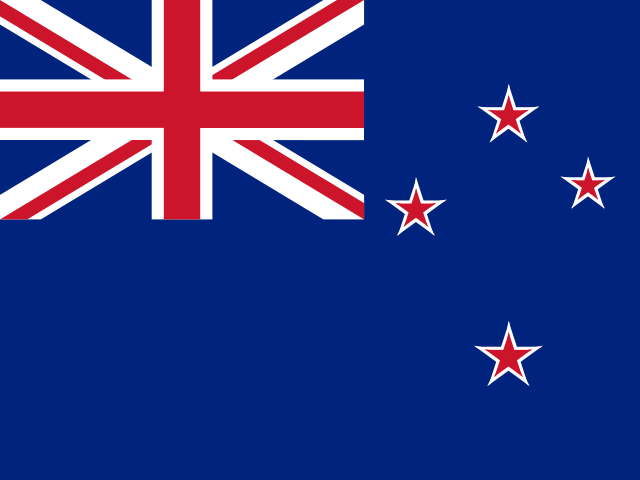
New Zealand
New Zealand has a diversified energy mix, with significant production of both hydropower and geothermal. As the country embarks on an ambitious energy transition, it has many natural advantages, including a strong renewable resource base. New Zealand already has a low-emissions electricity system, with over 80% of electricity coming from renewable sources. The key challenge will be to decarbonise other end-use sectors through clean power and support investments in new technologies to achieve deeper emissions cuts across all sectors. Notably, the transport sector accounts for the highest share of emissions and is almost entirely dependent on oil while…
- Overview
- Energy mix
- Emissions
- Electricity
-
+ 5 pages
![New Zealand Flag]()
-
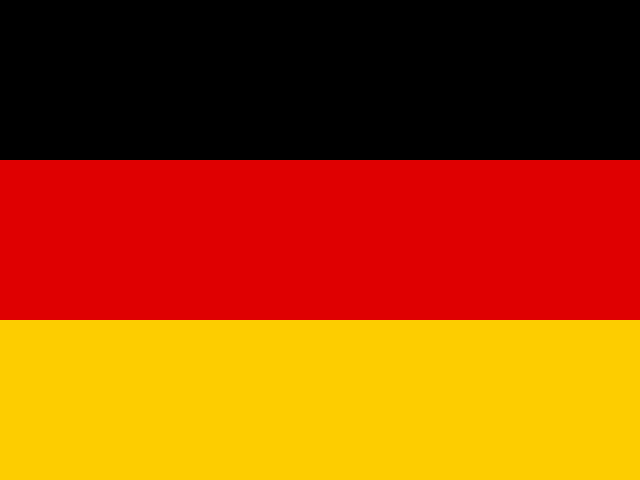
Germany
Germany’s Climate Law sets out the framework for reaching net zero emissions by 2045. In order to achieve the ambitious Energiewende by 2030, 80% of all electricity supply will need to come from renewable energy sources (and 100% by 2035) and coal is to be completely phased out. Germany has been an early leader in offshore wind and solar PV and phased out nuclear power in 2023. Major legislative reforms in renewable energy planning and siting support targets of 100-110 GW of onshore wind, 30 GW offshore wind and 200 GW solar, alongside investments in 10 GW of…
- Overview
- Energy mix
- Emissions
- Electricity
-
+ 5 pages

![Germany Flag]()
-
Spain
Spain is at the forefront of the energy transition due to its energy and climate change policies. The current Spanish framework for energy and climate is based on the 2050 objectives of national climate neutrality, 100% renewable energy in the electricity mix and 97% renewable energy in the total energy mix. As such, it is centred on the massive development of renewable energy, particularly solar, wind and renewable hydrogen, increasing energy efficiency and improving electrification. This is an opportunity for the country to not only stimulate the economy and by creating jobs through the modernisation of industry, but also to…
- Overview
- Energy mix
- Emissions
- Electricity
-
+ 5 pages
![Spain Flag]()
-
Croatia
Croatia's National Energy Strategy 2009-2020 has three basic objectives: increase security of energy supply, develop competitive energy system and ensure sustainable energy sector development. These objectives are particularly important for the country, as it is heavily dependent on energy imports, resulting in its vulnerability to energy prices fluctuations.
- Overview
- Energy mix
- Emissions
- Electricity
-
+ 5 pages
![Croatia Flag]()
-
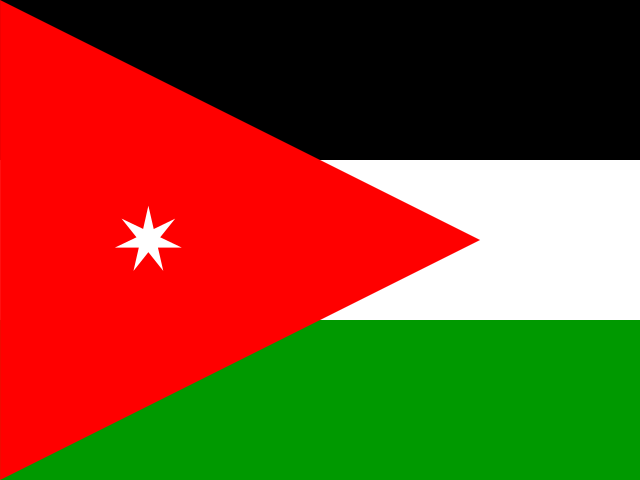
Jordan
The government of Jordan targets 10% of energy mix to come from renewables by 2020. The country has set up a fund, as well as duties and taxes exemptions on all manufactured locally and imported renewable energy sources equipment and systems.
- Overview
- Energy mix
- Emissions
- Electricity
-
+ 5 pages

![Jordan Flag]()
-
Slovak Republic
The key objectives of the Slovak energy policy agenda are: increasing efficiency in the power and end‐use sectors, reducing energy intensity, reducing dependence on energy imports, expanding the use of nuclear power, increasing the share of renewables in the heat and electricity sectors, and supporting the use of alternative fuels for transport. With these sound objectives in place, the government should now focus on the cost‐effective implementation of concrete actions. Mining of coal for electricity production ended in 2023 and an additional nuclear unit was commissioned. The country remains dependent on energy imports from Russia, making energy security…
- Overview
- Energy mix
- Emissions
- Electricity
-
+ 5 pages
![Slovak Republic Flag]()
-
Finland
Finland has one of the most ambitious climate targets, a legal obligation to reach carbon neutrality by 2035. It is making progress towards this target and has one of the lowest levels of reliance on fossil fuels among IEA member countries. Finland’s forests, which historically offset significant greenhouse gas emissions, have become a net emissions source. A continued push towards the energy transition is needed, as imported fossil fuels still account for over one-third of energy supply and cover higher shares in transport and key industries.
- Overview
- Energy mix
- Emissions
- Electricity
-
+ 5 pages
![Finland Flag]()
-
Suriname
The Intended Nationally Determined Contribution of Suriname to the Paris Agreement included commitments to improve sustainable forest management with the goal of enhancing the country's carbon sink potential, but no targets in terms of absolute or relative GHG emissions by 2030.
- Overview
- Energy mix
- Emissions
- Electricity
-
+ 5 pages

![Suriname Flag]()
-
Austria
Austria is committed to reaching climate neutrality by 2040. Over three quarter of electricity generation already comes from renewables, with a target of achieving a 100% renewable electricity supply by 2030 (national balance). This requires investments to make networks more resilient and flexible, optimise demand side management, and updating the legal and regulatory framework to allow more consumer participation. Buildings and transport account for around half of total emissions . To progress the transition in these sectors, the government supports building renovation, switching from fossil fuels to sustainable heating systems, the electrification of transport and invests in public transport infrastructure.
- Overview
- Energy mix
- Emissions
- Electricity
-
+ 5 pages
![Austria Flag]()