-
Gabon
Almost two-thirds of the population of Gabon has access to electricity. The country can partially rely on its 150 thousand barrels per day hydrocarbon liquids production and has recently implemented a new petroleum legislation.
- Overview
- Energy mix
- Emissions
- Electricity
-
+ 5 pages

![Gabon Flag]()
-
Jordan
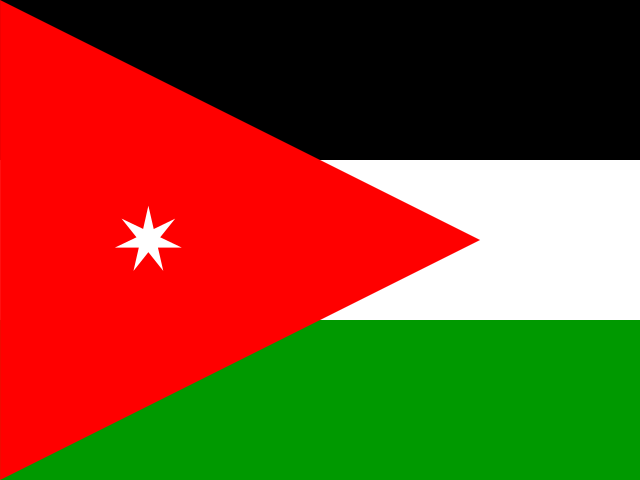
The government of Jordan targets 10% of energy mix to come from renewables by 2020. The country has set up a fund, as well as duties and taxes exemptions on all manufactured locally and imported renewable energy sources equipment and systems.
- Overview
- Energy mix
- Emissions
- Electricity
-
+ 5 pages

![Jordan Flag]()
-
Egypt
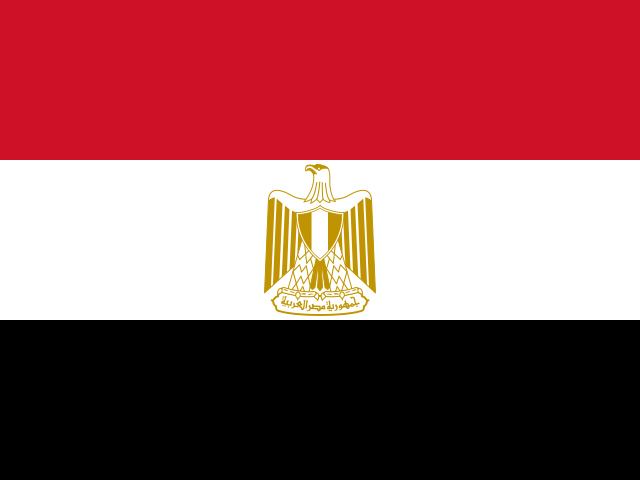
Egypt has initiated a number of energy sector reforms, gradually reducing electricity subsidies and introducing feed-in tariffs to promote renewable energy production. The energy sector reforms recently initiated by the country have resulted in a significant increase in investments which have boosted electricity production over the last 5 years and ensured a stable supply across the country.
Egypt also has plans to increase the share of renewables in the electricity mix to 42% by 2035.- Overview
- Energy mix
- Emissions
- Electricity
-
+ 5 pages
![Egypt Flag]()
-
Morocco
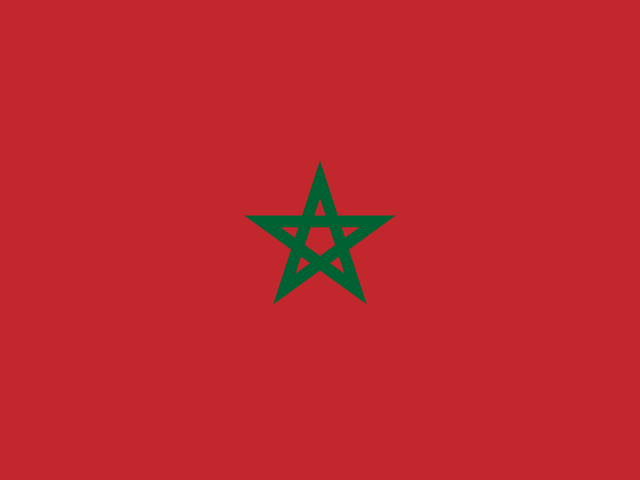
…demand. Morocco has only renewable energy targets for electricity. With a view to meet SDG 7, which seeks a substantial increase in the share of renewable energy in the global energy mix (measured in TFC) by 2030, the government is encouraged to set targets for the use of modern renewables in residential and transport. This will strongly promote the reduction of fossil fuel use across the economy. As Morocco continues to rely on coal, oil, and gas imports for most of its energy needs, opportunities abound to reduce imports by developing domestic energy resources to reduce oil and coal use.
- Overview
- Energy mix
- Emissions
- Electricity
-
+ 5 pages
![Morocco Flag]()
-
Croatia
Croatia's National Energy Strategy 2009-2020 has three basic objectives: increase security of energy supply, develop competitive energy system and ensure sustainable energy sector development. These objectives are particularly important for the country, as it is heavily dependent on energy imports, resulting in its vulnerability to energy prices fluctuations.
- Overview
- Energy mix
- Emissions
- Electricity
-
+ 5 pages

![Croatia Flag]()
-
India
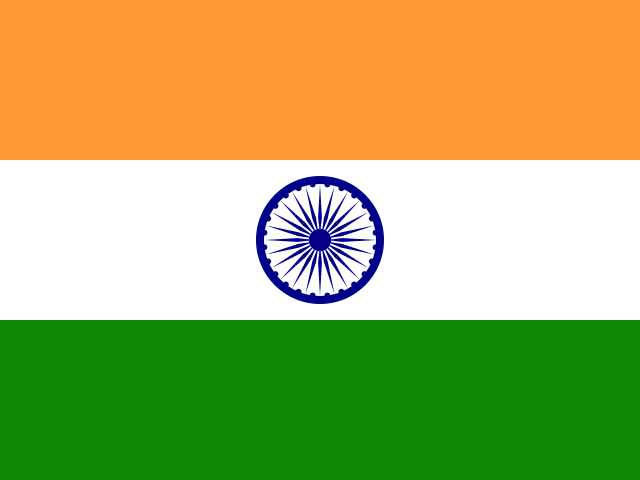
Energy demand in India is growing rapidly with major implications for the global energy market. The Government of India has made remarkable progress in providing access to electricity and clean cooking while implementing a range of energy market reforms and integrating a high share of renewable energy sources into the grid. India, with a population of 1.36 billion and a fast growing economy, has seen its energy demand increasing rapidly as the country continues to urbanize and the manufacturing sector develops. This growing demand is met through various energy sources, with coal set to remain the largest source of…
- Overview
- Energy mix
- Emissions
- Electricity
-
+ 5 pages

![India Flag]()
-
Libya
In 2013, the Libyan government launched the Renewable Energy Strategic 2013-2025 Plan, which aims to achieve 7% renewable energy contribution to the electric energy mix by 2020 and 10% by 2025. This will come from wind, Concentrated Solar Power, solar PV and solar heat.
- Overview
- Energy mix
- Emissions
- Electricity
-
+ 5 pages
![Libya Flag]()
-
Malta
The National energy policy of Malta was launched in December 2012. It lists decisions and actions that have already been implemented as well as measures aiming to ensure the sustainability of Malta's energy sector.
- Overview
- Energy mix
- Emissions
- Electricity
-
+ 5 pages
![Malta Flag]()
-
Cameroon
Electrification rates are relatively high in Cameroon compared to the Central African region: 54% of the population has access to electricity, while consumption remains low. The country produced 70 kb/d of oil in 2013, but production is gradually declining.
- Overview
- Energy mix
- Emissions
- Electricity
-
+ 5 pages
![Cameroon Flag]()
-
Moldova
Moldova is almost fully dependent on fossil fuel and electricity imports, with natural gas serving most of its energy needs. The government plans to diversify the energy mix with renewables such as wind and solar. Moldova is part of the EU4Energy Programme, which focuses on improving evidence-based policy making for the energy sector.
- Overview
- Energy mix
- Emissions
- Electricity
-
+ 5 pages
![Moldova Flag]()