-
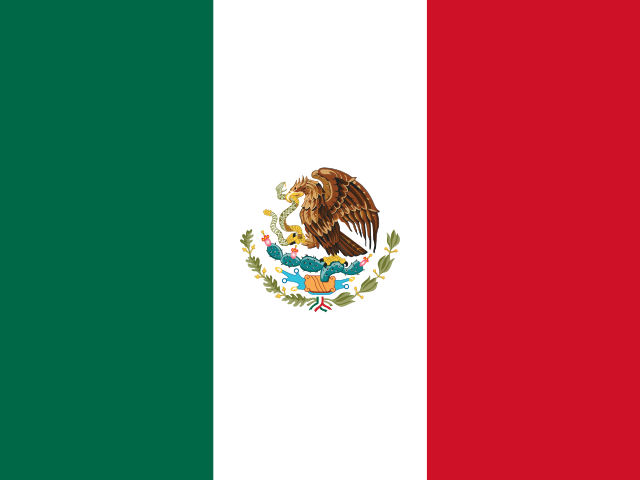
Mexico
Mexico’s energy and economic profile presents both challenges and opportunities as a major oil producer, exporter and through its growing domestic energy demand. Mexico was the first large oil producing emerging economy to adopt climate legislation in 2012 and has seen growth in renewable electricity generation from wind and solar, which almost tripled from 2015 to 2022. However, strong action is needed across all sectors to reduce reliance on fossil fuels and bring down greenhouse gas emissions.
- Overview
- Energy mix
- Emissions
- Electricity
-
+ 5 pages

![Mexico Flag]()
-
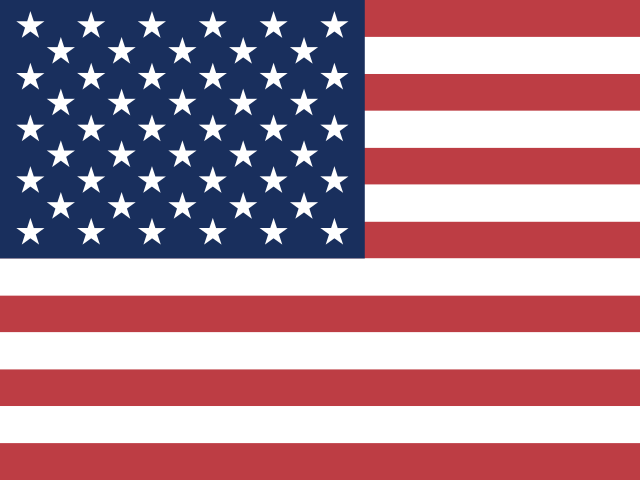
United States
The United States introduced major energy and climate policy reforms which put the country on a path towards a clean, secure and affordable energy system for a net zero economy. The reforms aim to strengthen infrastructure deployment and resilience, include a major focus on clean energy manufacturing, improving diverse supply chains and affordability, enhancing equity and the creation of high-quality clean energy jobs.
The US plays a significant role in supporting international energy security as the world’s largest producer of oil and exporter of liquified natural gas. A wave of clean energy investment means the US is today…- Overview
- Energy mix
- Emissions
- Electricity
-
+ 5 pages
![United States Flag]()
-
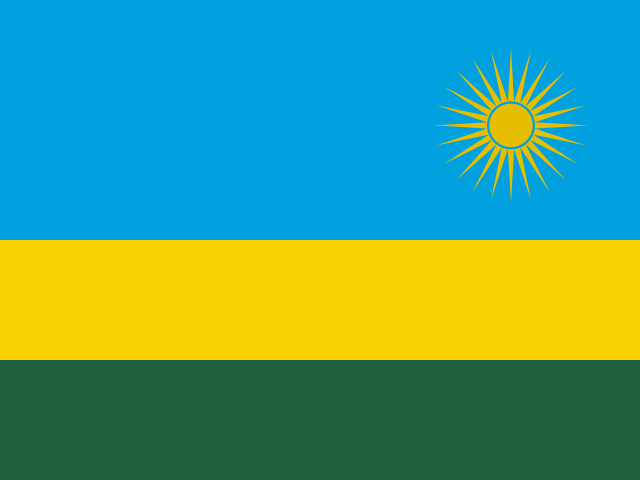
Rwanda
Rwanda included strong commitments to its intended nationally determined contribution (INDC) to the Paris Agreement. The country plans to increase its carbon sink capacity through sustainable forest management practices and to reduce emissions from the agricultural sector. In 2019, Rwanda’s energy mix was dominated by biomass and waste (74%) and oil products (20%), while natural gas, coal and hydro account for the rest of the energy supply. In 2020, less than 5% of the population had access to clean cooking and 50% had access to electricity. With annual access growth of more than 3 percentage points, Rwanda has shown…
- Overview
- Energy mix
- Emissions
- Electricity
-
+ 5 pages

![Rwanda Flag]()
-
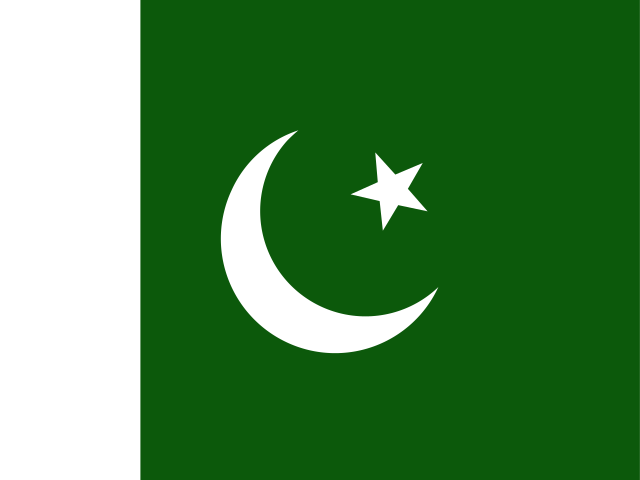
Pakistan
In Pakistan, most of the primary energy supply comes from oil and natural gas. Hydropower is the main renewable source of energy in the country but wind and solar PV’s shares are slowly growing. More than 40 million people remain without access to electricity and half the population lack access to clean cooking facilities.
- Overview
- Energy mix
- Emissions
- Electricity
-
+ 5 pages

![Pakistan Flag]()
-
Libya
In 2013, the Libyan government launched the Renewable Energy Strategic 2013-2025 Plan, which aims to achieve 7% renewable energy contribution to the electric energy mix by 2020 and 10% by 2025. This will come from wind, Concentrated Solar Power, solar PV and solar heat.
- Overview
- Energy mix
- Emissions
- Electricity
-
+ 5 pages
![Libya Flag]()
-
Jamaica
The government of Jamaica adopted a national Energy Policy in 2010 , which establishes a goal of 20% of renewable energy in the energy mix by 2030. This Strategic Framework also addresses both the supply and demand energy issues that the country faces.
- Overview
- Energy mix
- Emissions
- Electricity
-
+ 5 pages

![Jamaica Flag]()
-
Chile
Chile’s energy policy has evolved dynamically in recent years. In response to changes in the domestic and international environment, significant institutional and policy reforms as well as major infrastructure projects have been carried out. In 2022, Chile’s Ministry of Energy published an update to its the Long-Term Energy Policy (PELP, first published in 2015), which re-emphasises the pledge to net-zero, laying out a clear decarbonisation pathway that addresses all sectors of the national economy.
Based on its excellent renewable energy resources, Chile has taken a globally leading role in clean energy, and emerged as a…- Overview
- Energy mix
- Emissions
- Electricity
-
+ 5 pages
![Chile Flag]()
-
Congo
In Congo, 3 out of 5 people do not have access to electricity. As a country with a very low population density, Congo faces particularly severe challenges in bringing energy of any kind to its rural communities.
- Overview
- Energy mix
- Emissions
- Electricity
-
+ 5 pages
![Congo Flag]()
-
Mauritius
The energy mix in Mauritius is dominated by coal and oil. Almost 10% of the country's final energy consumption is generated by modern renewable sources of energy – a share that has gradually decreased for the past 20 years.
- Overview
- Energy mix
- Emissions
- Electricity
-
+ 5 pages
![Mauritius Flag]()
-
Burkina Faso
In 2019, Burkina Faso’s energy mix was dominated by biofuels and wastes, with oil products accounting for one-third of the total energy supply. In 2020, 11% of the population had access to clean cooking and only 21% had access to electricity, making Burkina Faso one of the world’s least-electrified countries. For electricity, the country has a target of 95% access for urban areas and 50% for rural areas by 2030. For clean cooking, Burkina Faso has a universal access target for urban areas and 65% in rural areas by 2030. The target for LPG urban penetration…
- Overview
- Energy mix
- Emissions
- Electricity
-
+ 5 pages
![Burkina Faso Flag]()