-
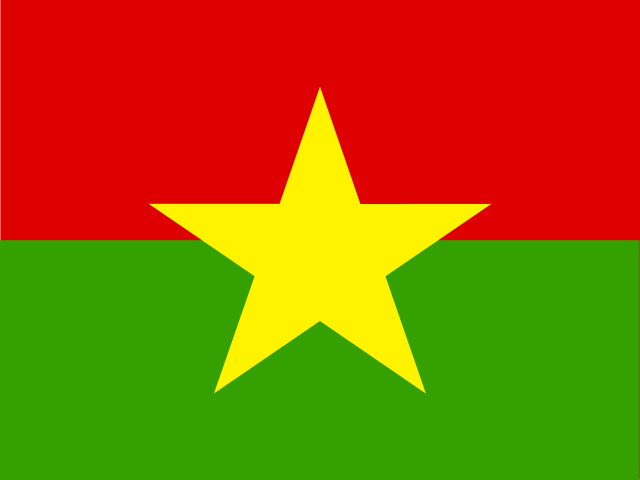
Burkina Faso
In 2019, Burkina Faso’s energy mix was dominated by biofuels and wastes, with oil products accounting for one-third of the total energy supply. In 2020, 11% of the population had access to clean cooking and only 21% had access to electricity, making Burkina Faso one of the world’s least-electrified countries. For electricity, the country has a target of 95% access for urban areas and 50% for rural areas by 2030. For clean cooking, Burkina Faso has a universal access target for urban areas and 65% in rural areas by 2030. The target for LPG urban penetration…
- Overview
- Energy mix
- Emissions
- Electricity
-
+ 5 pages

![Burkina Faso Flag]()
-
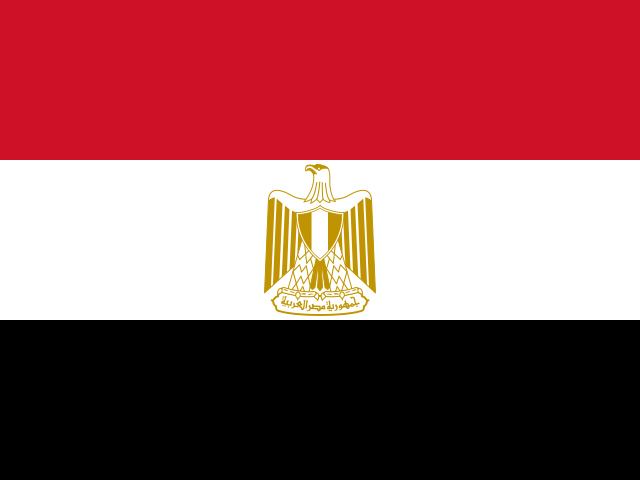
Egypt
Egypt has initiated a number of energy sector reforms, gradually reducing electricity subsidies and introducing feed-in tariffs to promote renewable energy production. The energy sector reforms recently initiated by the country have resulted in a significant increase in investments which have boosted electricity production over the last 5 years and ensured a stable supply across the country.
Egypt also has plans to increase the share of renewables in the electricity mix to 42% by 2035.- Overview
- Energy mix
- Emissions
- Electricity
-
+ 5 pages
![Egypt Flag]()
-
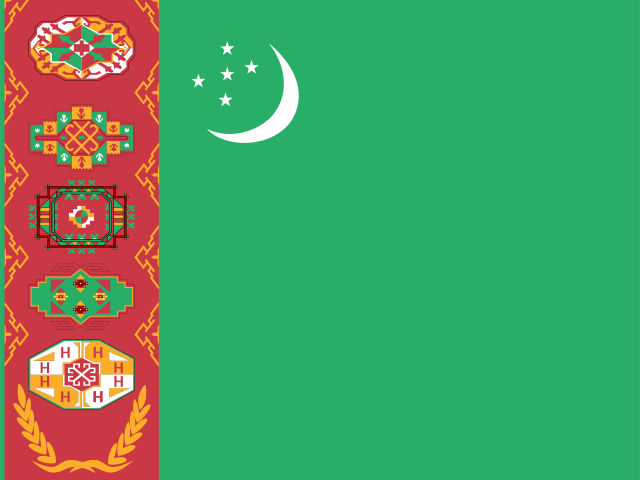
Turkmenistan
Turkmenistan’s government is continuously investing in oil and gas, to modernise and expand the electricity and heat sector by 2020. Moreover, the energy sector is almost fully subsidised, with citizens receiving free electricity, heat and gas up to a certain level of consumption, until 2030, but the government is taking steps to reduce subsidies to curb domestic demand and increase exports. Turkmenistan is part of the EU4Energy Programme, an initiative focused on evidence-based policymaking for the energy sector.
- Overview
- Energy mix
- Emissions
- Electricity
-
+ 5 pages

![Turkmenistan Flag]()
-
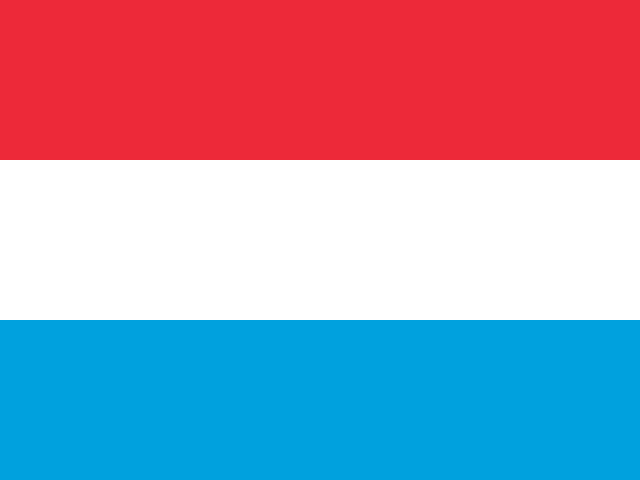
Luxembourg
Luxembourg has a fossil fuel intensive energy mix driven by a high demand for transportation fuels, notably from transiting freight trucks and commuters. Despite this demand, the country is committed to reducing emissions. Its climate law sets targets for a 55% emission reduction by 2030 and climate neutrality target by 2050. The government has adopted numerous measures to push for energy transition, including a carbon tax which was introduced in 2020 and encouraging renewable generation through subsidies and auctions. Several programmes also support energy efficiency in buildings, industry and transportation, with a target for 49% of all passenger cars to…
- Overview
- Energy mix
- Emissions
- Electricity
-
+ 5 pages

![Luxembourg Flag]()
-
Lithuania
Lithuania has undergone several energy transitions over the past decade. Despite importing a large share of its electricity, the country successfully ended its reliance on Russian energy imports in March 2022. Along with its neighbours, Estonia and Latvia, Lithuania disconnected from the Russian electricity system and completed the synchronisation of its grid with the Continental European Synchronous Area (CESA) in February 2025. By 2030, Lithuania aims to shift from being an electricity importer to becoming a net exporter. Although the country’s energy consumption still depends heavily on imported fossil fuels, the share of bioenergy in the domestic energy supply…
- Overview
- Energy mix
- Emissions
- Electricity
-
+ 5 pages
![Lithuania Flag]()
-
Ethiopia
In Ethiopia, while electricity reaches less than half of the population, great progress has been made over the past two decades. The National Electrification Program, launched in 2017, outlines a plan to reach universal access by 2025, aiming to supply 35% of the population with off-grid solutions. Meanwhile, Ethiopia is diversifying its hydro-dominated installed generation mix in favour of solar, wind and geothermal to pursue a more climate-resilient power system and reach economic development objectives.
- Overview
- Energy mix
- Emissions
- Electricity
-
+ 5 pages
![Ethiopia Flag]()
-
Benin
Benin is reliant on electricity imports for a significant share of its energy supply. Reform programmes, including plans for electrification, have been put in place in the country, where only 30% of the population had access to electricity in 2017.
- Overview
- Energy mix
- Emissions
- Electricity
-
+ 5 pages
![Benin Flag]()
-
Uganda
In 2019, Uganda’s energy mix was dominated by fuel wood and charcoal followed by a small share of oil products. The country produces electricity mainly from hydroelectric plants. Between 2017 and 2019, electrification outpaced population growth in Uganda. However in 2020, less than 5% of the population had access to clean cooking.
The Electricity Connection Policy was introduced in 2018 with the ambition of increasing Uganda’s electricity access to 60 percent by 2027 through connection subsidies for consumers located close to the existing network. About 300,000 households and businesses have received free electricity connections, benefiting 1.5…- Overview
- Energy mix
- Emissions
- Electricity
-
+ 5 pages
![Uganda Flag]()
-
Niger
Access to electricity remains a challenge in Niger and the country is reliant on electricity imports for a significant share of its supply. The country is an oil resource centre and it is one of the ten-largest uranium resource-holders in the world.
- Overview
- Energy mix
- Emissions
- Electricity
-
+ 5 pages
![Niger Flag]()
-
Latvia
Latvia is undertaking its energy transition with some promising results to date, with the goal to reduce total greenhouse gas emissions (without land use, land-use change and forestry) by 65% from 1990 levels by 2030 and to achieve net zero by 2050. It has made inroads on the share of renewable energy in its fuel mix, with sizeable shares of bioenergy and hydropower.
Renewable energy sources dominate its electricity mix, in particular, accounting for around three-quarters of domestic generation. Other sectors, notably transport and buildings, continue to consume large amounts of energy and rely on dated infrastructure that…- Overview
- Energy mix
- Emissions
- Electricity
-
+ 5 pages
![Latvia Flag]()