-
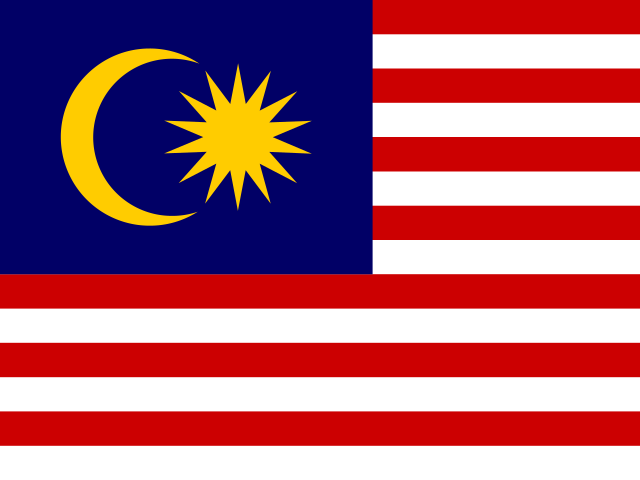
Malaysia
In Malaysia, the share of gas in the power mix decreased from 67% in 2005 to 47% in 2015, led by policies to switch to coal in response to declining domestic gas production. The country holds a large share of Southeast Asia’s fossil fuel resources.
- Overview
- Energy mix
- Emissions
- Electricity
-
+ 5 pages

![Malaysia Flag]()
-
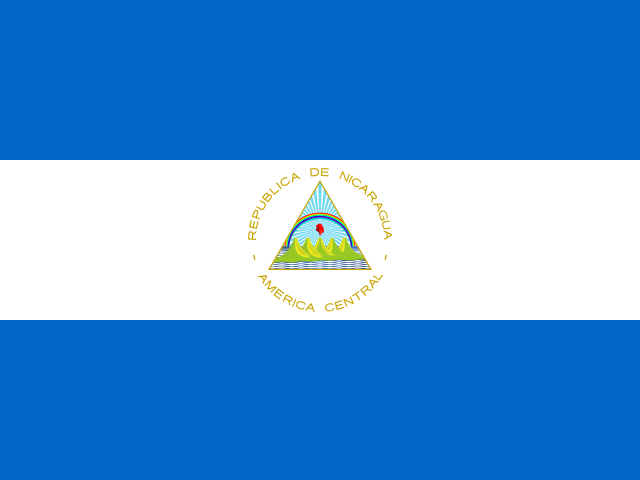
Nicaragua
The National Energy Policy of Nicaragua establishes a policy framework for the development and exploitation of renewable sources. The law sets the objective of prioritizing the use of renewable energy in the national energy mix and of stabilizing energy prices using renewables.
- Overview
- Energy mix
- Emissions
- Electricity
-
+ 5 pages

![Nicaragua Flag]()
-
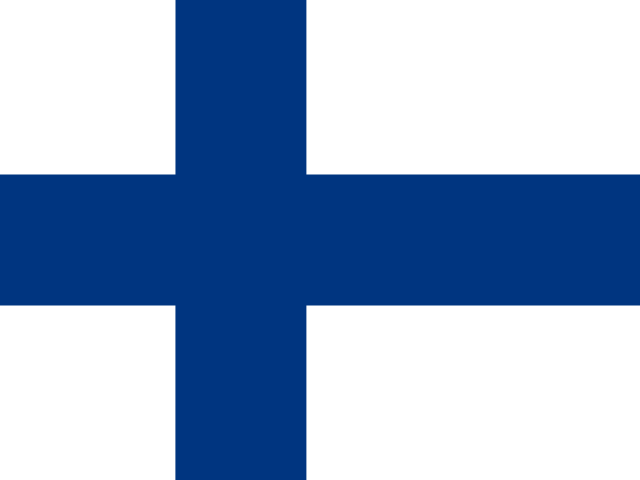
Finland
Finland has one of the most ambitious climate targets, a legal obligation to reach carbon neutrality by 2035. It is making progress towards this target and has one of the lowest levels of reliance on fossil fuels among IEA member countries. Finland’s forests, which historically offset significant greenhouse gas emissions, have become a net emissions source. A continued push towards the energy transition is needed, as imported fossil fuels still account for over one-third of energy supply and cover higher shares in transport and key industries.
- Overview
- Energy mix
- Emissions
- Electricity
-
+ 5 pages

![Finland Flag]()
-
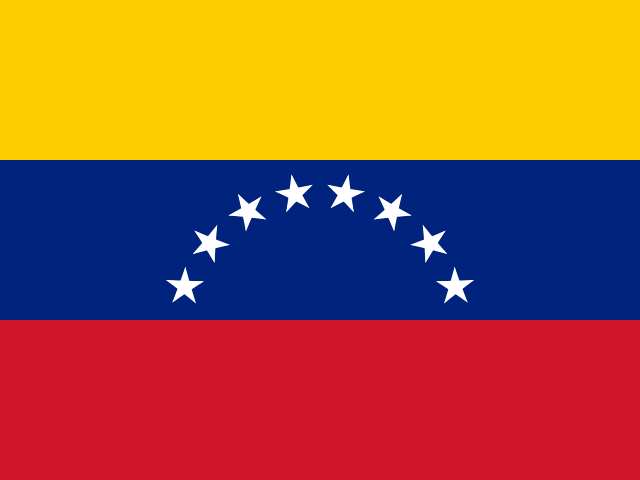
Venezuela
The Venezuela Plan for the National Electric System aims to integrate renewables in the power system by including it in medium and long-term strategies. It aims to develop the use of renewables within isolated rural communities including solar, small hydro and biogas.
- Overview
- Energy mix
- Emissions
- Electricity
-
+ 5 pages
![Venezuela Flag]()
-
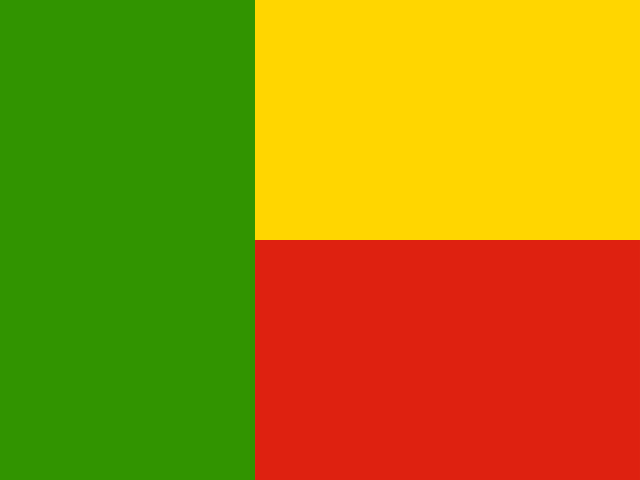
Benin
Benin is reliant on electricity imports for a significant share of its energy supply. Reform programmes, including plans for electrification, have been put in place in the country, where only 30% of the population had access to electricity in 2017.
- Overview
- Energy mix
- Emissions
- Electricity
-
+ 5 pages

![Benin Flag]()
-
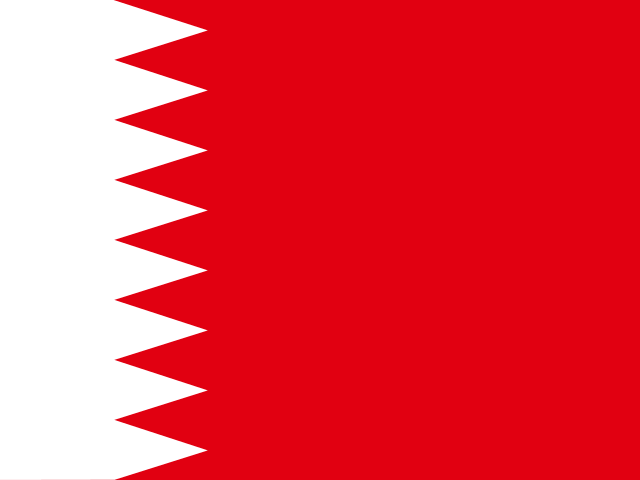
Bahrain
Bahrain's energy supply comes largely from the exploitation of its domestic fossil fuels resources. The country is also a major producer and exporter of oil, petroleum products and natural gas.
- Overview
- Energy mix
- Emissions
- Electricity
-
+ 5 pages

![Bahrain Flag]()
-
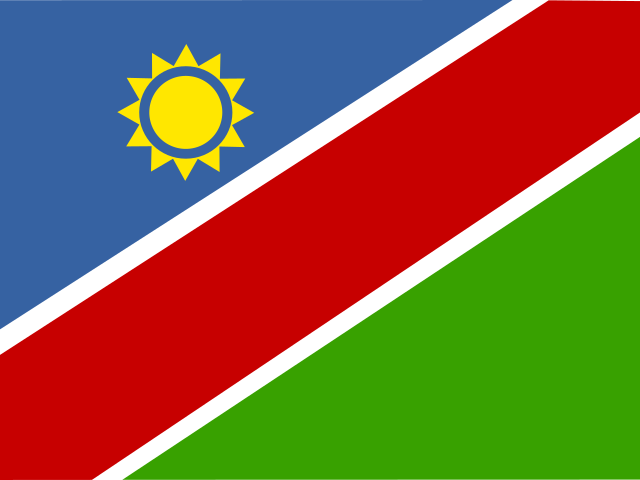
Namibia
Most of Namibia’s electricity is generated by hydropower. The country is also one of the ten-largest uranium resource-holders in the world and provides 8.2% of global production. The country has stated its interest in introducing nuclear power into its domestic mix.
- Overview
- Energy mix
- Emissions
- Electricity
-
+ 5 pages
![Namibia Flag]()
-
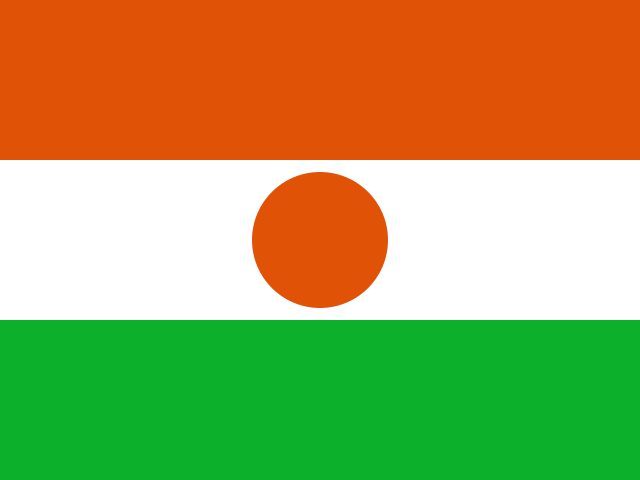
Niger
Access to electricity remains a challenge in Niger and the country is reliant on electricity imports for a significant share of its supply. The country is an oil resource centre and it is one of the ten-largest uranium resource-holders in the world.
- Overview
- Energy mix
- Emissions
- Electricity
-
+ 5 pages
![Niger Flag]()
-
Bulgaria
Bulgaria adopted The Energy from Renewable Sources Act in 2011. The Act regulates the generation and consumption of energy from renewable sources with the aim of achieving the national targets in terms of renewable energy use in final gross energy consumption.
- Overview
- Energy mix
- Emissions
- Electricity
-
+ 5 pages
![Bulgaria Flag]()
-
Nigeria
Nigeria is the largest economy and the richest oil resource centre of the African continent. The country also remains the largest gas consumer and producer of West Africa. Notable power sector reforms are underway in Nigeria, including plans for electrification.
- Overview
- Energy mix
- Emissions
- Electricity
-
+ 5 pages
![Nigeria Flag]()