-
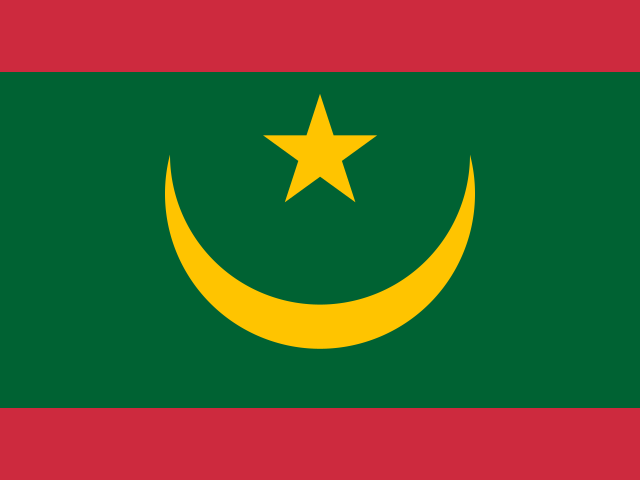
Mauritania
In 2019, Mauritania’s energy mix was dominated by oil products (65%) and biofuels and waste (32%). In 2020, 43% of the population had access to clean cooking which is the highest share in West Africa. In 2020, 47% of the population had access to electricity. For electricity access, the country targets universal access in urban areas and doubling of the current rate in rural areas by 2024, with country-wide universal access by 2030. For clean cooking, the target is 100% access to LPG in urban areas and 50% access to LPG in rural areas by 2030.
- Overview
- Energy mix
- Emissions
- Electricity
-
+ 5 pages

![Mauritania Flag]()
-
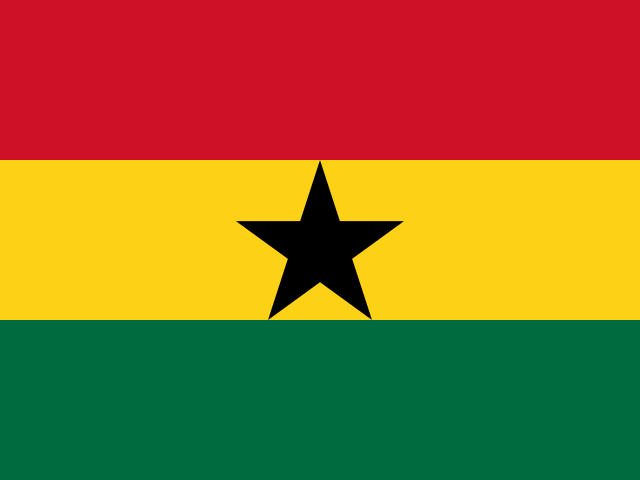
Ghana
In Ghana, electrification rates have gradually increased over the past 20 years, reaching almost 85% in 2017 and building on successful electrification plans. The country relies on a diversified energy mix and hosts the largest hydropower project of the Western African region.
- Overview
- Energy mix
- Emissions
- Electricity
-
+ 5 pages
![Ghana Flag]()
-
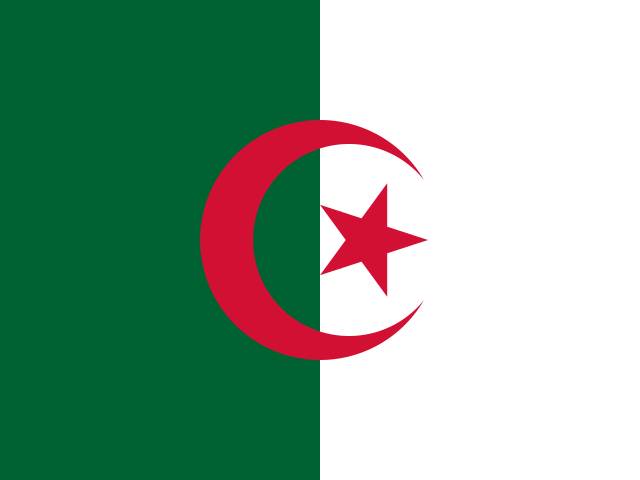
Algeria
Algeria is a large oil and gas producer and exporter. In 2015, the country updated its Renewable Energy and Energy Efficiency Development Plan to 2030, and put greater focus on the deployment of large-scale renewables, including solar PV and onshore wind installations, through various incentive measures.
- Overview
- Energy mix
- Emissions
- Electricity
-
+ 5 pages
![Algeria Flag]()
-
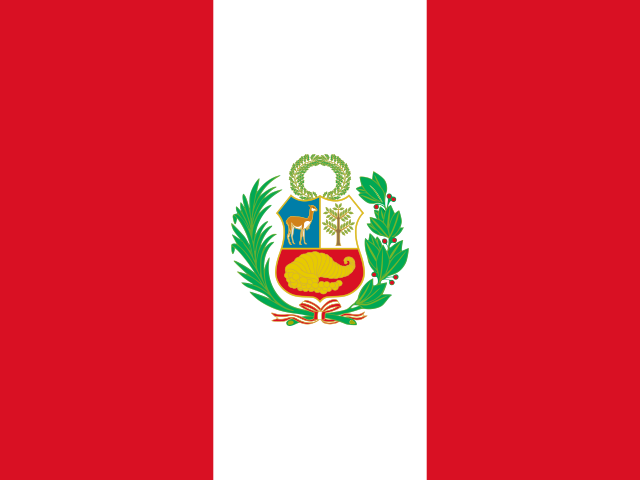
Peru
Peru’s government identified the development of electricity from renewable energy sources as a public necessity of national interest. The country established a National Renewable Energy Development Plan to be funded by the Annual Budget Law, external debt operations, direct investments and contributions from international institutions.
- Overview
- Energy mix
- Emissions
- Electricity
-
+ 5 pages

![Peru Flag]()
-
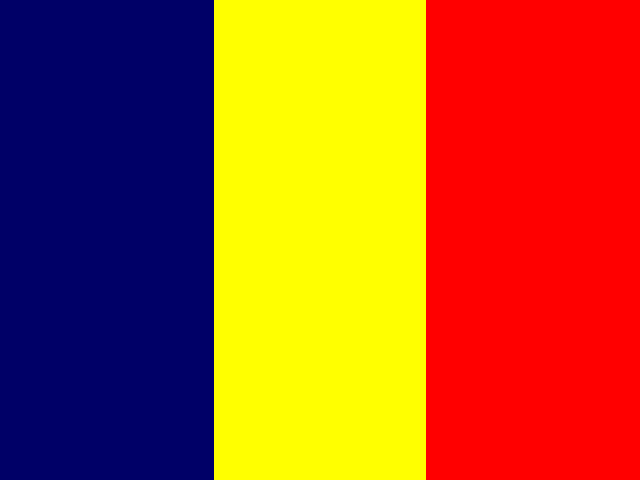
Chad
…basic services such as drinking water, basic sanitation and paved roads. Meanwhile, crude oil has become the country’s primary source of export earnings. In 2019, Chad’s energy mix was dominated by biofuels and wastes (85%) with oil products accounting for the rest of the total energy supply. In 2020, less than 5% of the population had access to clean cooking and 8% had access to electricity. The electrification rate is one of the lowest in Sub-Saharan Africa. The country has 30% electricity access target by 2023 and up to 53% by 2030, with a 20% rural access…
- Overview
- Energy mix
- Emissions
- Electricity
-
+ 5 pages
![Chad Flag]()
-
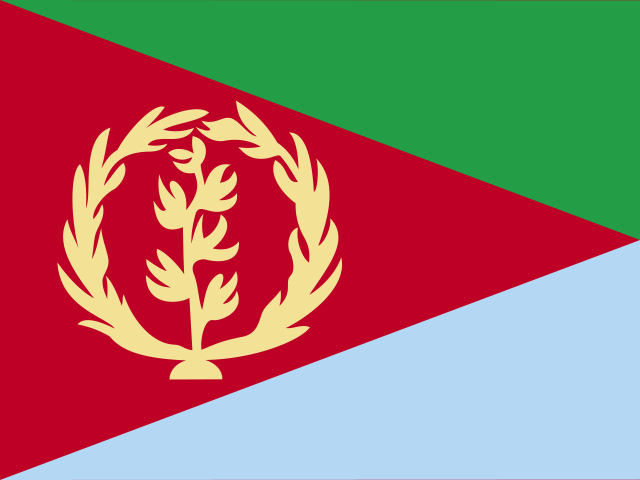
Eritrea
Less than half of the population of Eritrea has access to electricity. Most of the country's electricity generation comes from imported oil.
- Overview
- Energy mix
- Emissions
- Electricity
-
+ 5 pages
![Eritrea Flag]()
-
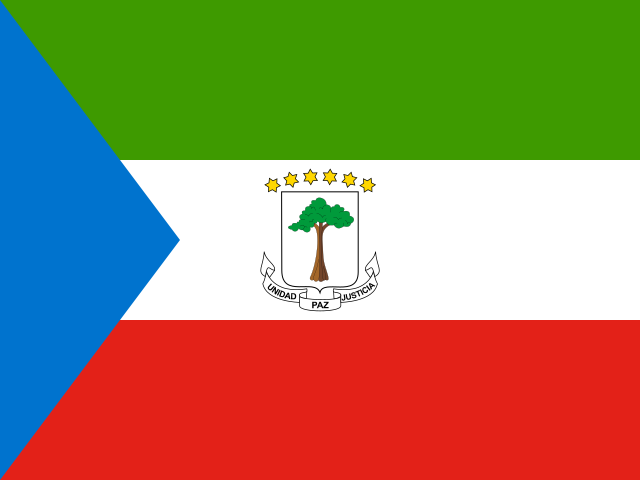
Equatorial Guinea
Electrification rates are relatively high in Equatorial Guinea at 66%. The country began oil production in the late 1990s and began LNG exports in 2007.
- Overview
- Energy mix
- Emissions
- Electricity
-
+ 5 pages
![Equatorial Guinea Flag]()
-
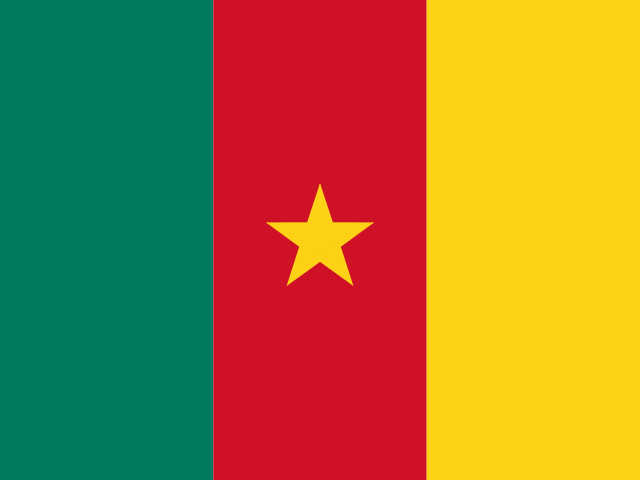
Cameroon
Electrification rates are relatively high in Cameroon compared to the Central African region: 54% of the population has access to electricity, while consumption remains low. The country produced 70 kb/d of oil in 2013, but production is gradually declining.
- Overview
- Energy mix
- Emissions
- Electricity
-
+ 5 pages
![Cameroon Flag]()
-
Viet Nam
In recent years, Viet Nam has increased its non-hydro renewable capacity targets in its power development plan, from 9.4% to 21% of total installed capacity in 2030, and decreased the share of coal-fired capacity from 52% to 43%.
- Overview
- Energy mix
- Emissions
- Electricity
-
+ 5 pages

![Viet Nam Flag]()
-
Kenya
Access to electricity has increased dramatically in Kenya over the past 20 years, reaching almost 3/4 of the population today. The Last Mile Connectivity Project of the Rural Electrification Authority aims to deliver universal access by 2022.
- Overview
- Energy mix
- Emissions
- Electricity
-
+ 5 pages
![Kenya Flag]()