-
New Zealand
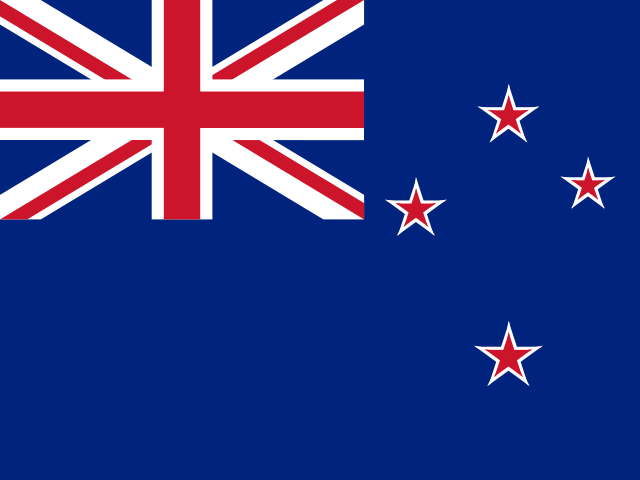
New Zealand has a diversified energy mix, with significant production of both hydropower and geothermal. As the country embarks on an ambitious energy transition, it has many natural advantages, including a strong renewable resource base. New Zealand already has a low-emissions electricity system, with over 80% of electricity coming from renewable sources. The key challenge will be to decarbonise other end-use sectors through clean power and support investments in new technologies to achieve deeper emissions cuts across all sectors. Notably, the transport sector accounts for the highest share of emissions and is almost entirely dependent on oil while…
- Overview
- Energy mix
- Emissions
- Electricity
-
+ 5 pages

![New Zealand Flag]()
-
Pakistan
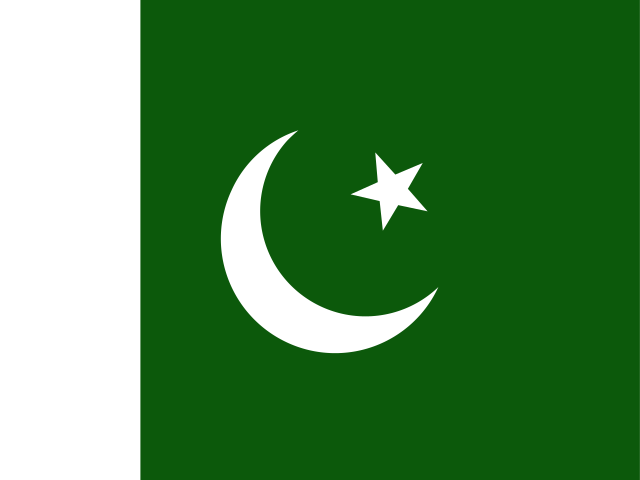
In Pakistan, most of the primary energy supply comes from oil and natural gas. Hydropower is the main renewable source of energy in the country but wind and solar PV’s shares are slowly growing. More than 40 million people remain without access to electricity and half the population lack access to clean cooking facilities.
- Overview
- Energy mix
- Emissions
- Electricity
-
+ 5 pages
![Pakistan Flag]()
-
Cuba
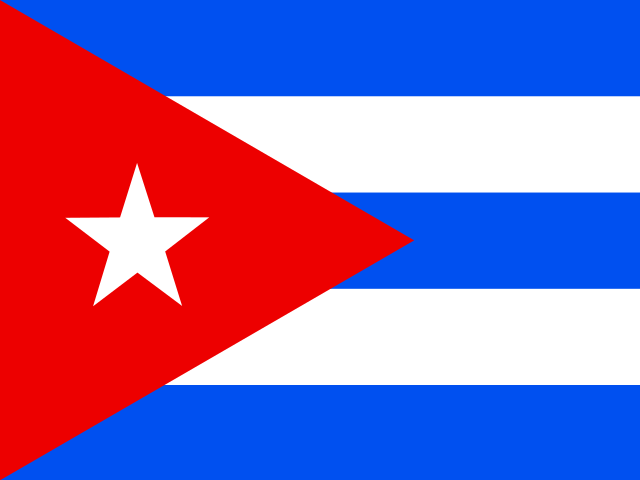
Cuba’s energy supply mainly comes from oil products, accounting for over 80% of power generation.
- Overview
- Energy mix
- Emissions
- Electricity
-
+ 5 pages

![Cuba Flag]()
-
Austria
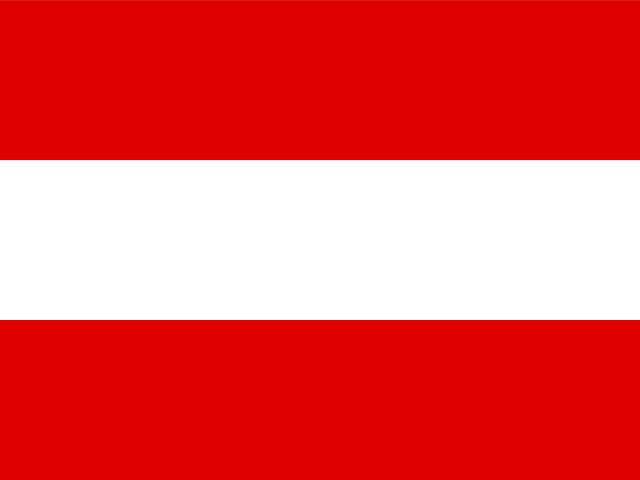
Austria is committed to reaching climate neutrality by 2040. Over three quarter of electricity generation already comes from renewables, with a target of achieving a 100% renewable electricity supply by 2030 (national balance). This requires investments to make networks more resilient and flexible, optimise demand side management, and updating the legal and regulatory framework to allow more consumer participation. Buildings and transport account for around half of total emissions . To progress the transition in these sectors, the government supports building renovation, switching from fossil fuels to sustainable heating systems, the electrification of transport and invests in public transport infrastructure.
- Overview
- Energy mix
- Emissions
- Electricity
-
+ 5 pages

![Austria Flag]()
-
Albania
Albania’s Ministry of Energy recently launched an auction round for the construction of the country’s first large-scale solar plant. The country also has a National Strategy of Energy, which aims to develop an effective energy sector that guarantees security of energy supply and efficient use of energy.
- Overview
- Energy mix
- Emissions
- Electricity
-
+ 5 pages
![Albania Flag]()
-
France
…nuclear fleet, the second-largest after the United States. As an early leader in setting out an ambitious energy transition, France legislated a net zero emissions target for 2050 in its 2019 Energy and Climate Act and aims at reducing by 55% its greenhouse gas emissions by 2030. A national low-carbon strategy with 5-year carbon budgets and a multiannual plan for energy investments implement the long-term target.
Acknowledging the need to maintain electricity security in the longer term and a low-carbon footprint France invests in efficiency, six new nuclear power plants and renewable energy, notably offshore…- Overview
- Energy mix
- Emissions
- Electricity
-
+ 5 pages
![France Flag]()
-
Laos
Laos’ 2011 Renewable Energy Development Strategy aims to achieve a renewable energy share of 30% in total energy consumption by 2025. The policy encourages investment in renewables and small power development for self-sufficiency and grid connection.
- Overview
- Energy mix
- Emissions
- Electricity
-
+ 5 pages
![Laos Flag]()
-
Israel
Israel endorsed a target of generating 10% of the country’s electricity from renewable sources in 2020. Solar thermal and photovoltaic power plants are expected to account for over 70% of total generation, with the remainder deriving from household PV units, wind energy and biomass.
The statistical data for Israel are supplied by and under the responsibility of the relevant Israeli authorities. The use of such data by the OECD is without prejudice to the status of the Golan Heights, East Jerusalem and Israeli settlements in the West Bank under the terms of international law.- Overview
- Energy mix
- Emissions
- Electricity
-
+ 5 pages
![Israel Flag]()
-
Kyrgyzstan
Kyrgyzstan’s hydro-rich energy sector is characterised by aging infrastructure and significant losses, which are exacerbated by a combination of weather-related shocks and growing demand. Energy policy aims to improve energy security by developing indigenous energy sources and rehabilitating and expanding transmission and distribution networks. Developing sustainable energy and improving energy efficiency are also priorities, while slowly removing subsidies will allow for further investment and expansion of domestic resources. Kyrgyzstan is part of the EU4Energy Programme, which is focused on evidence-based policymaking in the energy sector.
- Overview
- Energy mix
- Emissions
- Electricity
-
+ 5 pages

![Kyrgyzstan Flag]()
-
Philippines
The Philippines has made significant progress in delivering electricity access, boosting the household electrification rate past 90% in 2016. The country is on track to meet the target of achieving universal electrification by 2022, as set out in the Philippine Development Plan 2017-2022.
- Overview
- Energy mix
- Emissions
- Electricity
-
+ 5 pages
![Philippines Flag]()