-
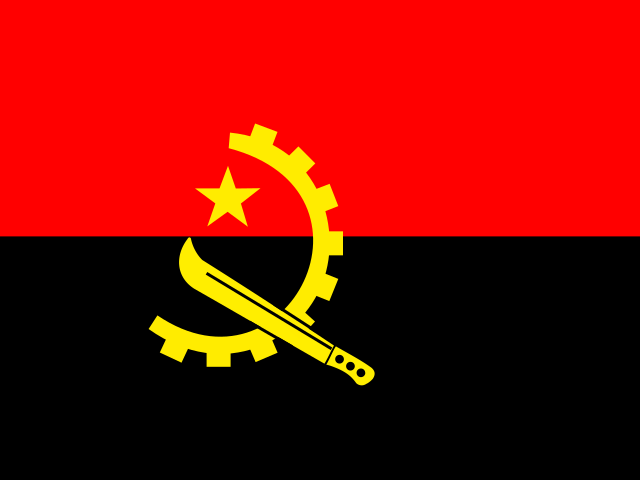
Angola
Angola is set to become the largest producer of crude oil in Southern Africa, yet has also set the foundation for the sustainable development of renewables, through investments and supportive measures. Angola has particularly strong hydropower generation potential that remains underutilised.
- Overview
- Energy mix
- Emissions
- Electricity
-
+ 5 pages

![Angola Flag]()
-
Mongolia
Coal is the first source of electricity generation in Mongolia, but the country has recently begun using hydro, solar and wind power, and has adopted a law aiming to increase and regulate the use of renewables.
- Overview
- Energy mix
- Emissions
- Electricity
-
+ 5 pages

![Mongolia Flag]()
-
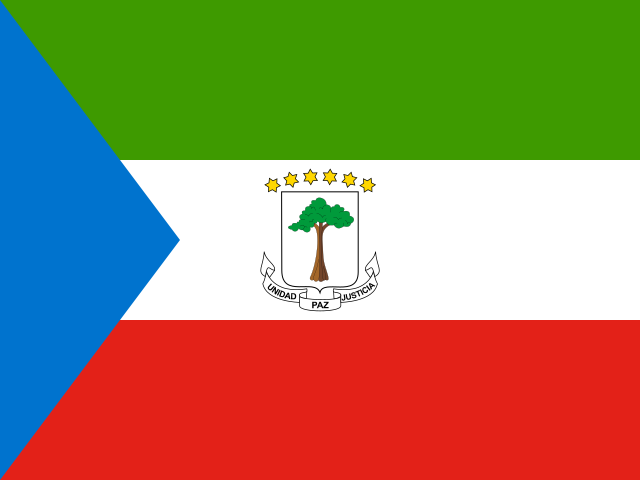
Equatorial Guinea
Electrification rates are relatively high in Equatorial Guinea at 66%. The country began oil production in the late 1990s and began LNG exports in 2007.
- Overview
- Energy mix
- Emissions
- Electricity
-
+ 5 pages
![Equatorial Guinea Flag]()
-
Thailand
Thailand’s energy policy focuses on reducing dependence on natural gas to enhance energy security. With the costs reduction of variable renewable energy, conventional Thai power generation starts giving way to alternative sources. The country’s energy policy must evolve to accommodate this change.
- Overview
- Energy mix
- Emissions
- Electricity
-
+ 5 pages
![Thailand Flag]()
-
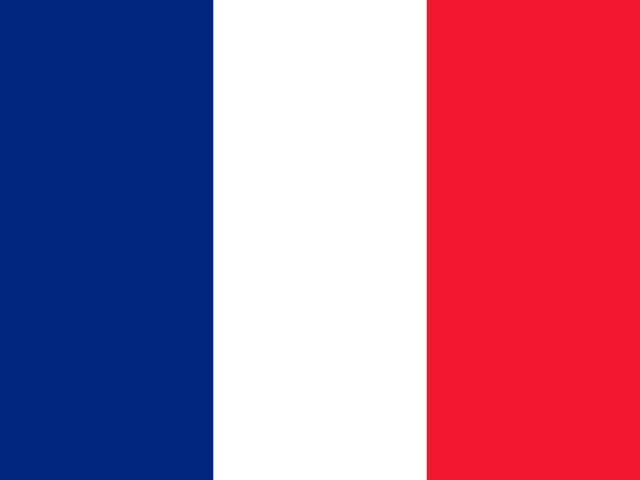
France
…fleet, the second-largest after the United States. As an early leader in setting out an ambitious energy transition, France legislated a net zero emissions target for 2050 in its 2019 Energy and Climate Act and aims at reducing by 55% its greenhouse gas emissions by 2030. A national low-carbon strategy with 5-year carbon budgets and a multiannual plan for energy investments implement the long-term target.
Acknowledging the need to maintain electricity security in the longer term and a low-carbon footprint France invests in efficiency, six new nuclear power plants and renewable energy, notably offshore wind…- Overview
- Energy mix
- Emissions
- Electricity
-
+ 5 pages

![France Flag]()
-
Bosnia and Herzegovina
Bosnia and Herzegovina adopted a National Environmental Action Plan, which provides action path to address the major environmental issues of the country. In the energy sector the target will be achieved by increasing energy efficiency and usage of renewables (hydro, solar, wind and geothermal energy).
- Overview
- Energy mix
- Emissions
- Electricity
-
+ 5 pages
![Bosnia and Herzegovina Flag]()
-
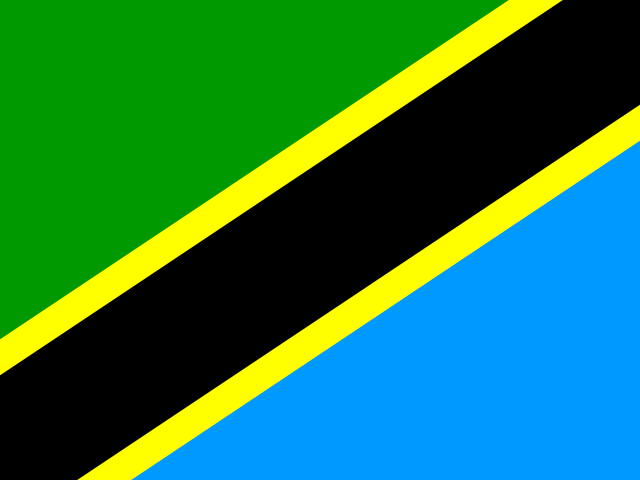
Tanzania
Electricity access in Tanzania increased from around 13% in 2008 to 32% in 2017. The government is supporting the private sector to develop its electricity market, enhancing the role of renewable energy in the energy mix and increasing rural electricity access.
- Overview
- Energy mix
- Emissions
- Electricity
-
+ 5 pages
![Tanzania Flag]()
-
Serbia
In Serbia, the National Renewable Energy Action Plan set targets of renewable energy sources use until 2020, as well as the pathway to achieve them. Among other things, it enhances investments towards the development of renewables.
Data for Serbia includes Montenegro until 2004.- Overview
- Energy mix
- Emissions
- Electricity
-
+ 5 pages
![Serbia Flag]()
-
Saudi Arabia
Saudi Arabia has moved forward in the implementation of energy efficiency standards on key sectors and end-uses linked to their energy saving potential. These standards are focused on and the transport and building sectors. For example, new buildings are now required to be insulated.
- Overview
- Energy mix
- Emissions
- Electricity
-
+ 5 pages

![Saudi Arabia Flag]()
-
Gabon
Almost two-thirds of the population of Gabon has access to electricity. The country can partially rely on its 150 thousand barrels per day hydrocarbon liquids production and has recently implemented a new petroleum legislation.
- Overview
- Energy mix
- Emissions
- Electricity
-
+ 5 pages
![Gabon Flag]()