-
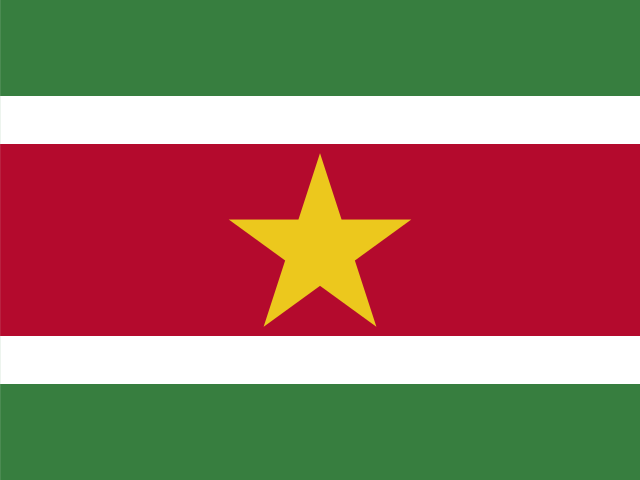
Suriname
The Intended Nationally Determined Contribution of Suriname to the Paris Agreement included commitments to improve sustainable forest management with the goal of enhancing the country's carbon sink potential, but no targets in terms of absolute or relative GHG emissions by 2030.
- Overview
- Energy mix
- Emissions
- Electricity
-
+ 5 pages

![Suriname Flag]()
-
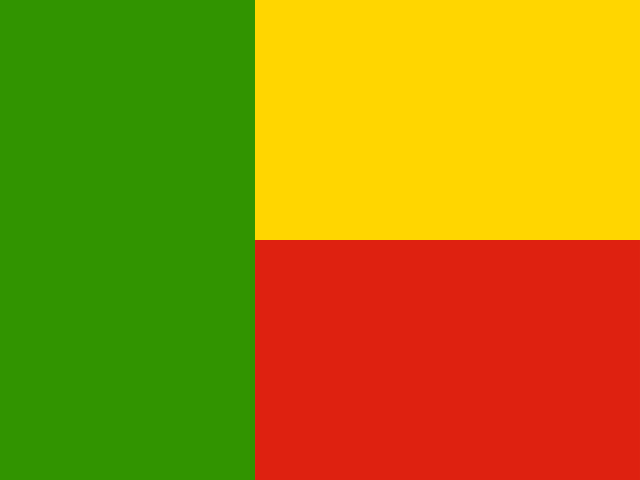
Benin
Benin is reliant on electricity imports for a significant share of its energy supply. Reform programmes, including plans for electrification, have been put in place in the country, where only 30% of the population had access to electricity in 2017.
- Overview
- Energy mix
- Emissions
- Electricity
-
+ 5 pages

![Benin Flag]()
-
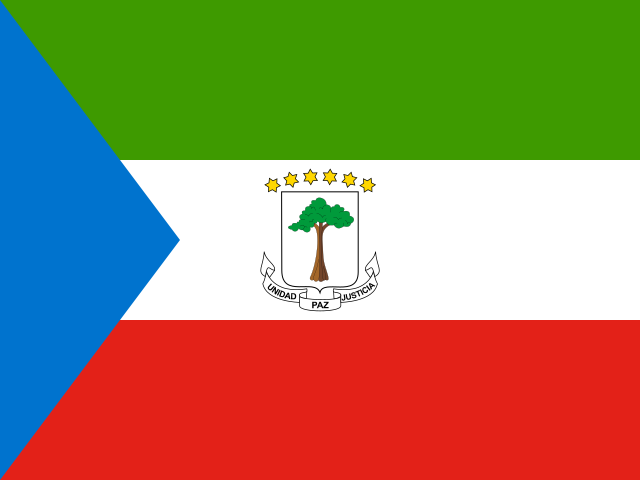
Equatorial Guinea
Electrification rates are relatively high in Equatorial Guinea at 66%. The country began oil production in the late 1990s and began LNG exports in 2007.
- Overview
- Energy mix
- Emissions
- Electricity
-
+ 5 pages
![Equatorial Guinea Flag]()
-
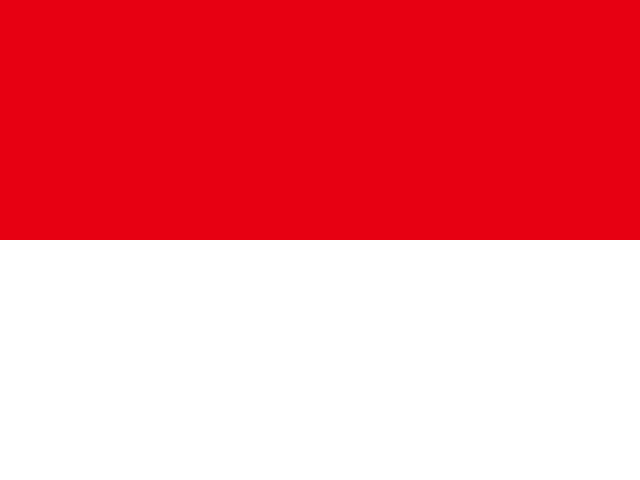
Indonesia
Indonesia’s imports of oil have rapidly increased in recent years. This resource-rich nation is the world’s fourth-largest producer of coal and Southeast Asia’s biggest gas supplier. The country is the largest producer of biofuels worldwide and it is scaling up efforts to exploit its renewable energy potential. Indonesia's importance is underscored by its sizeable population of 250 million people – the fourth-largest in the world – and its significant role as a major producer and consumer of energy in regional and international markets. Indonesia is also the largest economy in ASEAN and an active member…
- Overview
- Energy mix
- Emissions
- Electricity
-
+ 5 pages

![Indonesia Flag]()
-
Kenya
Access to electricity has increased dramatically in Kenya over the past 20 years, reaching almost 3/4 of the population today. The Last Mile Connectivity Project of the Rural Electrification Authority aims to deliver universal access by 2022.
- Overview
- Energy mix
- Emissions
- Electricity
-
+ 5 pages
![Kenya Flag]()
-
Cameroon
Electrification rates are relatively high in Cameroon compared to the Central African region: 54% of the population has access to electricity, while consumption remains low. The country produced 70 kb/d of oil in 2013, but production is gradually declining.
- Overview
- Energy mix
- Emissions
- Electricity
-
+ 5 pages
![Cameroon Flag]()
-
Kyrgyzstan
Kyrgyzstan’s hydro-rich energy sector is characterised by aging infrastructure and significant losses, which are exacerbated by a combination of weather-related shocks and growing demand. Energy policy aims to improve energy security by developing indigenous energy sources and rehabilitating and expanding transmission and distribution networks. Developing sustainable energy and improving energy efficiency are also priorities, while slowly removing subsidies will allow for further investment and expansion of domestic resources. Kyrgyzstan is part of the EU4Energy Programme, which is focused on evidence-based policymaking in the energy sector.
- Overview
- Energy mix
- Emissions
- Electricity
-
+ 5 pages

![Kyrgyzstan Flag]()
-
Bolivia
A quarter of the electricity generated in Bolivia comes from renewables. On the other hand, 12% of the population still does not have access to electricity. The government has launched the Bolivia Electric Plan 2020-2025 to support the expansion of the electricity grid with a strong emphasis on renewables.
- Overview
- Energy mix
- Emissions
- Electricity
-
+ 5 pages
![Bolivia Flag]()
-
Iran
Iran has in place legislation obliging the Minister of Energy to increase the share of renewables and clean power plants to at least 5% of the country's capacity until the end of 2021.
- Overview
- Energy mix
- Emissions
- Electricity
-
+ 5 pages

![Iran Flag]()
-
Philippines
The Philippines has made significant progress in delivering electricity access, boosting the household electrification rate past 90% in 2016. The country is on track to meet the target of achieving universal electrification by 2022, as set out in the Philippine Development Plan 2017-2022.
- Overview
- Energy mix
- Emissions
- Electricity
-
+ 5 pages
![Philippines Flag]()