-
Myanmar
In Myanmar, a steep increase in the share of gas-fired power generation reflects a push to take advantage of its abundant domestic resources. The country however has ample scope to rely on renewables in its electrification strategy.
- Overview
- Energy mix
- Emissions
- Electricity
-
+ 5 pages

![Myanmar Flag]()
-
Germany
…come from renewable energy sources (and 100% by 2035) and coal is to be completely phased out. Germany has been an early leader in offshore wind and solar PV and phased out nuclear power in 2023. Major legislative reforms in renewable energy planning and siting support targets of 100-110 GW of onshore wind, 30 GW offshore wind and 200 GW solar, alongside investments in 10 GW of hydrogen by 2030. Under the Energy Efficiency Act, Germany is deploying efforts to reduce energy consumption of about 500 TWh by 2030, corresponding to around one fifth of its energy consumption in…
- Overview
- Energy mix
- Emissions
- Electricity
-
+ 5 pages

![Germany Flag]()
-
Cote D’Ivoire
Most of Cote d'Ivoire's primary energy demand is covered by local oil refinery supplies and domestic gas production. Almost 60% of the population had access to electricity in the country in 2017, a 10-percentage point’s increase from 2015.
- Overview
- Energy mix
- Emissions
- Electricity
-
+ 5 pages

![Cote D’Ivoire Flag]()
-
Viet Nam
In recent years, Viet Nam has increased its non-hydro renewable capacity targets in its power development plan, from 9.4% to 21% of total installed capacity in 2030, and decreased the share of coal-fired capacity from 52% to 43%.
- Overview
- Energy mix
- Emissions
- Electricity
-
+ 5 pages
![Viet Nam Flag]()
-
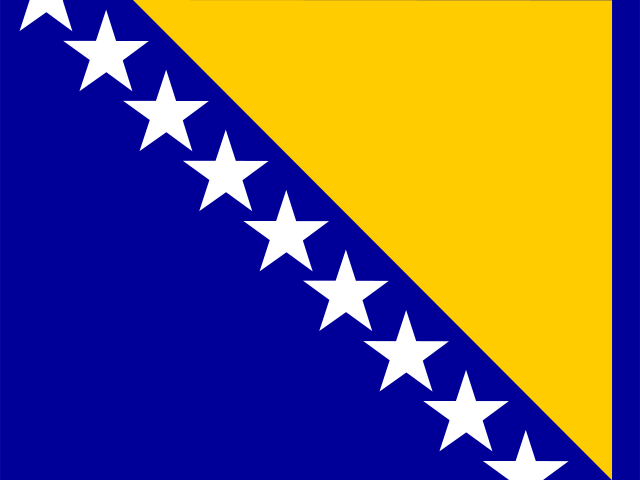
Bosnia and Herzegovina
Bosnia and Herzegovina adopted a National Environmental Action Plan, which provides action path to address the major environmental issues of the country. In the energy sector the target will be achieved by increasing energy efficiency and usage of renewables (hydro, solar, wind and geothermal energy).
- Overview
- Energy mix
- Emissions
- Electricity
-
+ 5 pages
![Bosnia and Herzegovina Flag]()
-
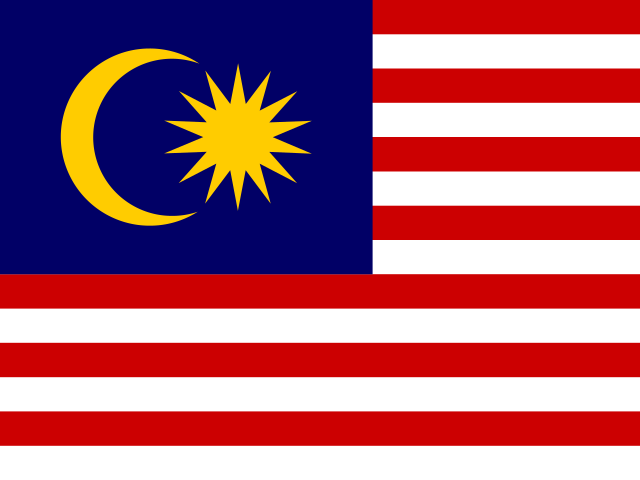
Malaysia
In Malaysia, the share of gas in the power mix decreased from 67% in 2005 to 47% in 2015, led by policies to switch to coal in response to declining domestic gas production. The country holds a large share of Southeast Asia’s fossil fuel resources.
- Overview
- Energy mix
- Emissions
- Electricity
-
+ 5 pages
![Malaysia Flag]()
-
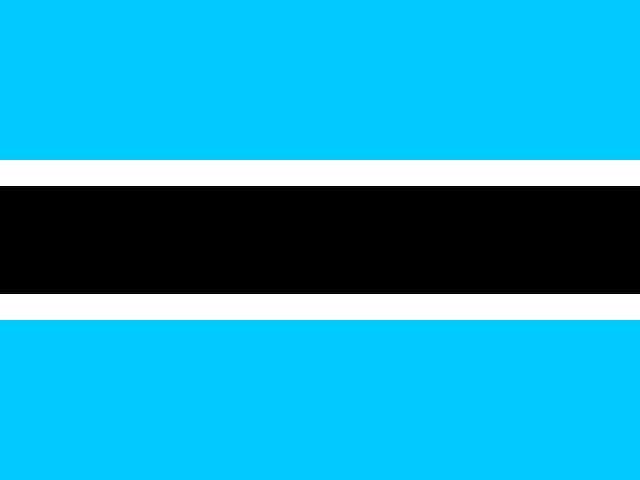
Botswana
Coal production is set to increase in Botswana, but exports remain limited and mainly involve trade with neighbouring countries. Regarding electrification rates, the country has recently made good progress through a large push for mini-grid and off-grid solutions in rural areas.
- Overview
- Energy mix
- Emissions
- Electricity
-
+ 5 pages
![Botswana Flag]()
-
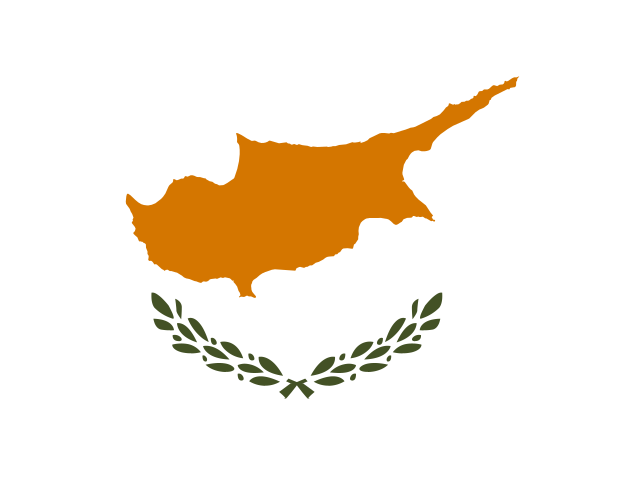
Cyprus
Cyprus adopted the Law on the Promotion of Renewable Energy and Energy Efficiency in the early 2010s, which creates a fund that finances the premium tariff and other costs related to renewable electricity generation.
Note by the Republic of Türkiye (Türkiye): The information in this document with reference to Cyprus relates to the southern part of the Island. There is no single authority representing both Turkish and Greek Cypriot people on the Island. Türkiye recognises the Turkish Republic of Northern Cyprus (TRNC). Until a lasting and equitable solution is found within the context of United Nations, Türkiye shall preserve its…- Overview
- Energy mix
- Emissions
- Electricity
-
+ 5 pages
![Cyprus Flag]()
-
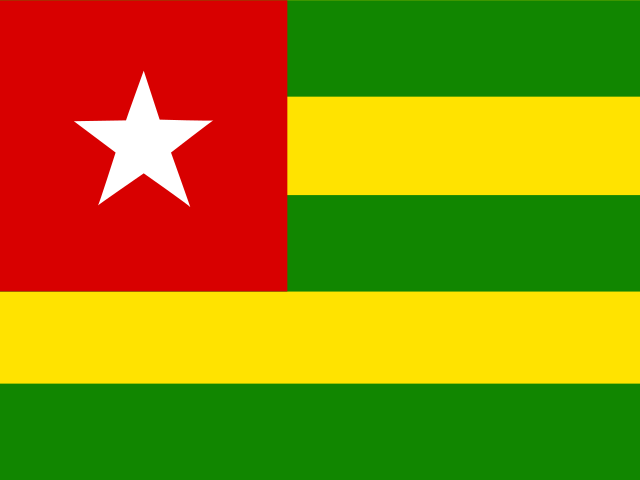
Togo
Less than half of the Togolese population has access to electricity. The country has a relatively diversified energy mix and more than 13% of its final energy consumption comes from renewable supplies of energy, mainly hydropower.
- Overview
- Energy mix
- Emissions
- Electricity
-
+ 5 pages
![Togo Flag]()
-
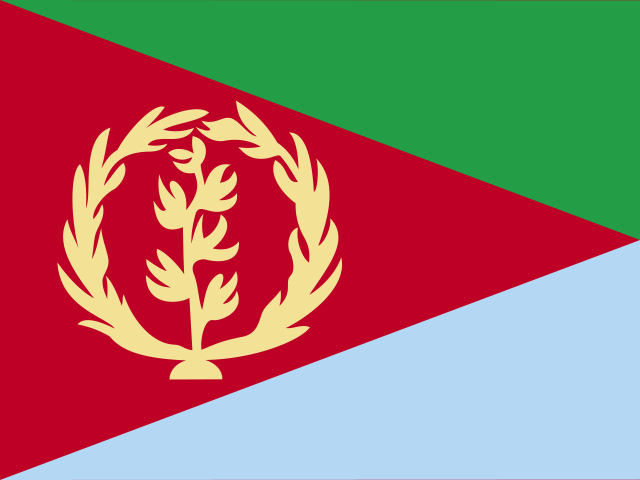
Eritrea
Less than half of the population of Eritrea has access to electricity. Most of the country's electricity generation comes from imported oil.
- Overview
- Energy mix
- Emissions
- Electricity
-
+ 5 pages
![Eritrea Flag]()