-
Myanmar
In Myanmar, a steep increase in the share of gas-fired power generation reflects a push to take advantage of its abundant domestic resources. The country however has ample scope to rely on renewables in its electrification strategy.
- Overview
- Energy mix
- Emissions
- Electricity
-
+ 5 pages

![Myanmar Flag]()
-
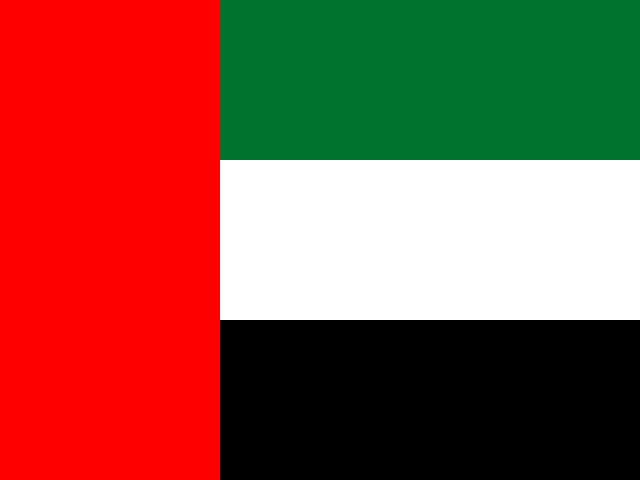
United Arab Emirates
The majority of the energy produced in the United Arab Emirates is from natural gas and oil. The country is also a major exporter of oil and gas and it started using its strong solar PV potential in 2014 to produce electricity.
- Overview
- Energy mix
- Emissions
- Electricity
-
+ 5 pages

![United Arab Emirates Flag]()
-
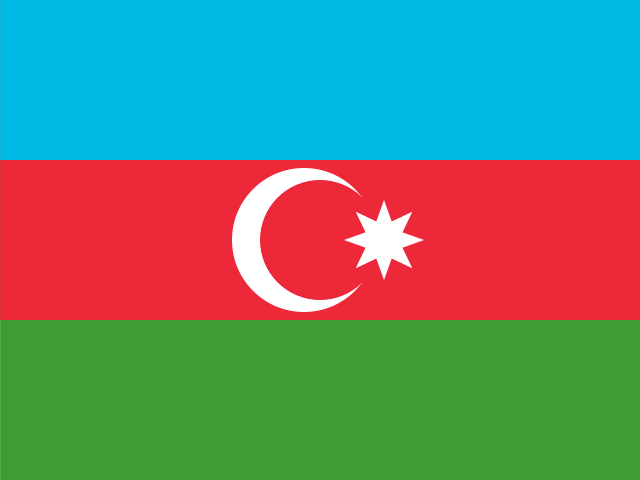
Azerbaijan
Azerbaijan has one of the highest energy self-sufficiency ratios in the world as a major crude oil and natural gas producer. While the renewable sector has not seen as much attention, the government is now looking to stimulate investment and accelerate deployment, allowing for diversification of domestic energy consumption. In addition, the government is working on a new energy strategy that will set the stage for further policy shifts. Azerbaijan is part of the EU4Energy Programme, an initiative focused on evidence-based policymaking for the energy sector.
- Overview
- Energy mix
- Emissions
- Electricity
-
+ 5 pages

![Azerbaijan Flag]()
-
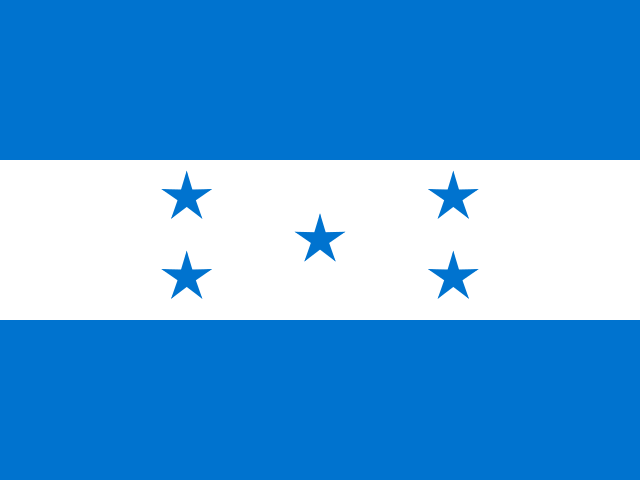
Honduras
In 2014, Honduras approved a new Law of Electrical Industry, which establishes technology-specific auctions for renewable energy. 75% of the population has access to electricity in the country and only 48% can rely on clean cooking facilities.
- Overview
- Energy mix
- Emissions
- Electricity
-
+ 5 pages

![Honduras Flag]()
-
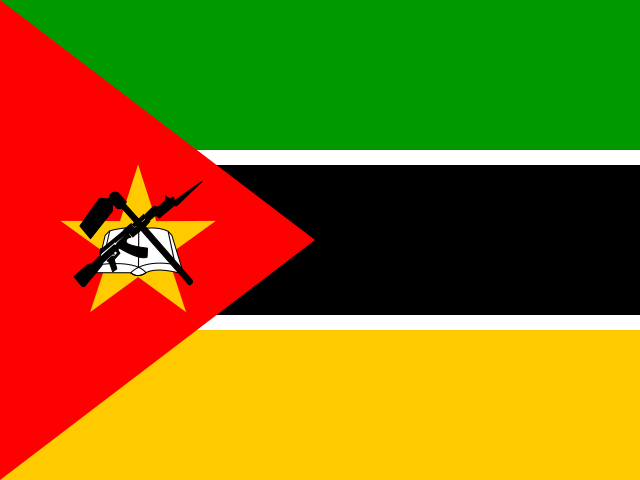
Mozambique
In Mozambique, around 40% of people have access to electricity, through the grid or mini/off-grid systems. The government has promoted solar PV solutions in rural areas, reporting that 700 schools and 800 other public buildings now have electricity from solar.
- Overview
- Energy mix
- Emissions
- Electricity
-
+ 5 pages

![Mozambique Flag]()
-
Canada
Canada has set an ambitious target to cut greenhouse gas emissions by 40-45% from 2005 levels by 2030 and to reach net zero emissions by 2050. Canada’s energy and economic profile presents both challenges and opportunities to achieving these targets given its profile as a major producer, consumer and exporter of energy. Energy production and use in Canada accounts for over 80% of the country’s GHG emissions, with oil and gas production alone accounting for around a quarter. Canada’s electricity system is already among the cleanest in the world, with heavy dominance of hydropower as well…
- Overview
- Energy mix
- Emissions
- Electricity
-
+ 5 pages

![Canada Flag]()
-
Tajikistan
Hydropower is the main source of energy in Tajikistan, followed by imported oil, gas and coal. However, Tajikistan's energy sector is prone to supply shocks, due to seasonal shortages. Energy policy focuses on providing uninterrupted energy access to all users while improving regional co‑operation and energy sector efficiency, but significant domestic and foreign investment will be necessary for continued energy sector development. Tajikistan is part of the EU4Energy Programme, an initiative focused on evidence-based policymaking for the energy sector.
- Overview
- Energy mix
- Emissions
- Electricity
-
+ 5 pages
![Tajikistan Flag]()
-
Sudan
Most of Sudan’s electricity generation comes from hydropower, and more than half of the Eastern African region’s total oil-based capacity is located in the country. Sudan is also contemplating scaling up projects on solar power in the coming years.
- Overview
- Energy mix
- Emissions
- Electricity
-
+ 5 pages
![Sudan Flag]()
-
Nepal
Almost the totality of the electricity generated in Nepal comes from hydropower. Most of the energy supply is from biofuels and waste as 21 million people still rely on traditional biomass for cooking. In 2000, 81% did not have access to electricity but with remarkable efforts from the government, only 6% of the population remain without access today.
- Overview
- Energy mix
- Emissions
- Electricity
-
+ 5 pages
![Nepal Flag]()
-
Finland
Finland has one of the most ambitious climate targets, a legal obligation to reach carbon neutrality by 2035. It is making progress towards this target and has one of the lowest levels of reliance on fossil fuels among IEA member countries. Finland’s forests, which historically offset significant greenhouse gas emissions, have become a net emissions source. A continued push towards the energy transition is needed, as imported fossil fuels still account for over one-third of energy supply and cover higher shares in transport and key industries.
- Overview
- Energy mix
- Emissions
- Electricity
-
+ 5 pages

![Finland Flag]()