-
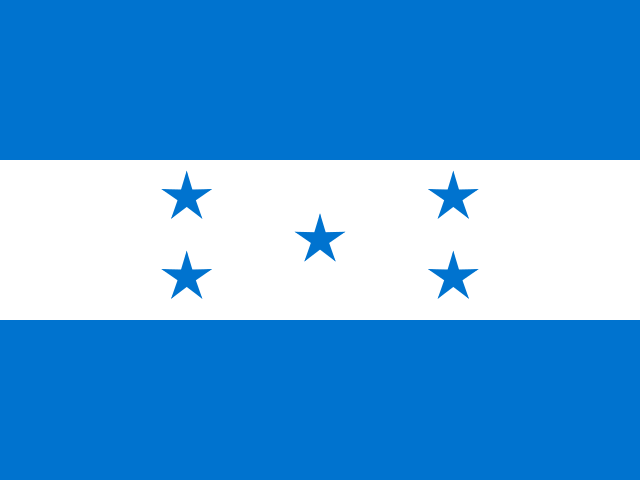
Honduras
In 2014, Honduras approved a new Law of Electrical Industry, which establishes technology-specific auctions for renewable energy. 75% of the population has access to electricity in the country and only 48% can rely on clean cooking facilities.
- Overview
- Energy mix
- Emissions
- Electricity
-
+ 5 pages

![Honduras Flag]()
-
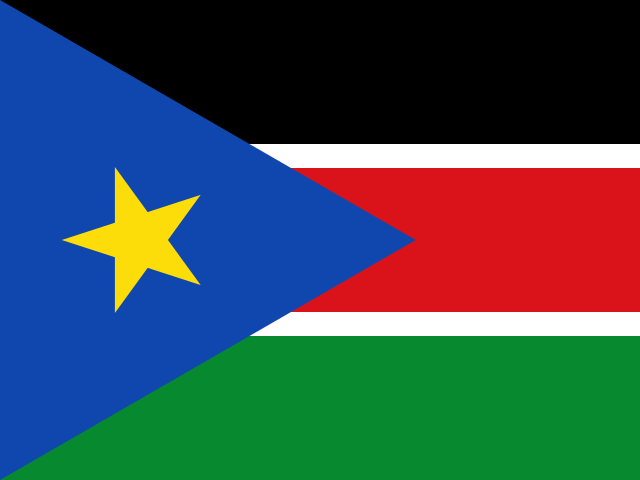
South Sudan
South Sudan is one of Eastern Africa's major oil resource holders but exported more than 85% of its production in 2014. Only 1% of the population had access to electricity in the country in 2017.
- Overview
- Energy mix
- Emissions
- Electricity
-
+ 5 pages

![South Sudan Flag]()
-
ETP Clean Energy Technology Guide
Interactive database of 640 individual technology designs and components across the whole energy system that contribute to achieving the goal of net-zero emissions
-
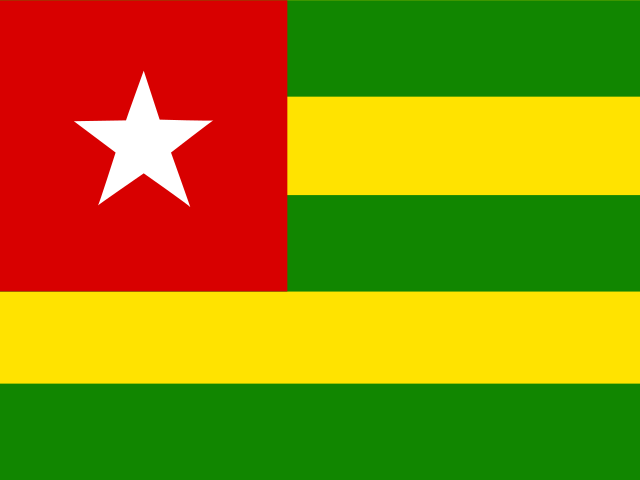
Togo
Less than half of the Togolese population has access to electricity. The country has a relatively diversified energy mix and more than 13% of its final energy consumption comes from renewable supplies of energy, mainly hydropower.
- Overview
- Energy mix
- Emissions
- Electricity
-
+ 5 pages
![Togo Flag]()
-
Nigeria
Nigeria is the largest economy and the richest oil resource centre of the African continent. The country also remains the largest gas consumer and producer of West Africa. Notable power sector reforms are underway in Nigeria, including plans for electrification.
- Overview
- Energy mix
- Emissions
- Electricity
-
+ 5 pages
![Nigeria Flag]()
-
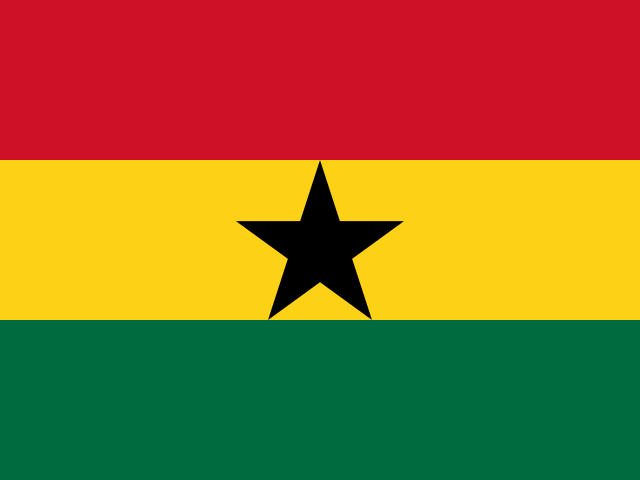
Ghana
In Ghana, electrification rates have gradually increased over the past 20 years, reaching almost 85% in 2017 and building on successful electrification plans. The country relies on a diversified energy mix and hosts the largest hydropower project of the Western African region.
- Overview
- Energy mix
- Emissions
- Electricity
-
+ 5 pages
![Ghana Flag]()
-
Financing Electricity Access in Africa Executive summary
Lack of capital presents a major impediment to universal electricity access Nearly two out of every five people in Africa – around 600 million in total – still live without access to electricity. Electrification has barely kept pace with population growth, leaving the continent far behind the targets set by African governments and the international community. Progress in reducing the absolute number of people without access has stalled in recent years, with the rate of improvement failing to fully recover to pre-pandemic levels. Fewer than 19 million people gained access in both 2023 and 2024, compared with 23 million in 2019…

-
Methane Tracker
Interactive database of country and regional estimates for methane emissions and abatement options
-
Congo
In Congo, 3 out of 5 people do not have access to electricity. As a country with a very low population density, Congo faces particularly severe challenges in bringing energy of any kind to its rural communities.
- Overview
- Energy mix
- Emissions
- Electricity
-
+ 5 pages
![Congo Flag]()
-
Energy System Resilience Executive summary
Ensuring the resilience of energy systems – or their capacity to prepare for disruptions, withstand shocks while maintaining operations, and rapidly restore service – plays a key role in managing many of today’s emerging security risks, from weather disruptions to geopolitical tensions. Energy security encompasses both long-term adequacy through infrastructure investment and diverse supply sources, and short-term resilience for events beyond standard planning conditions. While countries face different threats – from extreme and severe weather to cyberattacks and infrastructure failures – a common challenge is to design adaptable systems that can respond rapidly, isolate affected components, and restore supply services swiftly…