-
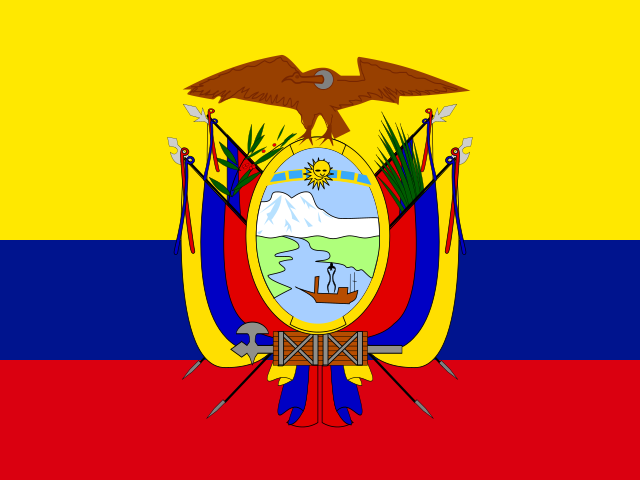
Ecuador
In Ecuador, The Energy Efficiency National Plan 2016-2035 presents an inter-sectoral plan for energy efficiency, policies in transport, industry, residence, production, generation and all energy consumption sectors. In 2013, a new feed-in tariff scheme for renewable energy projects also entered into force.
- Overview
- Energy mix
- Emissions
- Electricity
-
+ 5 pages

![Ecuador Flag]()
-
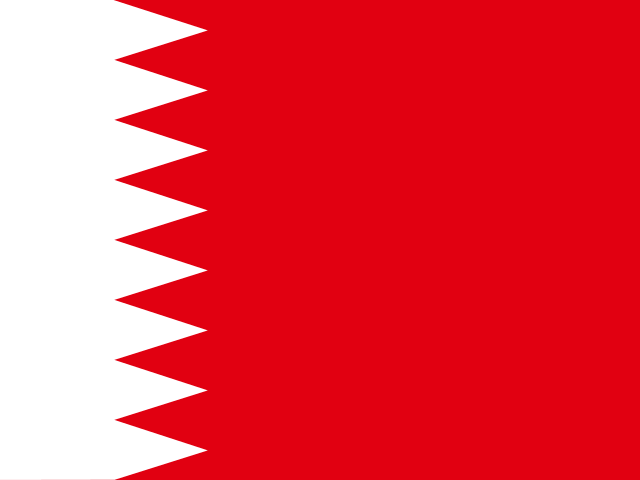
Bahrain
Bahrain's energy supply comes largely from the exploitation of its domestic fossil fuels resources. The country is also a major producer and exporter of oil, petroleum products and natural gas.
- Overview
- Energy mix
- Emissions
- Electricity
-
+ 5 pages

![Bahrain Flag]()
-
Cambodia
Cambodia’s electrification rate is the second-lowest among South East Asian countries. Cambodia plans to increase its power generation capacity by building hydropower and coal-fired plants by 2025, which can contribute to improve self-sufficiency of power supply.
- Overview
- Energy mix
- Emissions
- Electricity
-
+ 5 pages

![Cambodia Flag]()
-
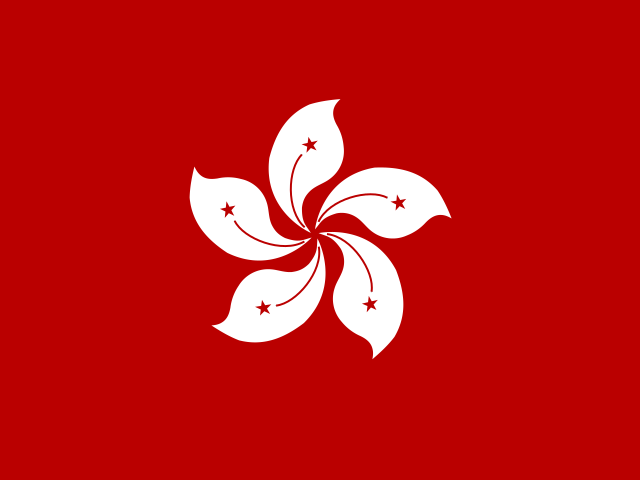
Hong Kong
Hong Kong
- Overview
- Energy mix
- Emissions
- Electricity
-
+ 5 pages
![Hong Kong Flag]()
-
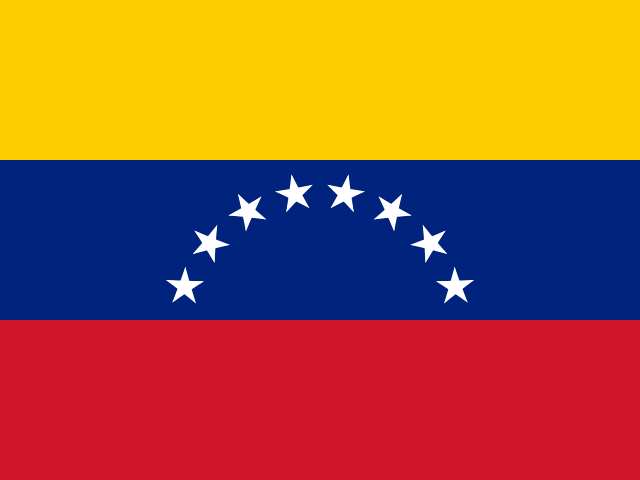
Venezuela
The Venezuela Plan for the National Electric System aims to integrate renewables in the power system by including it in medium and long-term strategies. It aims to develop the use of renewables within isolated rural communities including solar, small hydro and biogas.
- Overview
- Energy mix
- Emissions
- Electricity
-
+ 5 pages
![Venezuela Flag]()
-
Mozambique
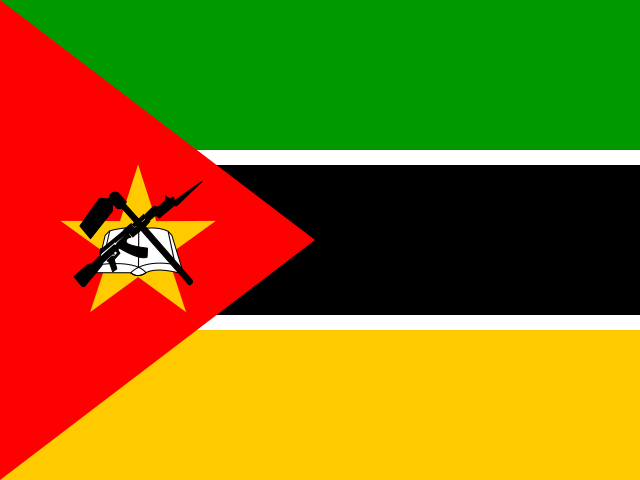
In Mozambique, around 40% of people have access to electricity, through the grid or mini/off-grid systems. The government has promoted solar PV solutions in rural areas, reporting that 700 schools and 800 other public buildings now have electricity from solar.
- Overview
- Energy mix
- Emissions
- Electricity
-
+ 5 pages

![Mozambique Flag]()
-
Jordan
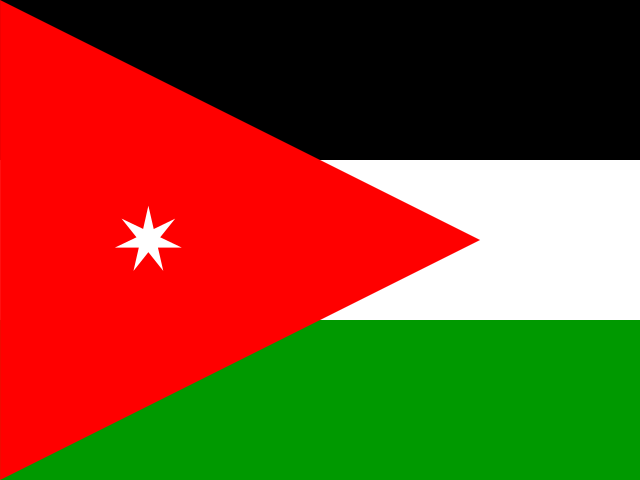
The government of Jordan targets 10% of energy mix to come from renewables by 2020. The country has set up a fund, as well as duties and taxes exemptions on all manufactured locally and imported renewable energy sources equipment and systems.
- Overview
- Energy mix
- Emissions
- Electricity
-
+ 5 pages
![Jordan Flag]()
-
Tunisia
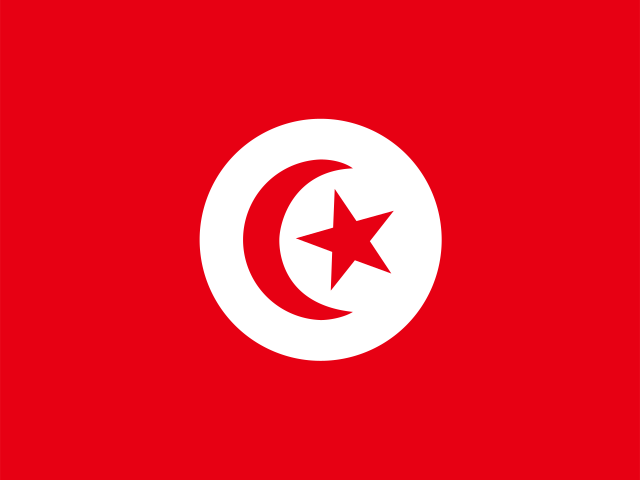
Tunisia mostly relies on gas imports to meet its primary energy needs: almost 97% of its electricity generation came from gas in 2016. However, energy policy puts the emphasis on renewable energy. Electricity generation from wind power strongly increased since 2014.
- Overview
- Energy mix
- Emissions
- Electricity
-
+ 5 pages
![Tunisia Flag]()
-
Rwanda
Rwanda included strong commitments to its intended nationally determined contribution (INDC) to the Paris Agreement. The country plans to increase its carbon sink capacity through sustainable forest management practices and to reduce emissions from the agricultural sector. In 2019, Rwanda’s energy mix was dominated by biomass and waste (74%) and oil products (20%), while natural gas, coal and hydro account for the rest of the energy supply. In 2020, less than 5% of the population had access to clean cooking and 50% had access to electricity. With annual access growth of more than 3 percentage points, Rwanda has shown…
- Overview
- Energy mix
- Emissions
- Electricity
-
+ 5 pages
![Rwanda Flag]()
-
Philippines
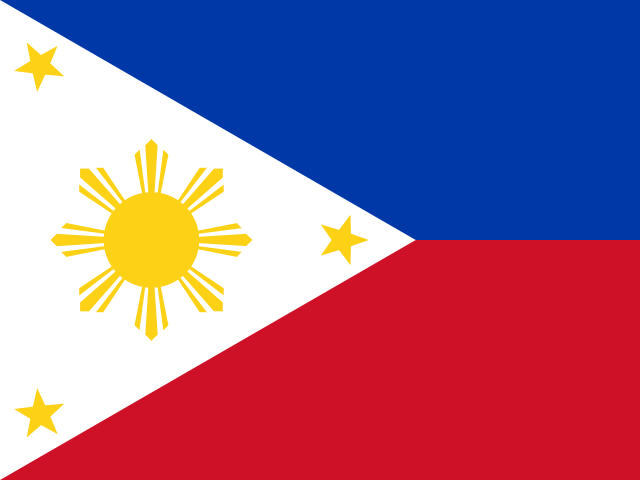
The Philippines has made significant progress in delivering electricity access, boosting the household electrification rate past 90% in 2016. The country is on track to meet the target of achieving universal electrification by 2022, as set out in the Philippine Development Plan 2017-2022.
- Overview
- Energy mix
- Emissions
- Electricity
-
+ 5 pages
![Philippines Flag]()