-
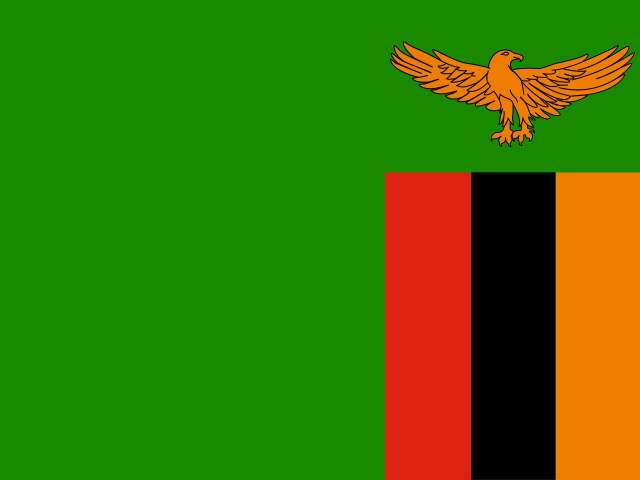
Zambia
Coal production is set to increase in Zambia, but exports remain limited to trade with neighbouring countries. The country has recently made good progress regarding electrification rates through a large push for mini-grid and off-grid solutions in rural areas.
- Overview
- Energy mix
- Emissions
- Electricity
-
+ 5 pages

![Zambia Flag]()
-
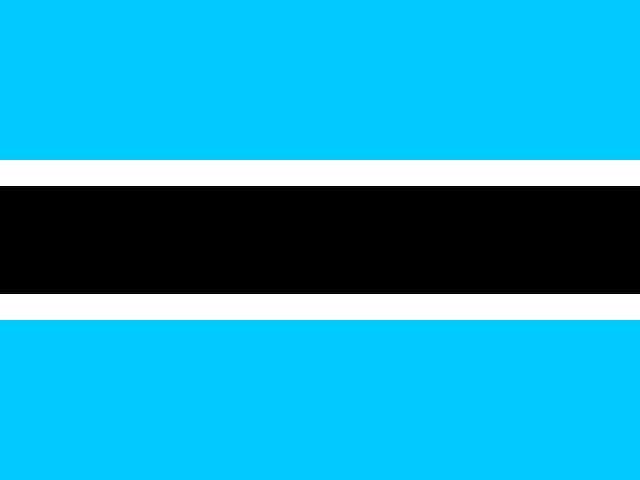
Botswana
Coal production is set to increase in Botswana, but exports remain limited and mainly involve trade with neighbouring countries. Regarding electrification rates, the country has recently made good progress through a large push for mini-grid and off-grid solutions in rural areas.
- Overview
- Energy mix
- Emissions
- Electricity
-
+ 5 pages
![Botswana Flag]()
-
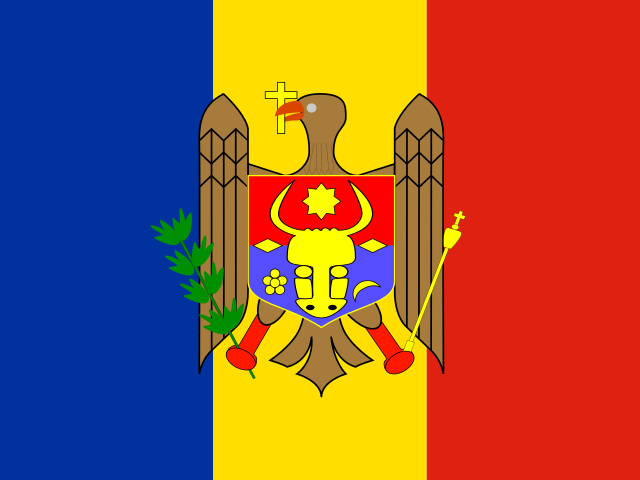
Moldova
Moldova is almost fully dependent on fossil fuel and electricity imports, with natural gas serving most of its energy needs. The government plans to diversify the energy mix with renewables such as wind and solar. Moldova is part of the EU4Energy Programme, which focuses on improving evidence-based policy making for the energy sector.
- Overview
- Energy mix
- Emissions
- Electricity
-
+ 5 pages

![Moldova Flag]()
-
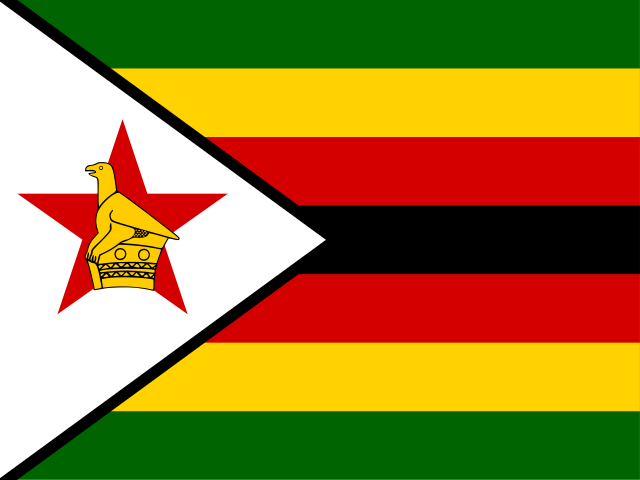
Zimbabwe
Zimbabwe holds large coal reserves and production is set to increase. The country has also significantly untapped its hydropower potential, even though the share of hydropower generation is gradually decreasing.
- Overview
- Energy mix
- Emissions
- Electricity
-
+ 5 pages
![Zimbabwe Flag]()
-
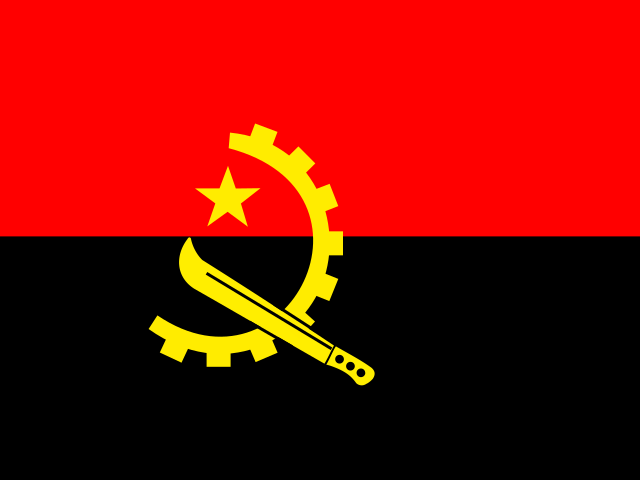
Angola
Angola is set to become the largest producer of crude oil in Southern Africa, yet has also set the foundation for the sustainable development of renewables, through investments and supportive measures. Angola has particularly strong hydropower generation potential that remains underutilised.
- Overview
- Energy mix
- Emissions
- Electricity
-
+ 5 pages
![Angola Flag]()
-
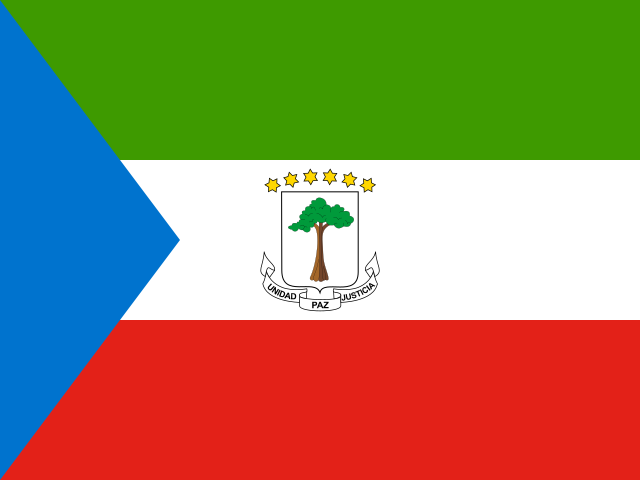
Equatorial Guinea
Electrification rates are relatively high in Equatorial Guinea at 66%. The country began oil production in the late 1990s and began LNG exports in 2007.
- Overview
- Energy mix
- Emissions
- Electricity
-
+ 5 pages
![Equatorial Guinea Flag]()
-
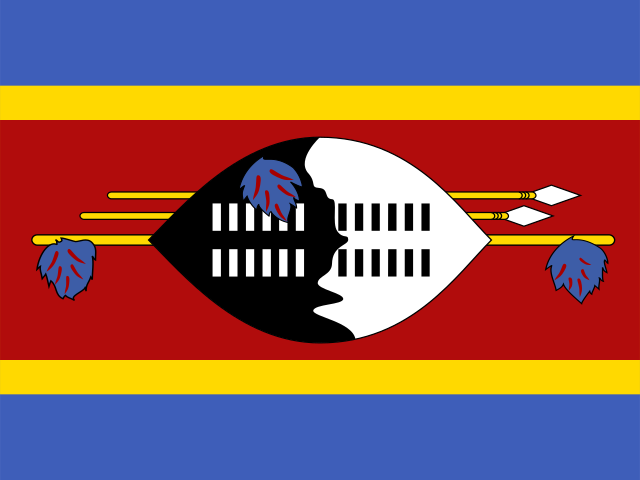
Eswatini
Eswatini
- Overview
- Energy mix
- Emissions
- Electricity
-
+ 5 pages
![Eswatini Flag]()
-
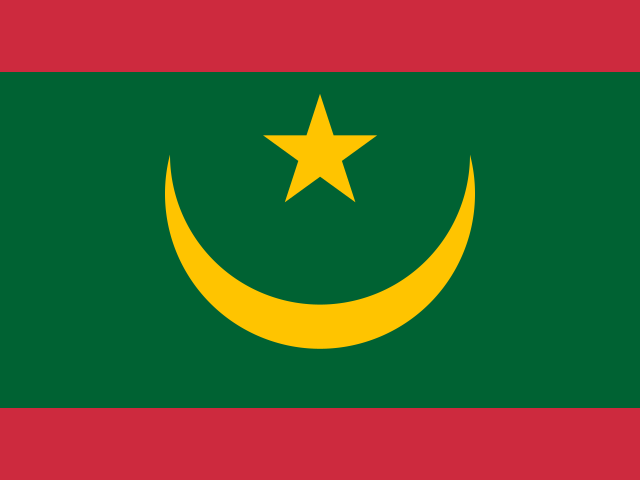
Mauritania
In 2019, Mauritania’s energy mix was dominated by oil products (65%) and biofuels and waste (32%). In 2020, 43% of the population had access to clean cooking which is the highest share in West Africa. In 2020, 47% of the population had access to electricity. For electricity access, the country targets universal access in urban areas and doubling of the current rate in rural areas by 2024, with country-wide universal access by 2030. For clean cooking, the target is 100% access to LPG in urban areas and 50% access to LPG in rural areas by 2030.
- Overview
- Energy mix
- Emissions
- Electricity
-
+ 5 pages
![Mauritania Flag]()
-
Madagascar
Around a quarter of the population of Madagascar has access to electricity, and only 1.5% has access to clean cooking facilities. In 2019, Madagascar’s energy mix was dominated by biofuels and wastes (85%), with oil products (11%), coal and hydro accounting for the rest of the total energy supply. In 2020, less than 5% of the population had access to clean cooking and 27% had access to electricity. The Government of Madagascar has set a target of reaching 70% electricity access rate by 2030.
- Overview
- Energy mix
- Emissions
- Electricity
-
+ 5 pages
![Madagascar Flag]()
-
Mauritius
The energy mix in Mauritius is dominated by coal and oil. Almost 10% of the country's final energy consumption is generated by modern renewable sources of energy – a share that has gradually decreased for the past 20 years.
- Overview
- Energy mix
- Emissions
- Electricity
-
+ 5 pages
![Mauritius Flag]()