-
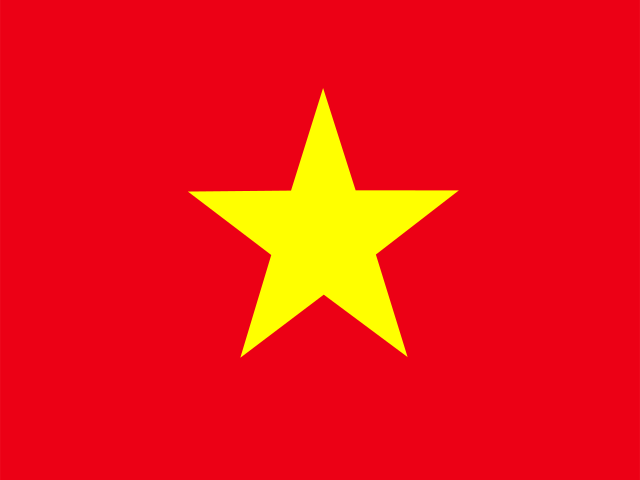
Viet Nam
In recent years, Viet Nam has increased its non-hydro renewable capacity targets in its power development plan, from 9.4% to 21% of total installed capacity in 2030, and decreased the share of coal-fired capacity from 52% to 43%.
- Overview
- Energy mix
- Emissions
- Electricity
-
+ 5 pages

![Viet Nam Flag]()
-
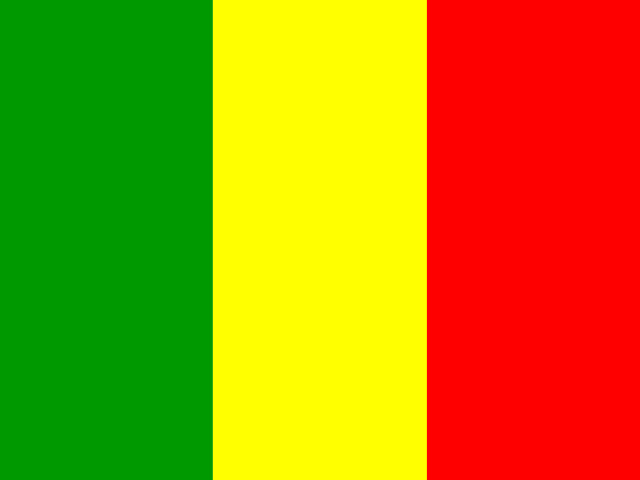
Mali
In recent years, the rate of access to electricity in Mali has surpassed 25%, thanks to a public focus on mini-grid solutions. The government of Mali now plans to increase hybridisation of its mini-grids by adding PV capacity to diesel power plants. In 2019, Mali’s energy mix was dominated by biofuels and wastes (65%) and oil products (32%), with coal and hydro accounting for the rest. In 2020, less than 5% of the population had access to clean cooking and 52% had access to electricity. For electricity access, the country targets 70% access by 2025, 80% by…
- Overview
- Energy mix
- Emissions
- Electricity
-
+ 5 pages

![Mali Flag]()
-
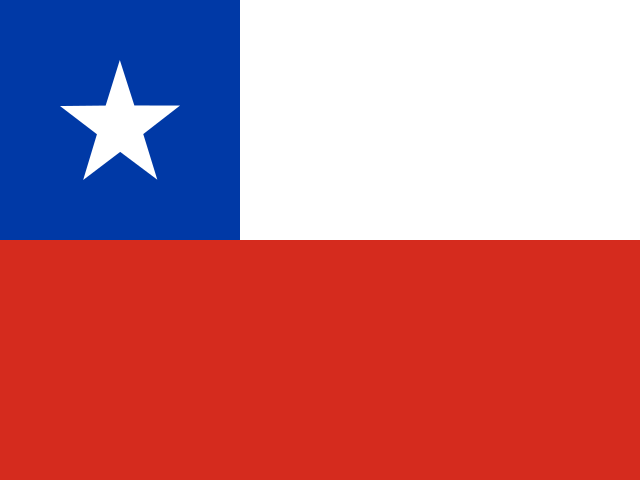
Chile
Chile’s energy policy has evolved dynamically in recent years. In response to changes in the domestic and international environment, significant institutional and policy reforms as well as major infrastructure projects have been carried out. In 2022, Chile’s Ministry of Energy published an update to its the Long-Term Energy Policy (PELP, first published in 2015), which re-emphasises the pledge to net-zero, laying out a clear decarbonisation pathway that addresses all sectors of the national economy.
Based on its excellent renewable energy resources, Chile has taken a globally leading role in clean energy, and emerged as a…- Overview
- Energy mix
- Emissions
- Electricity
-
+ 5 pages

![Chile Flag]()
-
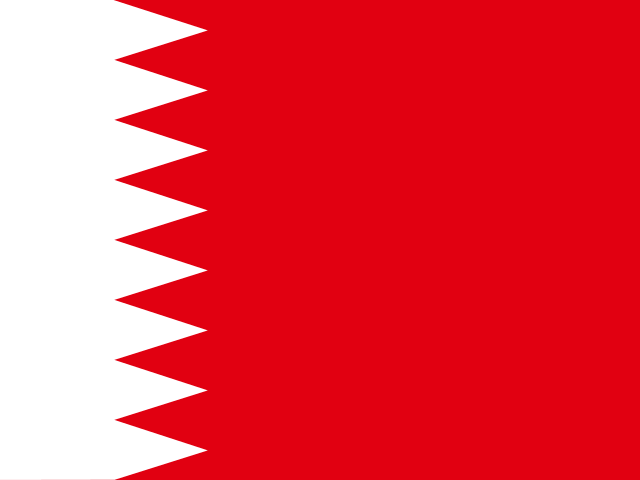
Bahrain
Bahrain's energy supply comes largely from the exploitation of its domestic fossil fuels resources. The country is also a major producer and exporter of oil, petroleum products and natural gas.
- Overview
- Energy mix
- Emissions
- Electricity
-
+ 5 pages

![Bahrain Flag]()
-
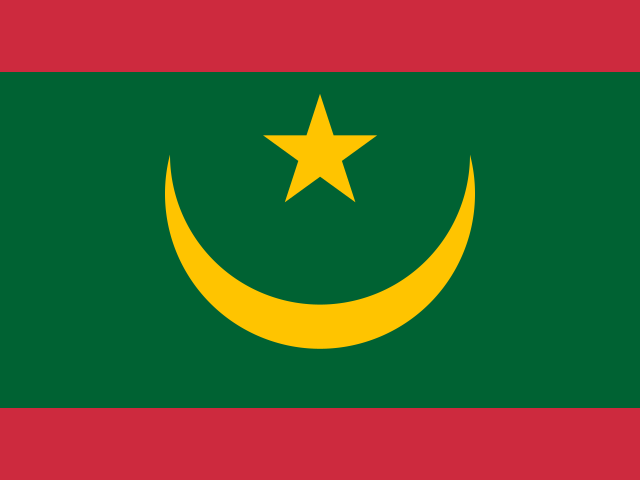
Mauritania
In 2019, Mauritania’s energy mix was dominated by oil products (65%) and biofuels and waste (32%). In 2020, 43% of the population had access to clean cooking which is the highest share in West Africa. In 2020, 47% of the population had access to electricity. For electricity access, the country targets universal access in urban areas and doubling of the current rate in rural areas by 2024, with country-wide universal access by 2030. For clean cooking, the target is 100% access to LPG in urban areas and 50% access to LPG in rural areas by 2030.
- Overview
- Energy mix
- Emissions
- Electricity
-
+ 5 pages
![Mauritania Flag]()
-
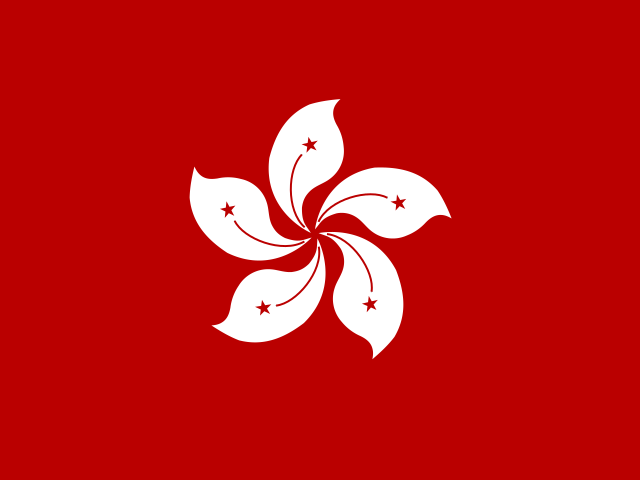
Hong Kong
Hong Kong
- Overview
- Energy mix
- Emissions
- Electricity
-
+ 5 pages
![Hong Kong Flag]()
-
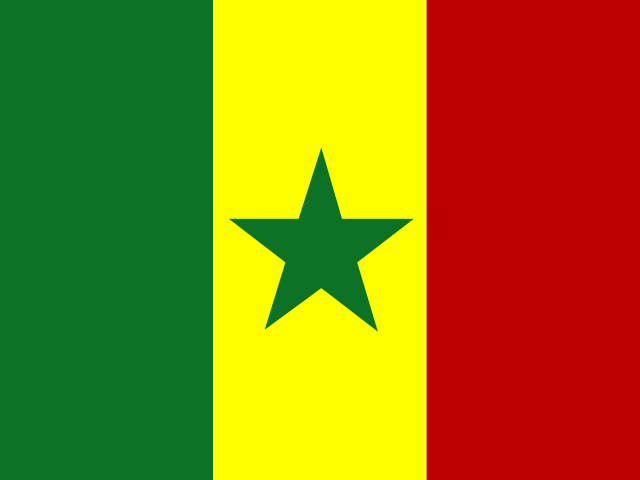
Senegal
In Senegal, 65% of the population has access to electricity. Strong policies and incentives have supported liquefied petroleum gas (LPG) use and less than 25% of the urban population now relies on solid biomass for cooking.
- Overview
- Energy mix
- Emissions
- Electricity
-
+ 5 pages
![Senegal Flag]()
-
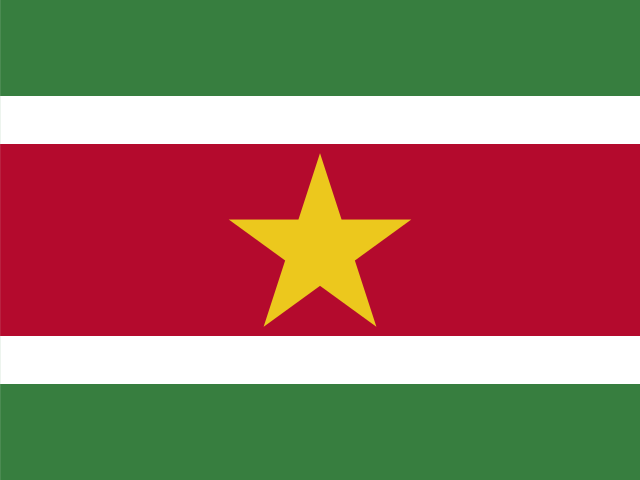
Suriname
The Intended Nationally Determined Contribution of Suriname to the Paris Agreement included commitments to improve sustainable forest management with the goal of enhancing the country's carbon sink potential, but no targets in terms of absolute or relative GHG emissions by 2030.
- Overview
- Energy mix
- Emissions
- Electricity
-
+ 5 pages
![Suriname Flag]()
-
Singapore
Singapore is the region’s second-largest gas importer. The country is expanding its existing LNG importing facility and is seeking to become a major LNG trading hub. Singapore’s relatively small import needs raise questions about how quickly the hub would reach sufficient liquidity to operate efficiently, but it is nonetheless well placed to bring Asian LNG buyers and sellers together and has taken a major step forward with the creation of an LNG price index: the “SLiNG”.
Singapore has made important moves towards liberalising its gas market, providing the basis for more competitive price setting. These moves include…- Overview
- Energy mix
- Emissions
- Electricity
-
+ 5 pages
![Singapore Flag]()
-
Nepal
Almost the totality of the electricity generated in Nepal comes from hydropower. Most of the energy supply is from biofuels and waste as 21 million people still rely on traditional biomass for cooking. In 2000, 81% did not have access to electricity but with remarkable efforts from the government, only 6% of the population remain without access today.
- Overview
- Energy mix
- Emissions
- Electricity
-
+ 5 pages
![Nepal Flag]()