-
South Africa
Coal is the mainstay of the South African energy system, meeting around 70% of installed power generation capacity. The 2019 Integrated Resource Plan however sets out a long-term diversification of the power mix by 2030 and moves towards lightening the carbon footprint of the energy sector while meeting growing energy demand and ensuring a socio-economically just transition. While the options to diversify the country's electricity mix appear diverse, the affordability of electricity supply looms as a key concern and a potential constraint on diversification. The structure of consumption and of spending on electricity is skewed towards higher…
- Overview
- Energy mix
- Emissions
- Electricity
-
+ 5 pages

![South Africa Flag]()
-
Libya
In 2013, the Libyan government launched the Renewable Energy Strategic 2013-2025 Plan, which aims to achieve 7% renewable energy contribution to the electric energy mix by 2020 and 10% by 2025. This will come from wind, Concentrated Solar Power, solar PV and solar heat.
- Overview
- Energy mix
- Emissions
- Electricity
-
+ 5 pages
![Libya Flag]()
-
Australia
Established under the 2022 Climate Change Act, Australia's climate goals include doubling emissions reductions by 2030 and reaching Net Zero emissions by 2050, while ensuring a just and inclusive energy transition through the guidance of the Net Zero Authority under the Prime Minister’s office. By 2030, the government aims to reach the clean electricity target of 82% of renewable energy. In addition to this target, Australia is implementing a new 2030 critical minerals strategy and gas market reforms to boost energy security during the transition. Flexibility, fuel availability and resilient infrastructure will become even more vital as Australia…
- Overview
- Energy mix
- Emissions
- Electricity
-
+ 5 pages

![Australia Flag]()
-
India
Energy demand in India is growing rapidly with major implications for the global energy market. The Government of India has made remarkable progress in providing access to electricity and clean cooking while implementing a range of energy market reforms and integrating a high share of renewable energy sources into the grid. India, with a population of 1.36 billion and a fast growing economy, has seen its energy demand increasing rapidly as the country continues to urbanize and the manufacturing sector develops. This growing demand is met through various energy sources, with coal set to remain the largest source of…
- Overview
- Energy mix
- Emissions
- Electricity
-
+ 5 pages
![India Flag]()
-
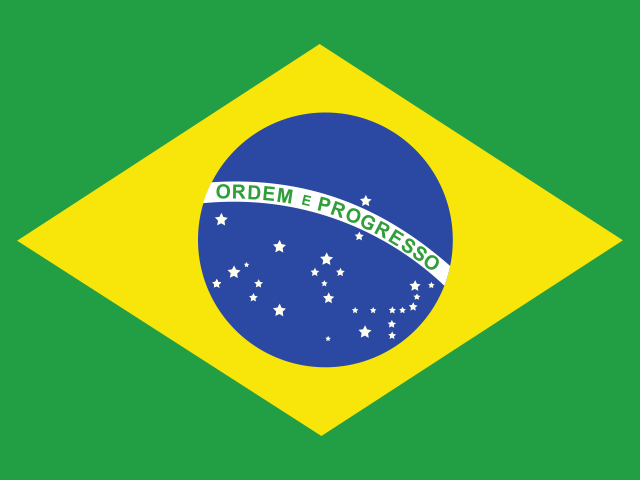
Brazil
Brazil’s energy policies measure up well against the world’s most urgent energy challenges. Access to electricity across the country is almost universal and renewables meet almost 45% of primary energy demand, making Brazil’s energy sector one of the least carbon-intensive in the world. Total primary energy demand has doubled in Brazil since 1990, led by strong growth in electricity consumption and in demand for transport fuels on the back of robust economic growth and a burgeoning middle class.
Large hydropower plants account for around 80% of domestic electricity generation, making the Brazilian electricity mix one of…- Overview
- Energy mix
- Emissions
- Electricity
-
+ 5 pages

![Brazil Flag]()
-
Nigeria
Nigeria is the largest economy and the richest oil resource centre of the African continent. The country also remains the largest gas consumer and producer of West Africa. Notable power sector reforms are underway in Nigeria, including plans for electrification.
- Overview
- Energy mix
- Emissions
- Electricity
-
+ 5 pages
![Nigeria Flag]()
-
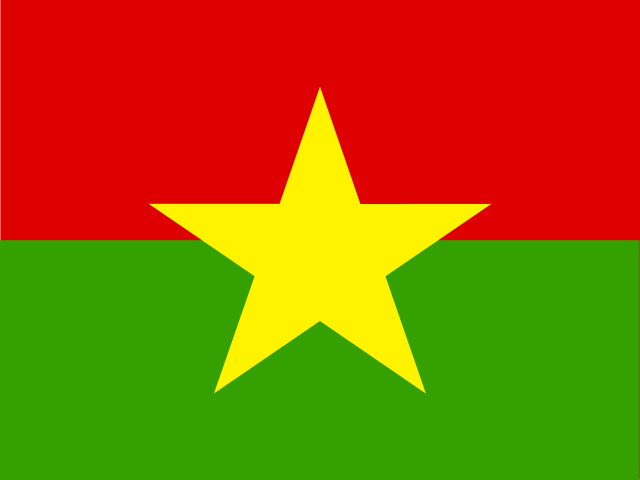
Burkina Faso
In 2019, Burkina Faso’s energy mix was dominated by biofuels and wastes, with oil products accounting for one-third of the total energy supply. In 2020, 11% of the population had access to clean cooking and only 21% had access to electricity, making Burkina Faso one of the world’s least-electrified countries. For electricity, the country has a target of 95% access for urban areas and 50% for rural areas by 2030. For clean cooking, Burkina Faso has a universal access target for urban areas and 65% in rural areas by 2030. The target for LPG urban penetration…
- Overview
- Energy mix
- Emissions
- Electricity
-
+ 5 pages
![Burkina Faso Flag]()
-
Singapore
Singapore is the region’s second-largest gas importer. The country is expanding its existing LNG importing facility and is seeking to become a major LNG trading hub. Singapore’s relatively small import needs raise questions about how quickly the hub would reach sufficient liquidity to operate efficiently, but it is nonetheless well placed to bring Asian LNG buyers and sellers together and has taken a major step forward with the creation of an LNG price index: the “SLiNG”.
Singapore has made important moves towards liberalising its gas market, providing the basis for more competitive price setting. These moves include…- Overview
- Energy mix
- Emissions
- Electricity
-
+ 5 pages
![Singapore Flag]()
-
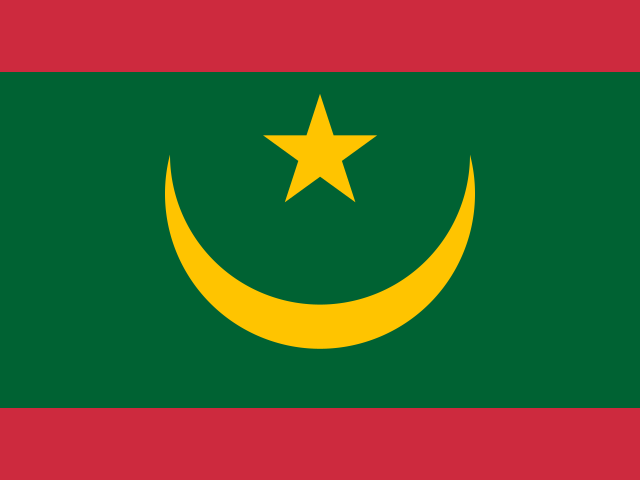
Mauritania
In 2019, Mauritania’s energy mix was dominated by oil products (65%) and biofuels and waste (32%). In 2020, 43% of the population had access to clean cooking which is the highest share in West Africa. In 2020, 47% of the population had access to electricity. For electricity access, the country targets universal access in urban areas and doubling of the current rate in rural areas by 2024, with country-wide universal access by 2030. For clean cooking, the target is 100% access to LPG in urban areas and 50% access to LPG in rural areas by 2030.
- Overview
- Energy mix
- Emissions
- Electricity
-
+ 5 pages
![Mauritania Flag]()
-
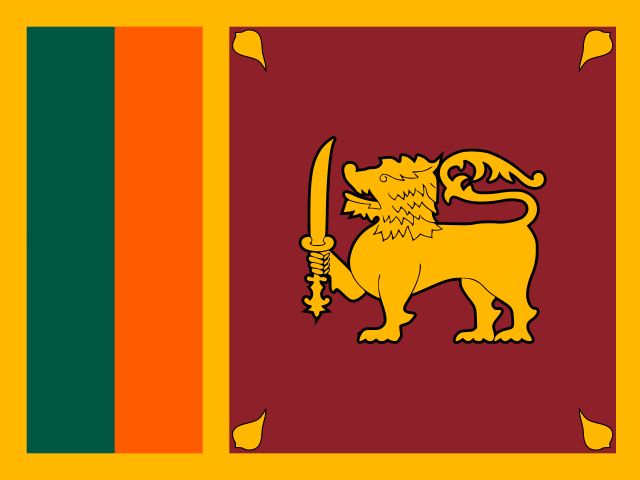
Sri Lanka
Sri Lanka’s primary energy supply mainly comes from oil and coal. Almost 40% of Sri Lanka’s electricity came from hydropower in 2017 but coal’s shares in power generation has been increasing since 2010. Sri Lanka is reaching universal access to electricity but clean cooking remain an issue with 15 million people still relying on biomass to cook.
- Overview
- Energy mix
- Emissions
- Electricity
-
+ 5 pages
![Sri Lanka Flag]()