-
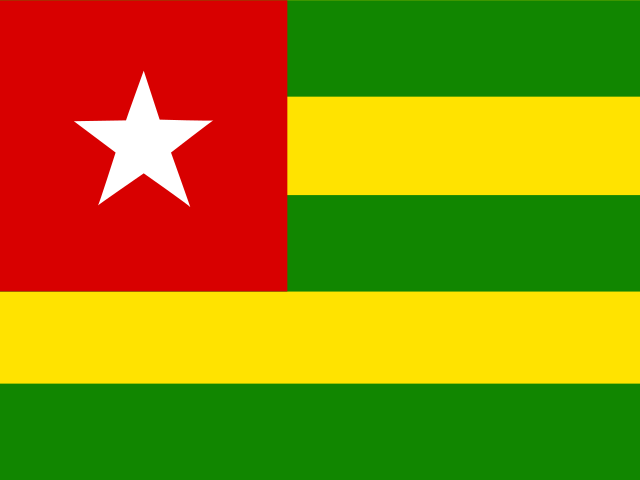
Togo
Less than half of the Togolese population has access to electricity. The country has a relatively diversified energy mix and more than 13% of its final energy consumption comes from renewable supplies of energy, mainly hydropower.
- Overview
- Energy mix
- Emissions
- Electricity
-
+ 5 pages

![Togo Flag]()
-
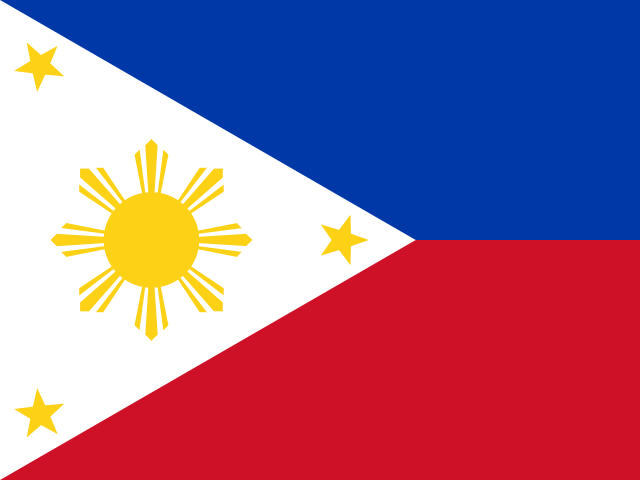
Philippines
The Philippines has made significant progress in delivering electricity access, boosting the household electrification rate past 90% in 2016. The country is on track to meet the target of achieving universal electrification by 2022, as set out in the Philippine Development Plan 2017-2022.
- Overview
- Energy mix
- Emissions
- Electricity
-
+ 5 pages

![Philippines Flag]()
-
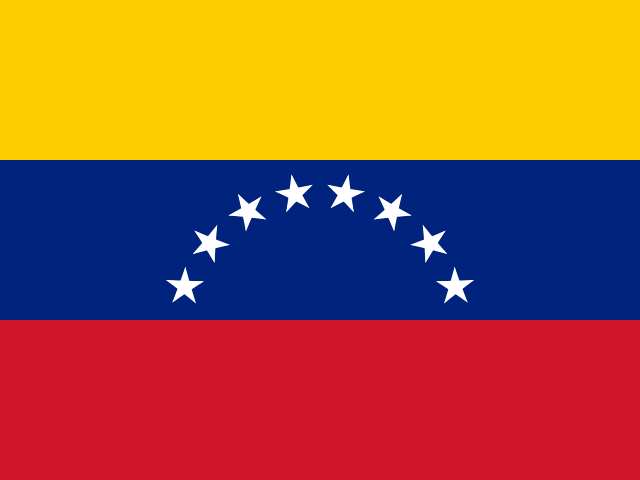
Venezuela
The Venezuela Plan for the National Electric System aims to integrate renewables in the power system by including it in medium and long-term strategies. It aims to develop the use of renewables within isolated rural communities including solar, small hydro and biogas.
- Overview
- Energy mix
- Emissions
- Electricity
-
+ 5 pages

![Venezuela Flag]()
-
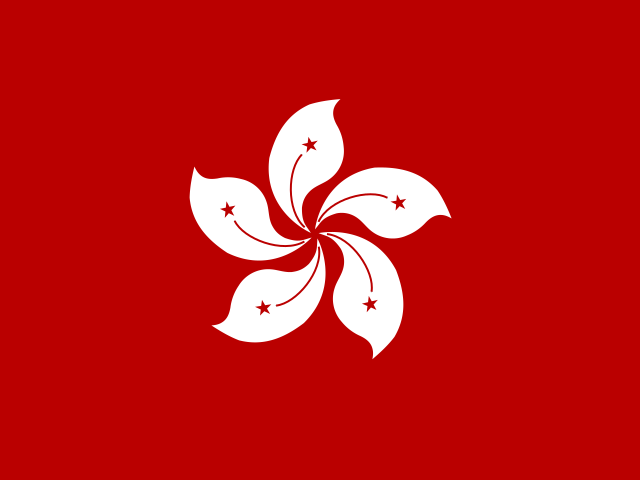
Hong Kong
Hong Kong
- Overview
- Energy mix
- Emissions
- Electricity
-
+ 5 pages
![Hong Kong Flag]()
-
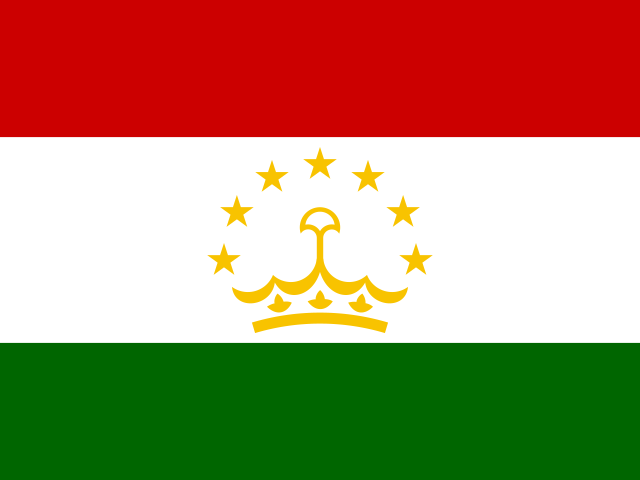
Tajikistan
Hydropower is the main source of energy in Tajikistan, followed by imported oil, gas and coal. However, Tajikistan's energy sector is prone to supply shocks, due to seasonal shortages. Energy policy focuses on providing uninterrupted energy access to all users while improving regional co‑operation and energy sector efficiency, but significant domestic and foreign investment will be necessary for continued energy sector development. Tajikistan is part of the EU4Energy Programme, an initiative focused on evidence-based policymaking for the energy sector.
- Overview
- Energy mix
- Emissions
- Electricity
-
+ 5 pages

![Tajikistan Flag]()
-
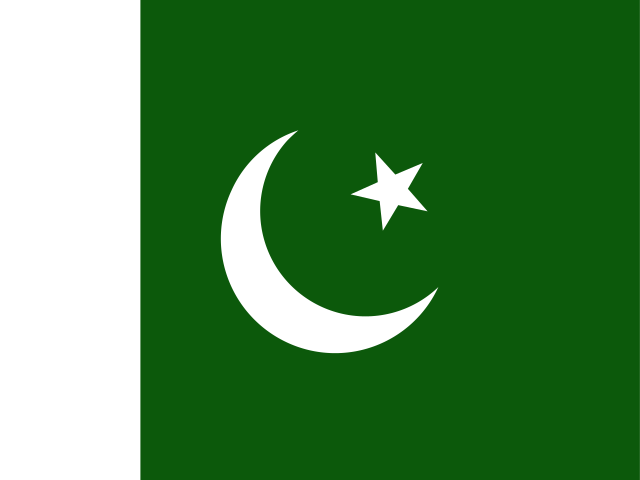
Pakistan
In Pakistan, most of the primary energy supply comes from oil and natural gas. Hydropower is the main renewable source of energy in the country but wind and solar PV’s shares are slowly growing. More than 40 million people remain without access to electricity and half the population lack access to clean cooking facilities.
- Overview
- Energy mix
- Emissions
- Electricity
-
+ 5 pages
![Pakistan Flag]()
-
Jamaica
The government of Jamaica adopted a national Energy Policy in 2010 , which establishes a goal of 20% of renewable energy in the energy mix by 2030. This Strategic Framework also addresses both the supply and demand energy issues that the country faces.
- Overview
- Energy mix
- Emissions
- Electricity
-
+ 5 pages
![Jamaica Flag]()
-
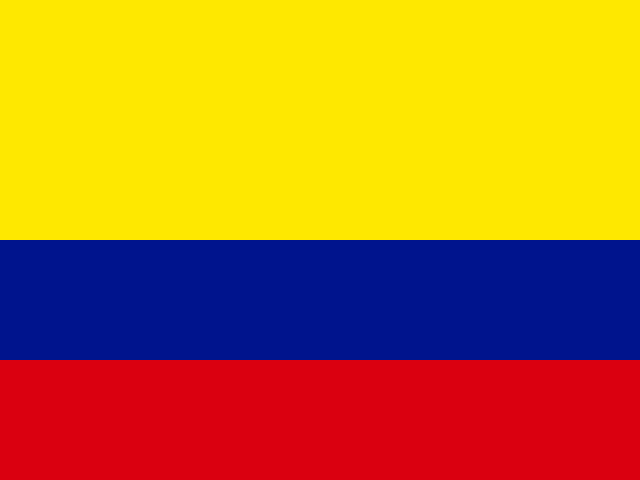
Colombia
Colombia launched the Energy Plan 2050 in 2016 , which aims to diversify the country’s energy resources and ensure a reliable energy supply by including wind power plants, solar PV and geothermal energy generation in the country's electric mix.
- Overview
- Energy mix
- Emissions
- Electricity
-
+ 5 pages
![Colombia Flag]()
-
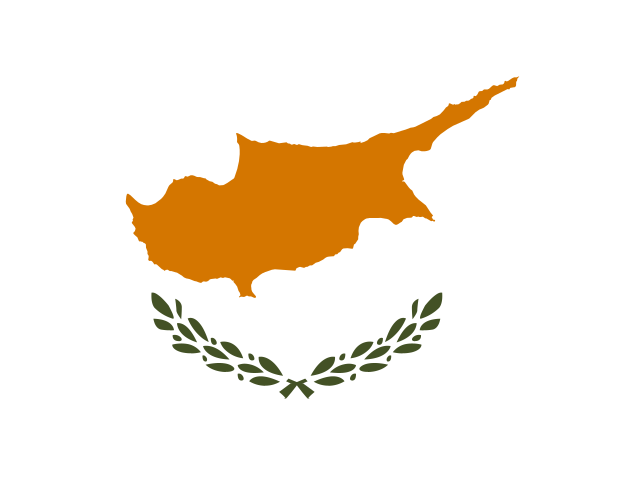
Cyprus
Cyprus adopted the Law on the Promotion of Renewable Energy and Energy Efficiency in the early 2010s, which creates a fund that finances the premium tariff and other costs related to renewable electricity generation.
Note by the Republic of Türkiye (Türkiye): The information in this document with reference to Cyprus relates to the southern part of the Island. There is no single authority representing both Turkish and Greek Cypriot people on the Island. Türkiye recognises the Turkish Republic of Northern Cyprus (TRNC). Until a lasting and equitable solution is found within the context of United Nations, Türkiye shall preserve its…- Overview
- Energy mix
- Emissions
- Electricity
-
+ 5 pages

![Cyprus Flag]()
-
Iran
Iran has in place legislation obliging the Minister of Energy to increase the share of renewables and clean power plants to at least 5% of the country's capacity until the end of 2021.
- Overview
- Energy mix
- Emissions
- Electricity
-
+ 5 pages

![Iran Flag]()