-
Dominican Republic
Dominican Republic has adopted a law on incentives for the development of renewable energy sources, which aims to increase the diversity of energy sources, reduce dependence on imported fossil fuels and stimulate investment in renewable energy.
- Overview
- Energy mix
- Emissions
- Electricity
-
+ 5 pages

![Dominican Republic Flag]()
-
Senegal
In Senegal, 65% of the population has access to electricity. Strong policies and incentives have supported liquefied petroleum gas (LPG) use and less than 25% of the urban population now relies on solid biomass for cooking.
- Overview
- Energy mix
- Emissions
- Electricity
-
+ 5 pages

![Senegal Flag]()
-
Myanmar
In Myanmar, a steep increase in the share of gas-fired power generation reflects a push to take advantage of its abundant domestic resources. The country however has ample scope to rely on renewables in its electrification strategy.
- Overview
- Energy mix
- Emissions
- Electricity
-
+ 5 pages

![Myanmar Flag]()
-
Cote D’Ivoire
Most of Cote d'Ivoire's primary energy demand is covered by local oil refinery supplies and domestic gas production. Almost 60% of the population had access to electricity in the country in 2017, a 10-percentage point’s increase from 2015.
- Overview
- Energy mix
- Emissions
- Electricity
-
+ 5 pages
![Cote D’Ivoire Flag]()
-
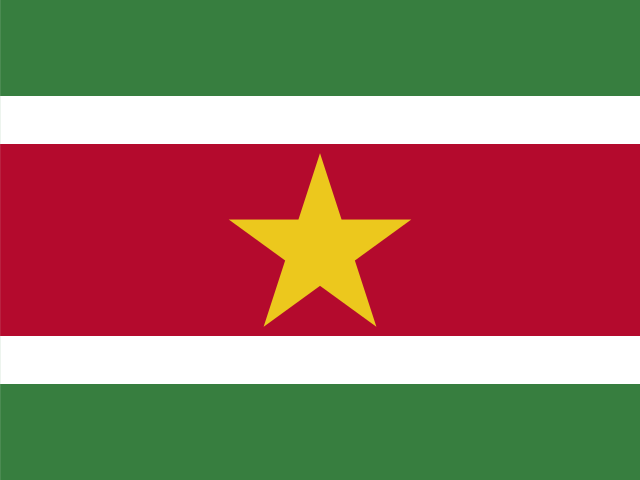
Suriname
The Intended Nationally Determined Contribution of Suriname to the Paris Agreement included commitments to improve sustainable forest management with the goal of enhancing the country's carbon sink potential, but no targets in terms of absolute or relative GHG emissions by 2030.
- Overview
- Energy mix
- Emissions
- Electricity
-
+ 5 pages
![Suriname Flag]()
-
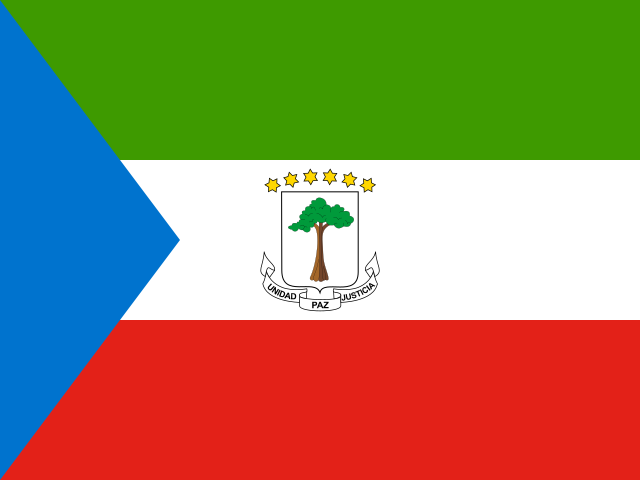
Equatorial Guinea
Electrification rates are relatively high in Equatorial Guinea at 66%. The country began oil production in the late 1990s and began LNG exports in 2007.
- Overview
- Energy mix
- Emissions
- Electricity
-
+ 5 pages
![Equatorial Guinea Flag]()
-
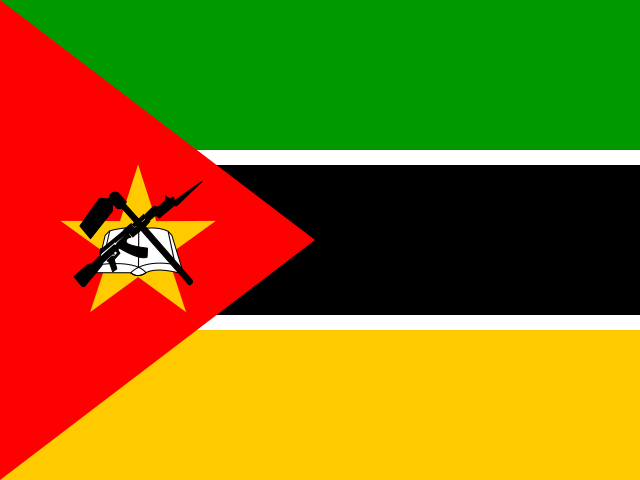
Mozambique
In Mozambique, around 40% of people have access to electricity, through the grid or mini/off-grid systems. The government has promoted solar PV solutions in rural areas, reporting that 700 schools and 800 other public buildings now have electricity from solar.
- Overview
- Energy mix
- Emissions
- Electricity
-
+ 5 pages
![Mozambique Flag]()
-
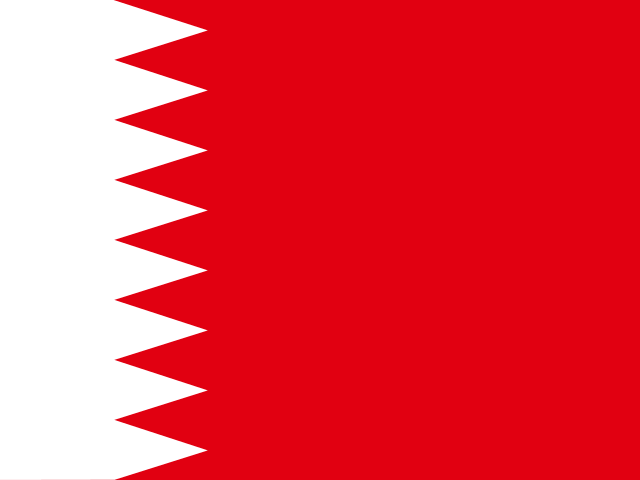
Bahrain
Bahrain's energy supply comes largely from the exploitation of its domestic fossil fuels resources. The country is also a major producer and exporter of oil, petroleum products and natural gas.
- Overview
- Energy mix
- Emissions
- Electricity
-
+ 5 pages

![Bahrain Flag]()
-
Benin
Benin is reliant on electricity imports for a significant share of its energy supply. Reform programmes, including plans for electrification, have been put in place in the country, where only 30% of the population had access to electricity in 2017.
- Overview
- Energy mix
- Emissions
- Electricity
-
+ 5 pages
![Benin Flag]()
-
Cuba
Cuba’s energy supply mainly comes from oil products, accounting for over 80% of power generation.
- Overview
- Energy mix
- Emissions
- Electricity
-
+ 5 pages
![Cuba Flag]()