-
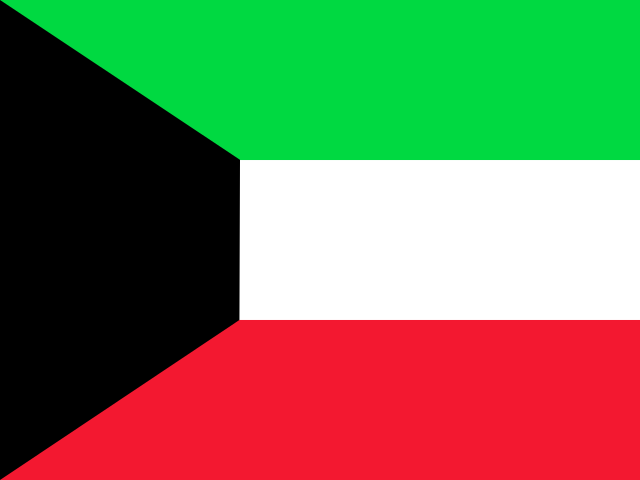
Kuwait
Kuwait is wholly reliant on fossil fuels for energy generation and by 2030, its energy demand will triple. In order to diversify its energy mix, the country targets to increase the share of renewable generation to 15% by 2030.
- Overview
- Energy mix
- Emissions
- Electricity
-
+ 5 pages

![Kuwait Flag]()
-
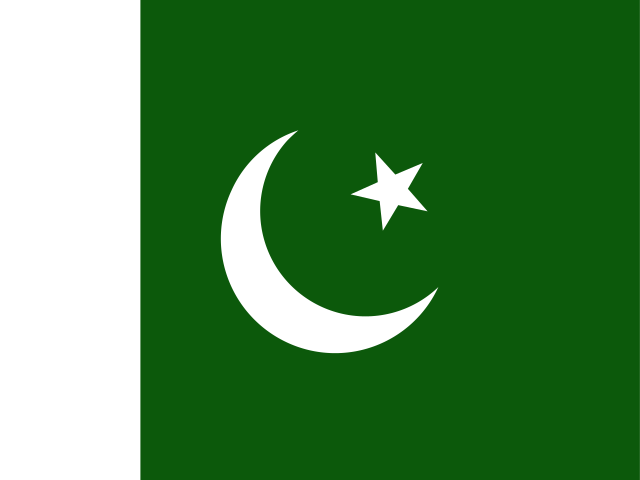
Pakistan
In Pakistan, most of the primary energy supply comes from oil and natural gas. Hydropower is the main renewable source of energy in the country but wind and solar PV’s shares are slowly growing. More than 40 million people remain without access to electricity and half the population lack access to clean cooking facilities.
- Overview
- Energy mix
- Emissions
- Electricity
-
+ 5 pages

![Pakistan Flag]()
-
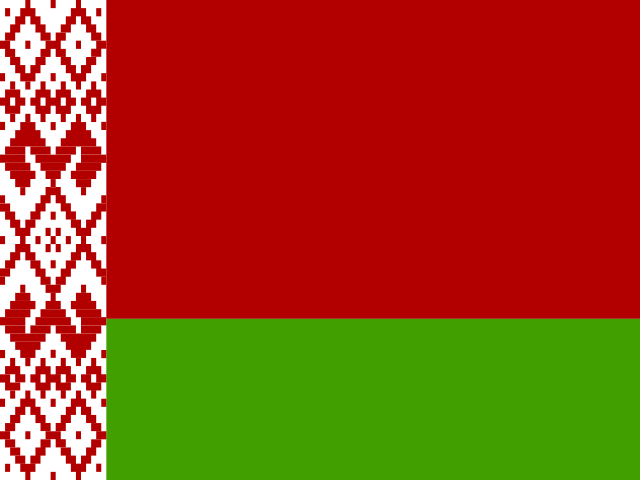
Belarus
Energy policy in Belarus focuses on providing reliable energy while reducing import–dependence, particularly on natural gas from a single supplier. The government is contemplating attractive investment measures and fuel diversification to reduce natural gas consumption and include more coal and renewables into the country's energy mix, while developing local energy sources and introducing nuclear power.
Belarus has also prioritized improving energy efficiency in electricity and heat production and is phasing out subsidies for electricity, heat and gas, which is expected to make the energy sector more market-focused and investor-friendly. Belarus is part of the EU4Energy Programme…- Overview
- Energy mix
- Emissions
- Electricity
-
+ 5 pages

![Belarus Flag]()
-
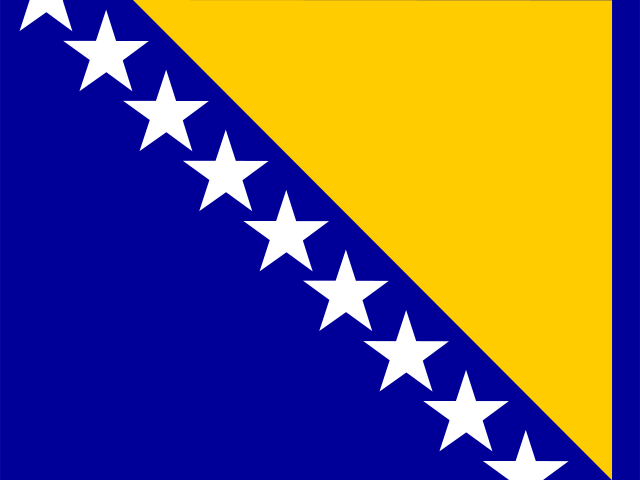
Bosnia and Herzegovina
Bosnia and Herzegovina adopted a National Environmental Action Plan, which provides action path to address the major environmental issues of the country. In the energy sector the target will be achieved by increasing energy efficiency and usage of renewables (hydro, solar, wind and geothermal energy).
- Overview
- Energy mix
- Emissions
- Electricity
-
+ 5 pages
![Bosnia and Herzegovina Flag]()
-
Haiti
Haiti
- Overview
- Energy mix
- Emissions
- Electricity
-
+ 5 pages

![Haiti Flag]()
-
Rwanda
Rwanda included strong commitments to its intended nationally determined contribution (INDC) to the Paris Agreement. The country plans to increase its carbon sink capacity through sustainable forest management practices and to reduce emissions from the agricultural sector. In 2019, Rwanda’s energy mix was dominated by biomass and waste (74%) and oil products (20%), while natural gas, coal and hydro account for the rest of the energy supply. In 2020, less than 5% of the population had access to clean cooking and 50% had access to electricity. With annual access growth of more than 3 percentage points, Rwanda has shown…
- Overview
- Energy mix
- Emissions
- Electricity
-
+ 5 pages

![Rwanda Flag]()
-
Kosovo
This designation is without prejudice to positions on status, and is in line with United Nations Security Council Resolution 1244/99 and the Opinion of the International Court of Justice on Kosovo’s declaration of independence.
- Overview
- Energy mix
- Emissions
- Electricity
-
+ 5 pages
![Kosovo Flag]()
-
Dominican Republic
Dominican Republic has adopted a law on incentives for the development of renewable energy sources, which aims to increase the diversity of energy sources, reduce dependence on imported fossil fuels and stimulate investment in renewable energy.
- Overview
- Energy mix
- Emissions
- Electricity
-
+ 5 pages
![Dominican Republic Flag]()
-
Moldova
Moldova is almost fully dependent on fossil fuel and electricity imports, with natural gas serving most of its energy needs. The government plans to diversify the energy mix with renewables such as wind and solar. Moldova is part of the EU4Energy Programme, which focuses on improving evidence-based policy making for the energy sector.
- Overview
- Energy mix
- Emissions
- Electricity
-
+ 5 pages
![Moldova Flag]()
-
Iron and steel
Iron and steel