-
Colombia
Colombia launched the Energy Plan 2050 in 2016 , which aims to diversify the country’s energy resources and ensure a reliable energy supply by including wind power plants, solar PV and geothermal energy generation in the country's electric mix.
- Overview
- Energy mix
- Emissions
- Electricity
-
+ 5 pages

![Colombia Flag]()
-
Senegal
In Senegal, 65% of the population has access to electricity. Strong policies and incentives have supported liquefied petroleum gas (LPG) use and less than 25% of the urban population now relies on solid biomass for cooking.
- Overview
- Energy mix
- Emissions
- Electricity
-
+ 5 pages

![Senegal Flag]()
-
Slovak Republic
The key objectives of the Slovak energy policy agenda are: increasing efficiency in the power and end‐use sectors, reducing energy intensity, reducing dependence on energy imports, expanding the use of nuclear power, increasing the share of renewables in the heat and electricity sectors, and supporting the use of alternative fuels for transport. With these sound objectives in place, the government should now focus on the cost‐effective implementation of concrete actions. Mining of coal for electricity production ended in 2023 and an additional nuclear unit was commissioned. The country remains dependent on energy imports from Russia, making energy security…
- Overview
- Energy mix
- Emissions
- Electricity
-
+ 5 pages

![Slovak Republic Flag]()
-
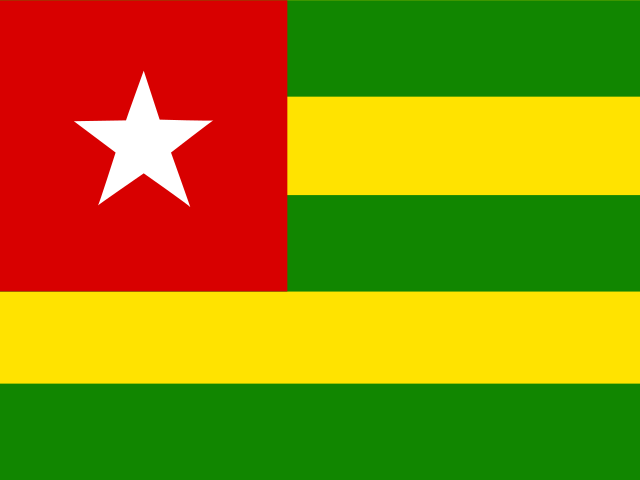
Togo
Less than half of the Togolese population has access to electricity. The country has a relatively diversified energy mix and more than 13% of its final energy consumption comes from renewable supplies of energy, mainly hydropower.
- Overview
- Energy mix
- Emissions
- Electricity
-
+ 5 pages
![Togo Flag]()
-
Qatar
Qatar is a major producer and exporter of natural gas, oil and oil products. Its domestic oil and gas productions entirely cover the country’s energy needs.
- Overview
- Energy mix
- Emissions
- Electricity
-
+ 5 pages

![Qatar Flag]()
-
Gabon
Almost two-thirds of the population of Gabon has access to electricity. The country can partially rely on its 150 thousand barrels per day hydrocarbon liquids production and has recently implemented a new petroleum legislation.
- Overview
- Energy mix
- Emissions
- Electricity
-
+ 5 pages
![Gabon Flag]()
-
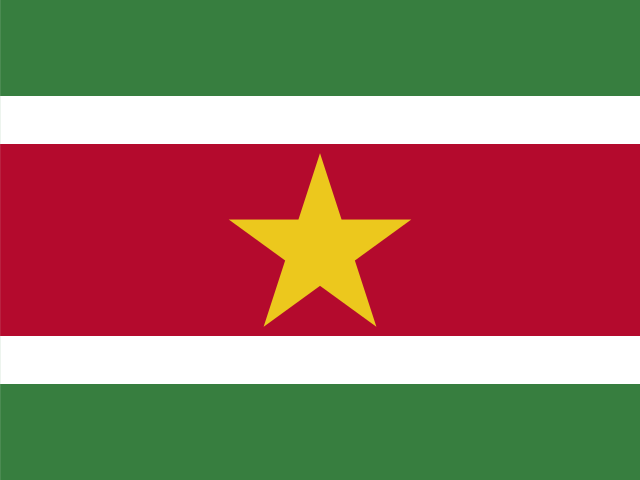
Suriname
The Intended Nationally Determined Contribution of Suriname to the Paris Agreement included commitments to improve sustainable forest management with the goal of enhancing the country's carbon sink potential, but no targets in terms of absolute or relative GHG emissions by 2030.
- Overview
- Energy mix
- Emissions
- Electricity
-
+ 5 pages
![Suriname Flag]()
-
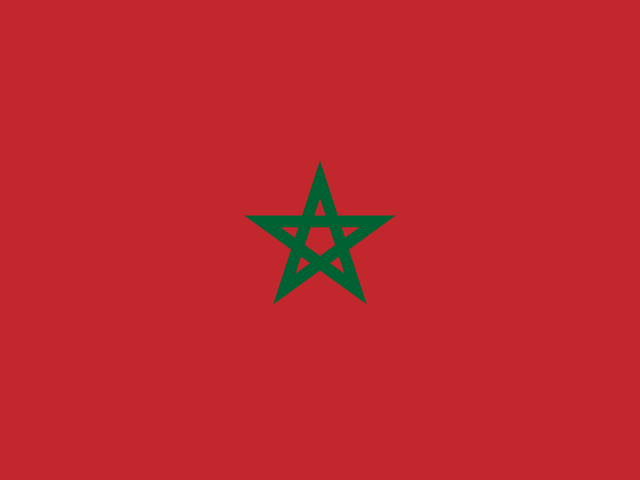
Morocco
The government has stepped up its role in international action on climate change, ratifying the Paris Agreement, setting a new national climate policy and hosting the United Nations Conference of Parties (COP22) summit in Marrakesh in 2016.
The development of renewables is helping to improve energy security as well as deliver on Morocco’s clean energy and climate change commitments. Morocco is making strong progress towards affordable, reliable, sustainable and modern energy in line with the United Nations Sustainable Development Goals (SDG 7). The government has achieved almost full access to electricity for its rural population, and it is developing…- Overview
- Energy mix
- Emissions
- Electricity
-
+ 5 pages
![Morocco Flag]()
-
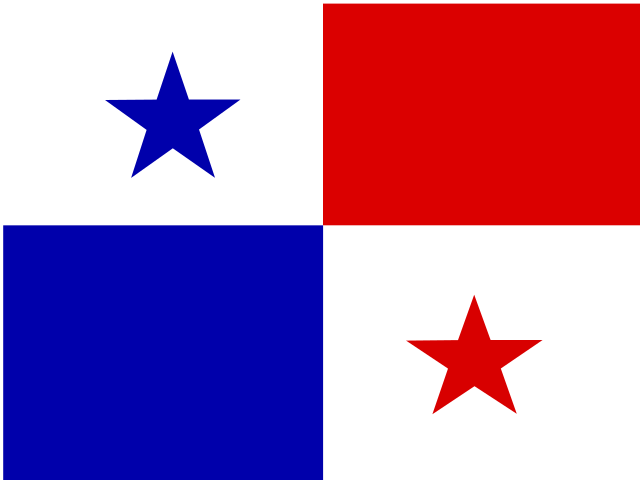
Panama
Panama's National Energy Plan 2015–2050 outlines long-term strategy for the country’s energy sector development, including renewables. The Plan established that 15% of Panama’s generation capacity will come from renewables by 2030 and 50% by 2050.
- Overview
- Energy mix
- Emissions
- Electricity
-
+ 5 pages
![Panama Flag]()
-
Peru
Peru’s government identified the development of electricity from renewable energy sources as a public necessity of national interest. The country established a National Renewable Energy Development Plan to be funded by the Annual Budget Law, external debt operations, direct investments and contributions from international institutions.
- Overview
- Energy mix
- Emissions
- Electricity
-
+ 5 pages
![Peru Flag]()