-
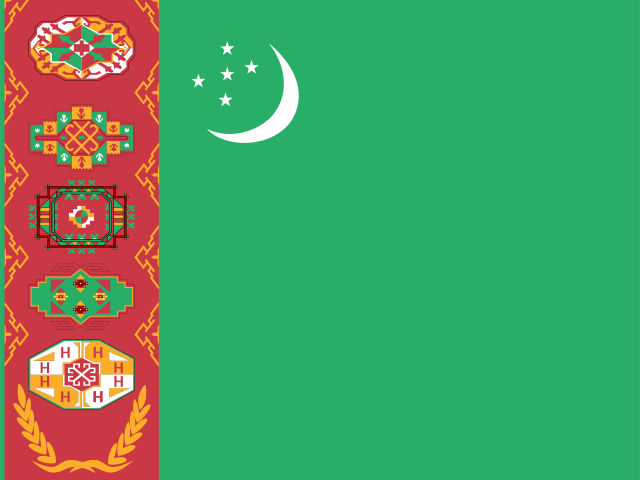
Turkmenistan
Turkmenistan’s government is continuously investing in oil and gas, to modernise and expand the electricity and heat sector by 2020. Moreover, the energy sector is almost fully subsidised, with citizens receiving free electricity, heat and gas up to a certain level of consumption, until 2030, but the government is taking steps to reduce subsidies to curb domestic demand and increase exports. Turkmenistan is part of the EU4Energy Programme, an initiative focused on evidence-based policymaking for the energy sector.
- Overview
- Energy mix
- Emissions
- Electricity
-
+ 5 pages

![Turkmenistan Flag]()
-
United Kingdom
The United Kingdom has been an early player in the energy transition, being among the first countries to set a net zero target by 2050 and to put in place carbon budgets. UK emissions have already fallen by around 50% since 1990, indicating a strong start. Looking ahead, an important pillar of the energy transition will be decarbonising the power sector through sizeable new investments in renewables and nuclear while also focusing on new technologies such as CCUS, hydrogen and small modular reactors. As a historic oil and gas producer, the UK is looking to address declining North Sea production…
- Overview
- Energy mix
- Emissions
- Electricity
-
+ 5 pages

![United Kingdom Flag]()
-
Albania
Albania’s Ministry of Energy recently launched an auction round for the construction of the country’s first large-scale solar plant. The country also has a National Strategy of Energy, which aims to develop an effective energy sector that guarantees security of energy supply and efficient use of energy.
- Overview
- Energy mix
- Emissions
- Electricity
-
+ 5 pages
![Albania Flag]()
-
Costa Rica
Costa Rica’s energy policy aims to move from a fossil fuels based energy system towards renewable energy sources and to expand its power generation capacity, replacing old power generating stations and developing new projects.
- Overview
- Energy mix
- Emissions
- Electricity
-
+ 5 pages

![Costa Rica Flag]()
-
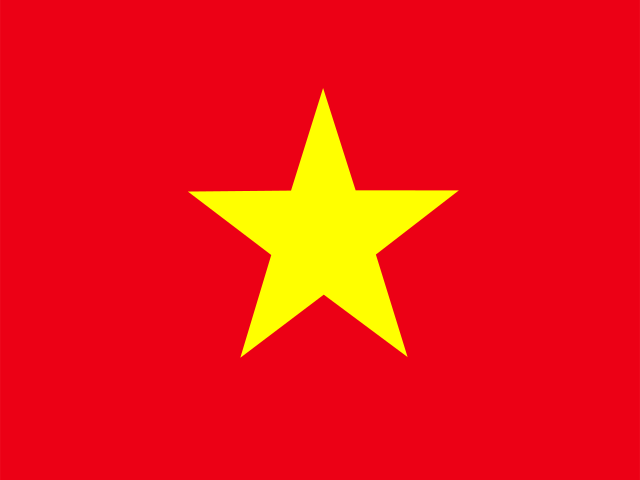
Viet Nam
In recent years, Viet Nam has increased its non-hydro renewable capacity targets in its power development plan, from 9.4% to 21% of total installed capacity in 2030, and decreased the share of coal-fired capacity from 52% to 43%.
- Overview
- Energy mix
- Emissions
- Electricity
-
+ 5 pages

![Viet Nam Flag]()
-
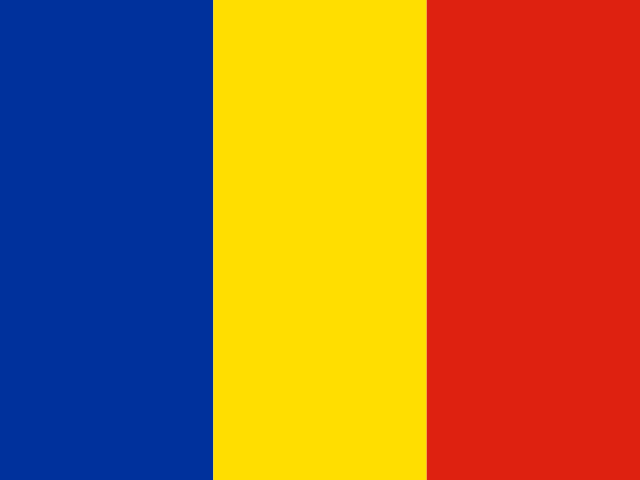
Romania
By 2020, the objective of Romania is to guarantee the efficient operation of its energy system under security conditions. Romania also plans to meet the obligations set by EU in terms of greenhouse gas emissions through its legislative package “Climate changes – renewable energies”.
- Overview
- Energy mix
- Emissions
- Electricity
-
+ 5 pages
![Romania Flag]()
-
Dominican Republic
Dominican Republic has adopted a law on incentives for the development of renewable energy sources, which aims to increase the diversity of energy sources, reduce dependence on imported fossil fuels and stimulate investment in renewable energy.
- Overview
- Energy mix
- Emissions
- Electricity
-
+ 5 pages
![Dominican Republic Flag]()
-
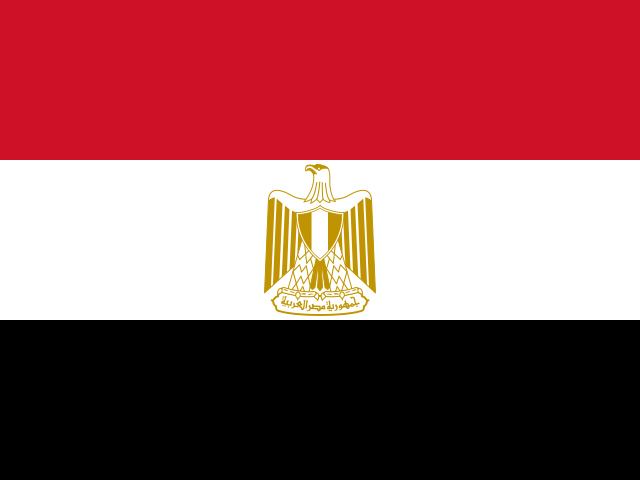
Egypt
Egypt has initiated a number of energy sector reforms, gradually reducing electricity subsidies and introducing feed-in tariffs to promote renewable energy production. The energy sector reforms recently initiated by the country have resulted in a significant increase in investments which have boosted electricity production over the last 5 years and ensured a stable supply across the country.
Egypt also has plans to increase the share of renewables in the electricity mix to 42% by 2035.- Overview
- Energy mix
- Emissions
- Electricity
-
+ 5 pages

![Egypt Flag]()
-
Lithuania
Lithuania has undergone several energy transitions over the past decade. Despite importing a large share of its electricity, the country successfully ended its reliance on Russian energy imports in March 2022. Along with its neighbours, Estonia and Latvia, Lithuania disconnected from the Russian electricity system and completed the synchronisation of its grid with the Continental European Synchronous Area (CESA) in February 2025. By 2030, Lithuania aims to shift from being an electricity importer to becoming a net exporter. Although the country’s energy consumption still depends heavily on imported fossil fuels, the share of bioenergy in the domestic energy supply…
- Overview
- Energy mix
- Emissions
- Electricity
-
+ 5 pages
![Lithuania Flag]()
-
Eritrea
Less than half of the population of Eritrea has access to electricity. Most of the country's electricity generation comes from imported oil.
- Overview
- Energy mix
- Emissions
- Electricity
-
+ 5 pages
![Eritrea Flag]()