-
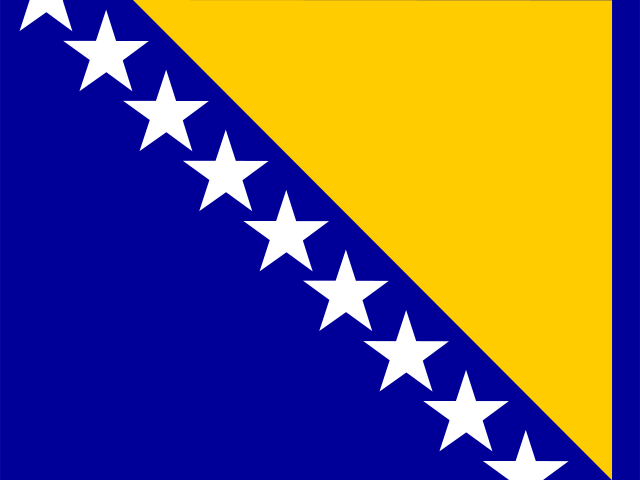
Bosnia and Herzegovina
Bosnia and Herzegovina adopted a National Environmental Action Plan, which provides action path to address the major environmental issues of the country. In the energy sector the target will be achieved by increasing energy efficiency and usage of renewables (hydro, solar, wind and geothermal energy).
- Overview
- Energy mix
- Emissions
- Electricity
-
+ 5 pages

![Bosnia and Herzegovina Flag]()
-
Peter Zeniewski
Senior Energy Analyst. Dr. Peter Zeniewski is a Senior Energy Analyst at the IEA. His main area of focus is the outlook for natural gas and LNG – covering long-term assessments of supply, demand, trade, investment and pricing. He has also led projects on energy affordability, biogases, India’s energy outlook, and emissions from oil and gas supply. Prior to joining the IEA, Peter was a Chancellor’s Fellow at the University of Edinburgh and held positions at the European Commission and Wood Mackenzie. He holds a PhD in International Relations from the University of Oxford.

-
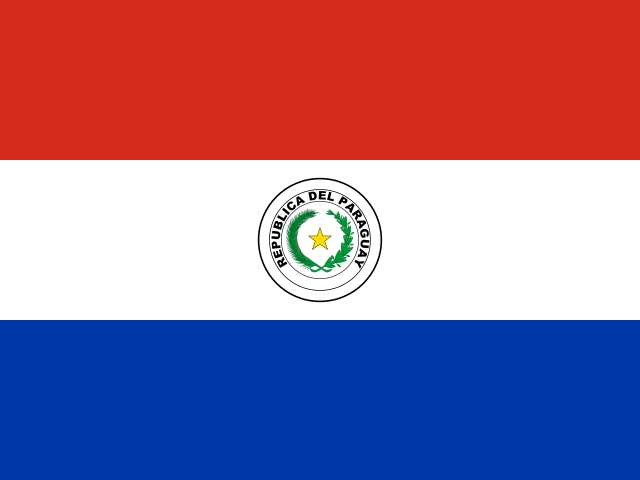
Paraguay
Paraguay established renewable energy targets in its National Development Plan 2014–2030. The country’s goal is to reach 60% of renewable energy in total energy consumption by 2030. By the same year, Paraguay aims to reduce by 20% the share of fossil fuel within its total energy consumption.
- Overview
- Energy mix
- Emissions
- Electricity
-
+ 5 pages

![Paraguay Flag]()
-
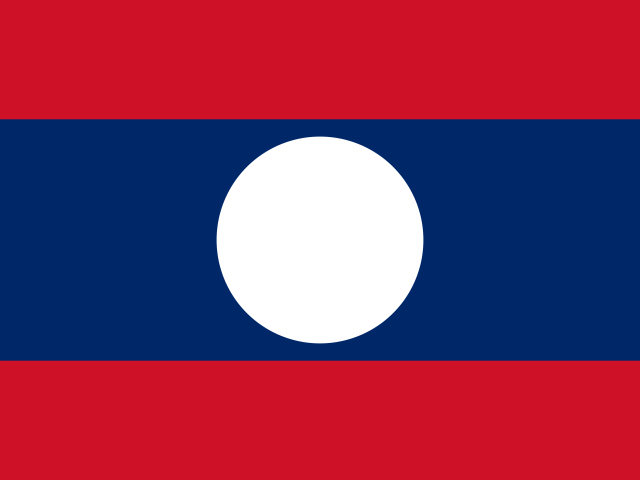
Laos
Laos’ 2011 Renewable Energy Development Strategy aims to achieve a renewable energy share of 30% in total energy consumption by 2025. The policy encourages investment in renewables and small power development for self-sufficiency and grid connection.
- Overview
- Energy mix
- Emissions
- Electricity
-
+ 5 pages

![Laos Flag]()
-
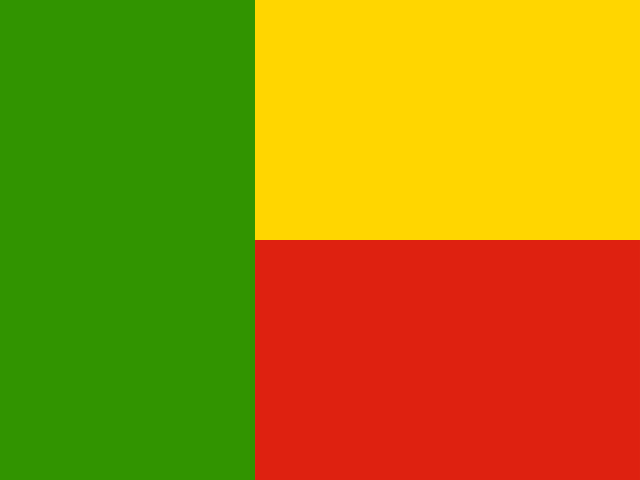
Benin
Benin is reliant on electricity imports for a significant share of its energy supply. Reform programmes, including plans for electrification, have been put in place in the country, where only 30% of the population had access to electricity in 2017.
- Overview
- Energy mix
- Emissions
- Electricity
-
+ 5 pages

![Benin Flag]()
-
Keisuke Sadamori
Director, Energy Markets and Security.

-
Finland
Finland has one of the most ambitious climate targets, a legal obligation to reach carbon neutrality by 2035. It is making progress towards this target and has one of the lowest levels of reliance on fossil fuels among IEA member countries. Finland’s forests, which historically offset significant greenhouse gas emissions, have become a net emissions source. A continued push towards the energy transition is needed, as imported fossil fuels still account for over one-third of energy supply and cover higher shares in transport and key industries.
- Overview
- Energy mix
- Emissions
- Electricity
-
+ 5 pages
![Finland Flag]()
-
Fatih Birol
Executive Director. As Executive Director of the International Energy Agency, Dr Fatih Birol (@fbirol) has positioned the IEA at the forefront of global efforts to advance a secure, affordable and sustainable energy system. Since taking office in 2015, he has modernised the Agency by broadening its energy security mandate beyond oil to include electricity, natural gas, renewables and critical minerals, strengthened the Agency's global leadership in clean energy transitions and expanded IEA membership to include major emerging countries. As a result, the IEA’s share of global energy demand coverage has increased from 40% to over 80%. He has also played a central role in the global response to major energy security emergencies, including those triggered by the invasion of Ukraine in 2022 and the 2026 Strait of Hormuz crisis.Dr Birol joined the IEA in 1995 and steadily rose through the ranks from jun...

-
Peru
Peru’s government identified the development of electricity from renewable energy sources as a public necessity of national interest. The country established a National Renewable Energy Development Plan to be funded by the Annual Budget Law, external debt operations, direct investments and contributions from international institutions.
- Overview
- Energy mix
- Emissions
- Electricity
-
+ 5 pages
![Peru Flag]()
-
Mozambique
In Mozambique, around 40% of people have access to electricity, through the grid or mini/off-grid systems. The government has promoted solar PV solutions in rural areas, reporting that 700 schools and 800 other public buildings now have electricity from solar.
- Overview
- Energy mix
- Emissions
- Electricity
-
+ 5 pages
![Mozambique Flag]()