-
Ethiopia
In Ethiopia, while electricity reaches less than half of the population, great progress has been made over the past two decades. The National Electrification Program, launched in 2017, outlines a plan to reach universal access by 2025, aiming to supply 35% of the population with off-grid solutions. Meanwhile, Ethiopia is diversifying its hydro-dominated installed generation mix in favour of solar, wind and geothermal to pursue a more climate-resilient power system and reach economic development objectives.
- Overview
- Energy mix
- Emissions
- Electricity
-
+ 5 pages

![Ethiopia Flag]()
-
Mongolia
Coal is the first source of electricity generation in Mongolia, but the country has recently begun using hydro, solar and wind power, and has adopted a law aiming to increase and regulate the use of renewables.
- Overview
- Energy mix
- Emissions
- Electricity
-
+ 5 pages

![Mongolia Flag]()
-
Cambodia
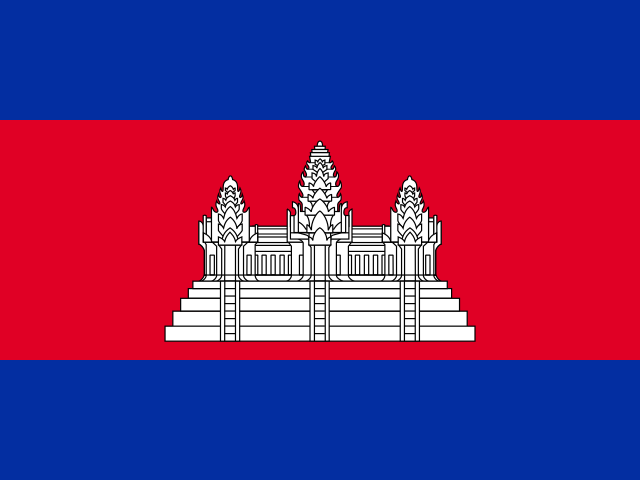
Cambodia’s electrification rate is the second-lowest among South East Asian countries. Cambodia plans to increase its power generation capacity by building hydropower and coal-fired plants by 2025, which can contribute to improve self-sufficiency of power supply.
- Overview
- Energy mix
- Emissions
- Electricity
-
+ 5 pages
![Cambodia Flag]()
-
Chinese Taipei
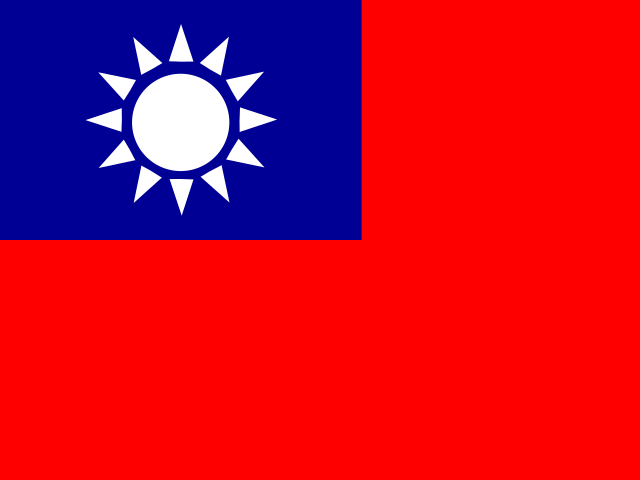
The Taiwanese government enacted in the late 2010s the Statute for Renewable Energy Development to reduce CO2 emissions, improve energy diversification and promote green-energy industries. The government is seeking to generate 8% of electricity from renewables by 2025.
- Overview
- Energy mix
- Emissions
- Electricity
-
+ 5 pages
![Chinese Taipei Flag]()
-
Benin
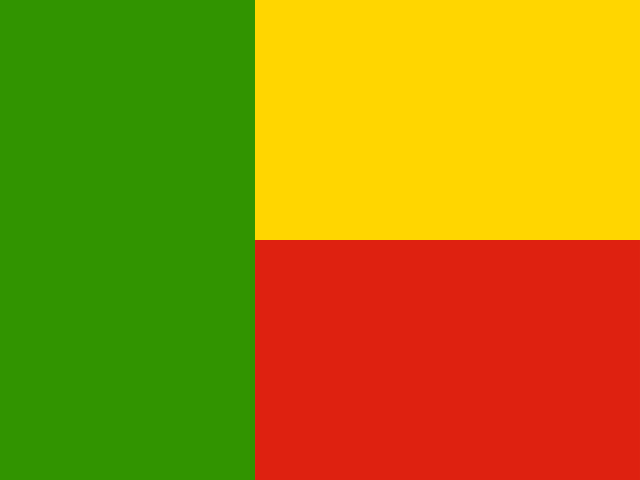
Benin is reliant on electricity imports for a significant share of its energy supply. Reform programmes, including plans for electrification, have been put in place in the country, where only 30% of the population had access to electricity in 2017.
- Overview
- Energy mix
- Emissions
- Electricity
-
+ 5 pages
![Benin Flag]()
-
Slovenia
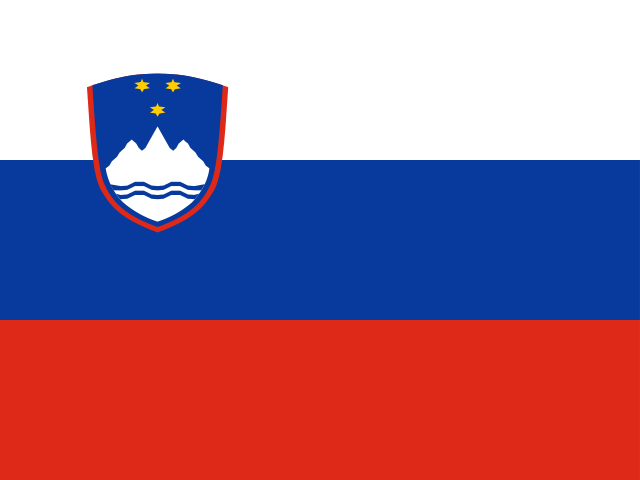
Slovenia has put in place a National Renewable Action Plan to 2020, which targets a 25% share of energy generation from renewable sources in gross final energy consumption and 39% of electricity demand met by electricity generated from renewable energy sources.
- Overview
- Energy mix
- Emissions
- Electricity
-
+ 5 pages

![Slovenia Flag]()
-
Dominican Republic
Dominican Republic has adopted a law on incentives for the development of renewable energy sources, which aims to increase the diversity of energy sources, reduce dependence on imported fossil fuels and stimulate investment in renewable energy.
- Overview
- Energy mix
- Emissions
- Electricity
-
+ 5 pages

![Dominican Republic Flag]()
-
Namibia
Most of Namibia’s electricity is generated by hydropower. The country is also one of the ten-largest uranium resource-holders in the world and provides 8.2% of global production. The country has stated its interest in introducing nuclear power into its domestic mix.
- Overview
- Energy mix
- Emissions
- Electricity
-
+ 5 pages
![Namibia Flag]()
-
Bulgaria
Bulgaria adopted The Energy from Renewable Sources Act in 2011. The Act regulates the generation and consumption of energy from renewable sources with the aim of achieving the national targets in terms of renewable energy use in final gross energy consumption.
- Overview
- Energy mix
- Emissions
- Electricity
-
+ 5 pages
![Bulgaria Flag]()
-
Austria
Austria is committed to reaching climate neutrality by 2040. Over three quarter of electricity generation already comes from renewables, with a target of achieving a 100% renewable electricity supply by 2030 (national balance). This requires investments to make networks more resilient and flexible, optimise demand side management, and updating the legal and regulatory framework to allow more consumer participation. Buildings and transport account for around half of total emissions . To progress the transition in these sectors, the government supports building renovation, switching from fossil fuels to sustainable heating systems, the electrification of transport and invests in public transport infrastructure.
- Overview
- Energy mix
- Emissions
- Electricity
-
+ 5 pages
![Austria Flag]()