-
Tunisia
Tunisia mostly relies on gas imports to meet its primary energy needs: almost 97% of its electricity generation came from gas in 2016. However, energy policy puts the emphasis on renewable energy. Electricity generation from wind power strongly increased since 2014.
- Overview
- Energy mix
- Emissions
- Electricity
-
+ 5 pages

![Tunisia Flag]()
-
Mali
In recent years, the rate of access to electricity in Mali has surpassed 25%, thanks to a public focus on mini-grid solutions. The government of Mali now plans to increase hybridisation of its mini-grids by adding PV capacity to diesel power plants. In 2019, Mali’s energy mix was dominated by biofuels and wastes (65%) and oil products (32%), with coal and hydro accounting for the rest. In 2020, less than 5% of the population had access to clean cooking and 52% had access to electricity. For electricity access, the country targets 70% access by 2025, 80% by…
- Overview
- Energy mix
- Emissions
- Electricity
-
+ 5 pages
![Mali Flag]()
-
Moldova
Moldova is almost fully dependent on fossil fuel and electricity imports, with natural gas serving most of its energy needs. The government plans to diversify the energy mix with renewables such as wind and solar. Moldova is part of the EU4Energy Programme, which focuses on improving evidence-based policy making for the energy sector.
- Overview
- Energy mix
- Emissions
- Electricity
-
+ 5 pages

![Moldova Flag]()
-
Portugal
…supporting decarbonisation through a wide variety of measures, such as, coal-fired generation was phased out in 2021. Portugal is further developing its large hydropower fleet, including additional capacity of pumped hydro storage. Portugal is an international leader for integration of wind generation, and auctions are driving rapid deployment of PV and battery storage. Portugal is pushing for better electricity interconnections with the rest of Europe. Portugal’s National Energy and Climate Plan sets 2030 targets for emissions reductions, energy efficiency and renewable energy that aim to put the country a path to achieving cost effective carbon neutrality by 2050.
- Overview
- Energy mix
- Emissions
- Electricity
-
+ 5 pages
![Portugal Flag]()
-
Burkina Faso
In 2019, Burkina Faso’s energy mix was dominated by biofuels and wastes, with oil products accounting for one-third of the total energy supply. In 2020, 11% of the population had access to clean cooking and only 21% had access to electricity, making Burkina Faso one of the world’s least-electrified countries. For electricity, the country has a target of 95% access for urban areas and 50% for rural areas by 2030. For clean cooking, Burkina Faso has a universal access target for urban areas and 65% in rural areas by 2030. The target for LPG urban penetration…
- Overview
- Energy mix
- Emissions
- Electricity
-
+ 5 pages
![Burkina Faso Flag]()
-
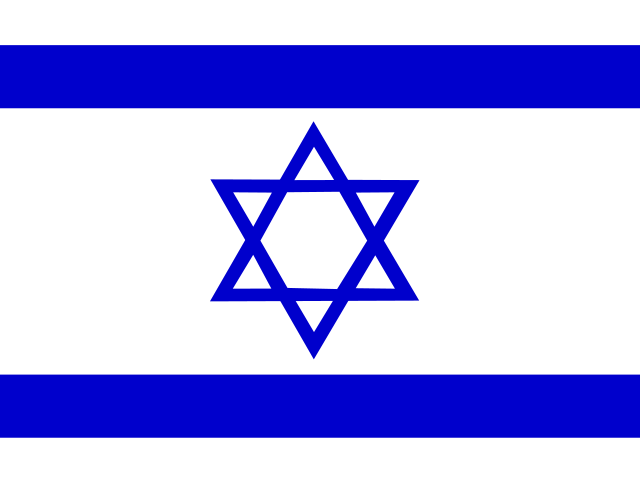
Israel
Israel endorsed a target of generating 10% of the country’s electricity from renewable sources in 2020. Solar thermal and photovoltaic power plants are expected to account for over 70% of total generation, with the remainder deriving from household PV units, wind energy and biomass.
The statistical data for Israel are supplied by and under the responsibility of the relevant Israeli authorities. The use of such data by the OECD is without prejudice to the status of the Golan Heights, East Jerusalem and Israeli settlements in the West Bank under the terms of international law.- Overview
- Energy mix
- Emissions
- Electricity
-
+ 5 pages
![Israel Flag]()
-
Estonia
…mainly to lowering its reliance on electricity generation from domestic oil shale, an energy rich sedimentary rock. However, oil shale remains the main energy source and imported fossil fuels still plan a major role, especially in transport. Estonia’s forests, which historically offset significant greenhouse gas emissions, have become a net emissions source. Estonia is aiming to accelerate its clean energy transition with a target to cover 100% of annual electricity demand with renewables by 2030 as part of a larger package to achieve climate neutrality by 2050. It is seeing success with one of the highest uptakes of heat…
- Overview
- Energy mix
- Emissions
- Electricity
-
+ 5 pages
![Estonia Flag]()
-
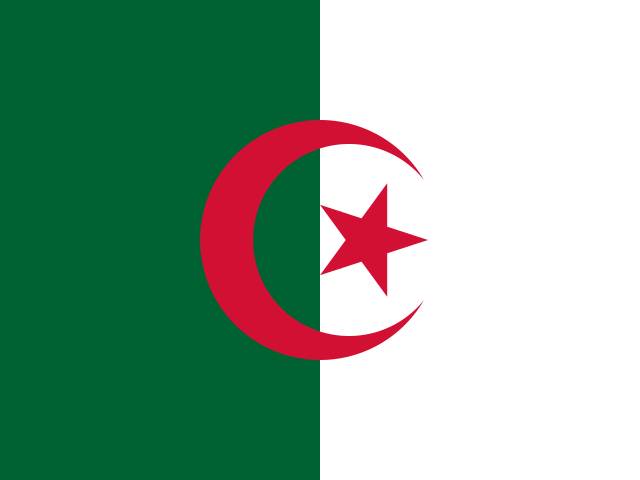
Algeria
Algeria is a large oil and gas producer and exporter. In 2015, the country updated its Renewable Energy and Energy Efficiency Development Plan to 2030, and put greater focus on the deployment of large-scale renewables, including solar PV and onshore wind installations, through various incentive measures.
- Overview
- Energy mix
- Emissions
- Electricity
-
+ 5 pages
![Algeria Flag]()
-
Madagascar
Around a quarter of the population of Madagascar has access to electricity, and only 1.5% has access to clean cooking facilities. In 2019, Madagascar’s energy mix was dominated by biofuels and wastes (85%), with oil products (11%), coal and hydro accounting for the rest of the total energy supply. In 2020, less than 5% of the population had access to clean cooking and 27% had access to electricity. The Government of Madagascar has set a target of reaching 70% electricity access rate by 2030.
- Overview
- Energy mix
- Emissions
- Electricity
-
+ 5 pages
![Madagascar Flag]()
-
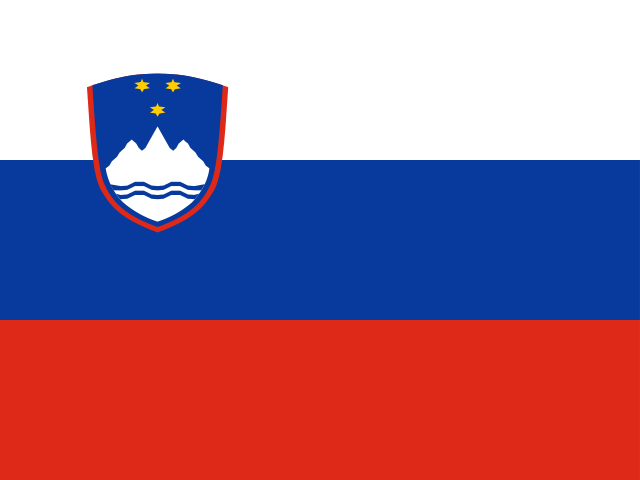
Slovenia
Slovenia has put in place a National Renewable Action Plan to 2020, which targets a 25% share of energy generation from renewable sources in gross final energy consumption and 39% of electricity demand met by electricity generated from renewable energy sources.
- Overview
- Energy mix
- Emissions
- Electricity
-
+ 5 pages
![Slovenia Flag]()