-
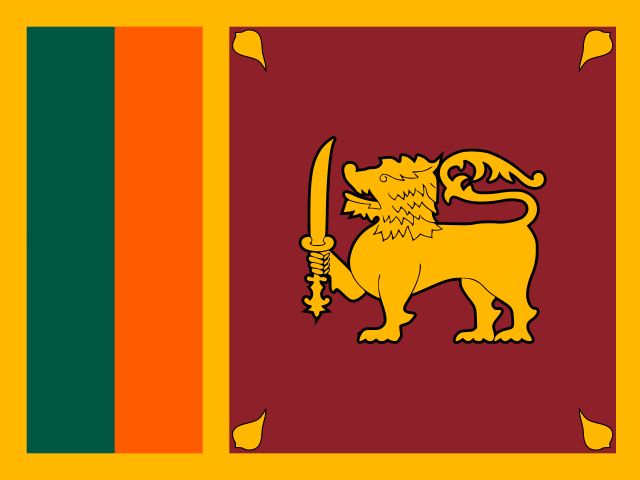
Sri Lanka
Sri Lanka’s primary energy supply mainly comes from oil and coal. Almost 40% of Sri Lanka’s electricity came from hydropower in 2017 but coal’s shares in power generation has been increasing since 2010. Sri Lanka is reaching universal access to electricity but clean cooking remain an issue with 15 million people still relying on biomass to cook.
- Overview
- Energy mix
- Emissions
- Electricity
-
+ 5 pages

![Sri Lanka Flag]()
-
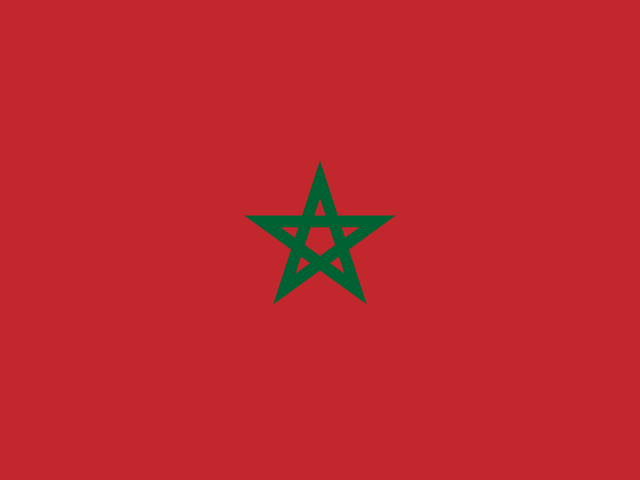
Morocco
The government has stepped up its role in international action on climate change, ratifying the Paris Agreement, setting a new national climate policy and hosting the United Nations Conference of Parties (COP22) summit in Marrakesh in 2016.
The development of renewables is helping to improve energy security as well as deliver on Morocco’s clean energy and climate change commitments. Morocco is making strong progress towards affordable, reliable, sustainable and modern energy in line with the United Nations Sustainable Development Goals (SDG 7). The government has achieved almost full access to electricity for its rural population, and it is developing…- Overview
- Energy mix
- Emissions
- Electricity
-
+ 5 pages

![Morocco Flag]()
-
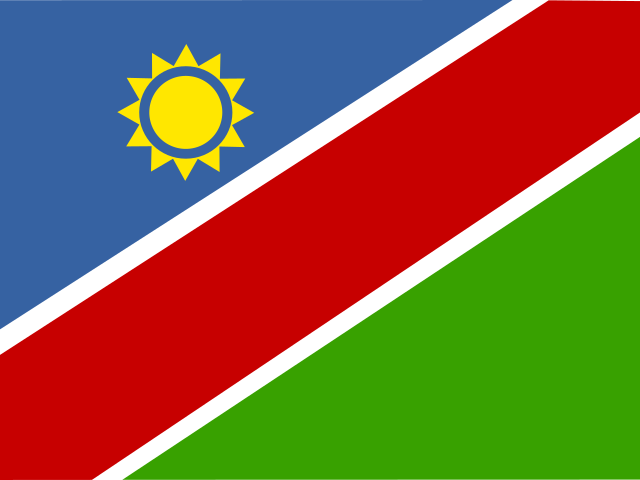
Namibia
Most of Namibia’s electricity is generated by hydropower. The country is also one of the ten-largest uranium resource-holders in the world and provides 8.2% of global production. The country has stated its interest in introducing nuclear power into its domestic mix.
- Overview
- Energy mix
- Emissions
- Electricity
-
+ 5 pages
![Namibia Flag]()
-
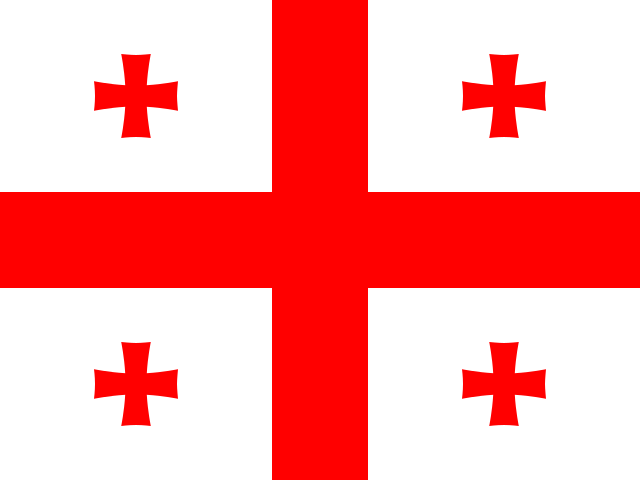
Georgia
Georgia has developed an energy sector based largely on hydropower and fuelwood, in addition to imports of fossil fuels. It is also an important transit country for the region, with major oil and gas pipelines running across Georgian territory. Efforts are required to improve energy efficiency and capitalise on the country’s renewable energy potential.
Georgia has made solid progress in the past decade, both in improving the security of its energy supply and in transitioning to a cleaner, more sustainable energy system. Although Georgia is still confronted with many challenges in its transition to a more secure, sustainable and…- Overview
- Energy mix
- Emissions
- Electricity
-
+ 5 pages

![Georgia Flag]()
-
Belarus
Energy policy in Belarus focuses on providing reliable energy while reducing import–dependence, particularly on natural gas from a single supplier. The government is contemplating attractive investment measures and fuel diversification to reduce natural gas consumption and include more coal and renewables into the country's energy mix, while developing local energy sources and introducing nuclear power.
Belarus has also prioritized improving energy efficiency in electricity and heat production and is phasing out subsidies for electricity, heat and gas, which is expected to make the energy sector more market-focused and investor-friendly. Belarus is part of the EU4Energy Programme…- Overview
- Energy mix
- Emissions
- Electricity
-
+ 5 pages

![Belarus Flag]()
-
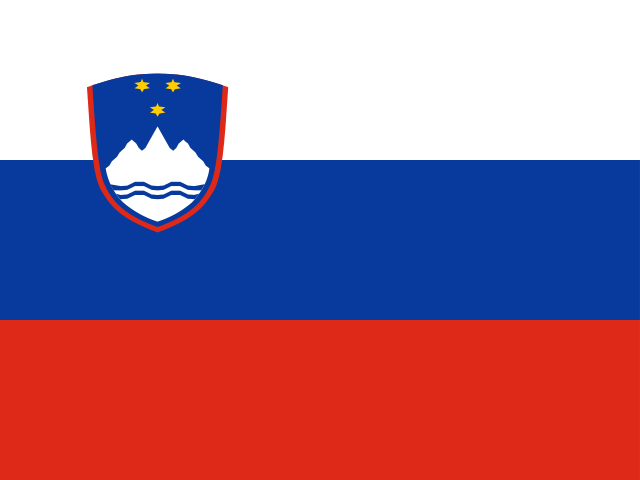
Slovenia
Slovenia has put in place a National Renewable Action Plan to 2020, which targets a 25% share of energy generation from renewable sources in gross final energy consumption and 39% of electricity demand met by electricity generated from renewable energy sources.
- Overview
- Energy mix
- Emissions
- Electricity
-
+ 5 pages
![Slovenia Flag]()
-
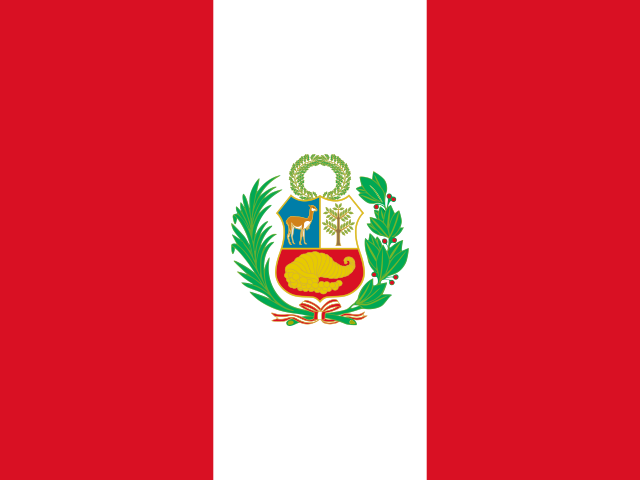
Peru
Peru’s government identified the development of electricity from renewable energy sources as a public necessity of national interest. The country established a National Renewable Energy Development Plan to be funded by the Annual Budget Law, external debt operations, direct investments and contributions from international institutions.
- Overview
- Energy mix
- Emissions
- Electricity
-
+ 5 pages

![Peru Flag]()
-
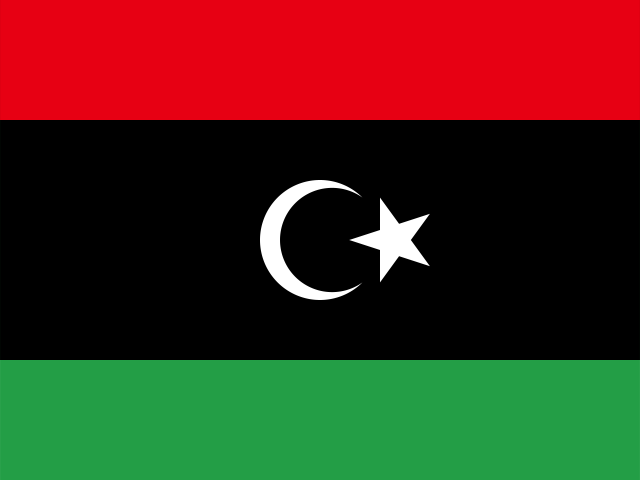
Libya
In 2013, the Libyan government launched the Renewable Energy Strategic 2013-2025 Plan, which aims to achieve 7% renewable energy contribution to the electric energy mix by 2020 and 10% by 2025. This will come from wind, Concentrated Solar Power, solar PV and solar heat.
- Overview
- Energy mix
- Emissions
- Electricity
-
+ 5 pages
![Libya Flag]()
-
Portugal
Portugal is supporting decarbonisation through a wide variety of measures, such as, coal-fired generation was phased out in 2021. Portugal is further developing its large hydropower fleet, including additional capacity of pumped hydro storage. Portugal is an international leader for integration of wind generation, and auctions are driving rapid deployment of PV and battery storage. Portugal is pushing for better electricity interconnections with the rest of Europe. Portugal’s National Energy and Climate Plan sets 2030 targets for emissions reductions, energy efficiency and renewable energy that aim to put the country a path to achieving cost effective carbon neutrality…
- Overview
- Energy mix
- Emissions
- Electricity
-
+ 5 pages
![Portugal Flag]()
-
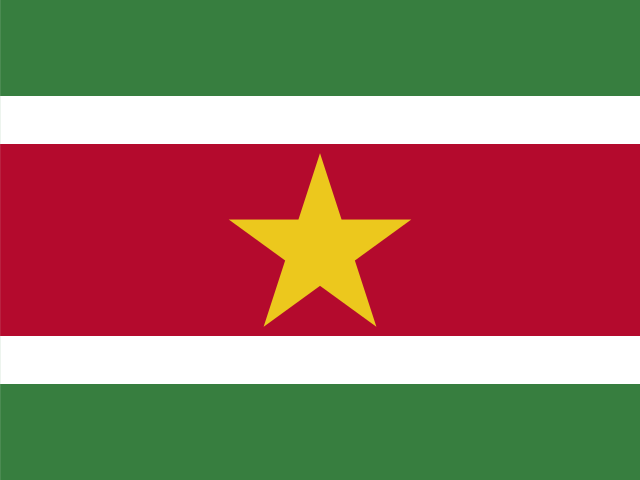
Suriname
The Intended Nationally Determined Contribution of Suriname to the Paris Agreement included commitments to improve sustainable forest management with the goal of enhancing the country's carbon sink potential, but no targets in terms of absolute or relative GHG emissions by 2030.
- Overview
- Energy mix
- Emissions
- Electricity
-
+ 5 pages
![Suriname Flag]()