-
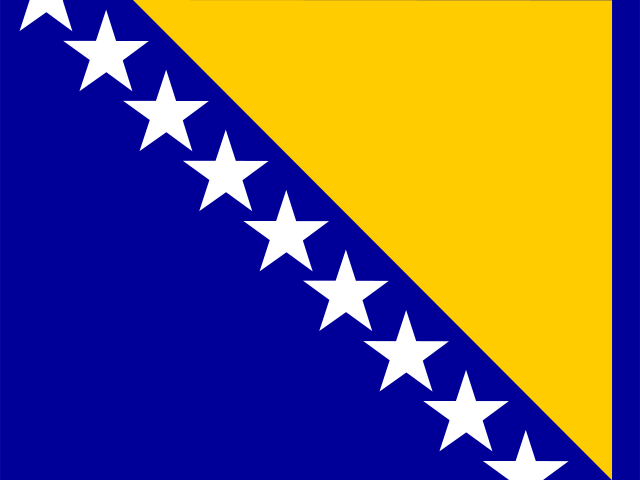
Bosnia and Herzegovina
Bosnia and Herzegovina adopted a National Environmental Action Plan, which provides action path to address the major environmental issues of the country. In the energy sector the target will be achieved by increasing energy efficiency and usage of renewables (hydro, solar, wind and geothermal energy).
- Overview
- Energy mix
- Emissions
- Electricity
-
+ 5 pages

![Bosnia and Herzegovina Flag]()
-
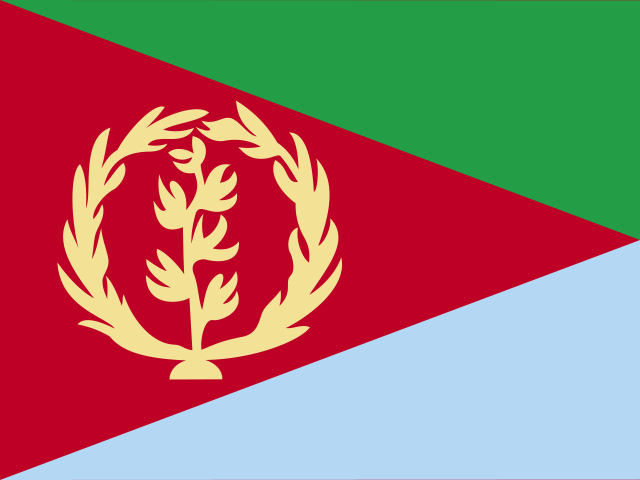
Eritrea
Less than half of the population of Eritrea has access to electricity. Most of the country's electricity generation comes from imported oil.
- Overview
- Energy mix
- Emissions
- Electricity
-
+ 5 pages

![Eritrea Flag]()
-
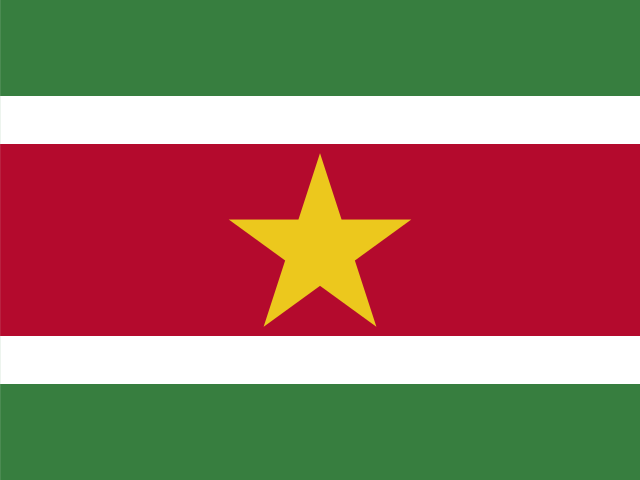
Suriname
The Intended Nationally Determined Contribution of Suriname to the Paris Agreement included commitments to improve sustainable forest management with the goal of enhancing the country's carbon sink potential, but no targets in terms of absolute or relative GHG emissions by 2030.
- Overview
- Energy mix
- Emissions
- Electricity
-
+ 5 pages

![Suriname Flag]()
-
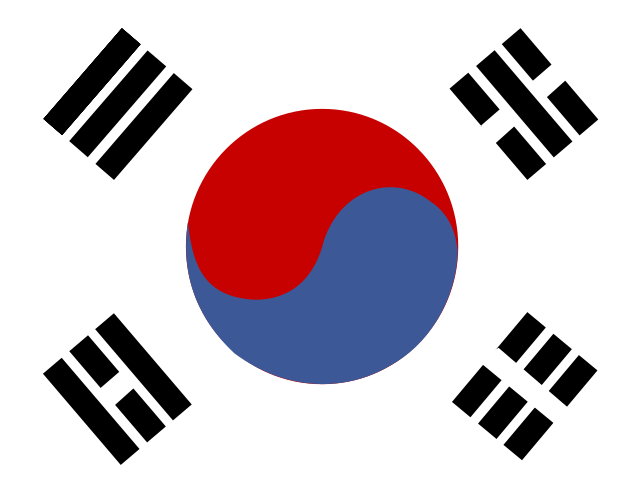
Korea
Korea has set a target of reaching carbon neutrality by 2050 by substantially increasing the share of renewable energy sources, gradually phasing out coal, significantly improving energy efficiency and fostering the country’s nascent hydrogen industry. Korea’s energy sector is characterised by a dominance of fossil fuels, a strong dependence on energy imports and one of the highest shares of industrial energy use among IEA countries. Korea aims to leverage the fourth industrial revolution for its energy transition and to foster green growth by means of low-carbon technologies and clean energy. Due to Korea’s high share of…
- Overview
- Energy mix
- Emissions
- Electricity
-
+ 5 pages

![Korea Flag]()
-
Mexico
Mexico’s energy and economic profile presents both challenges and opportunities as a major oil producer, exporter and through its growing domestic energy demand. Mexico was the first large oil producing emerging economy to adopt climate legislation in 2012 and has seen growth in renewable electricity generation from wind and solar, which almost tripled from 2015 to 2022. However, strong action is needed across all sectors to reduce reliance on fossil fuels and bring down greenhouse gas emissions.
- Overview
- Energy mix
- Emissions
- Electricity
-
+ 5 pages

![Mexico Flag]()
-
Zimbabwe
Zimbabwe holds large coal reserves and production is set to increase. The country has also significantly untapped its hydropower potential, even though the share of hydropower generation is gradually decreasing.
- Overview
- Energy mix
- Emissions
- Electricity
-
+ 5 pages
![Zimbabwe Flag]()
-
Burkina Faso
In 2019, Burkina Faso’s energy mix was dominated by biofuels and wastes, with oil products accounting for one-third of the total energy supply. In 2020, 11% of the population had access to clean cooking and only 21% had access to electricity, making Burkina Faso one of the world’s least-electrified countries. For electricity, the country has a target of 95% access for urban areas and 50% for rural areas by 2030. For clean cooking, Burkina Faso has a universal access target for urban areas and 65% in rural areas by 2030. The target for LPG urban penetration…
- Overview
- Energy mix
- Emissions
- Electricity
-
+ 5 pages
![Burkina Faso Flag]()
-
Qatar
Qatar is a major producer and exporter of natural gas, oil and oil products. Its domestic oil and gas productions entirely cover the country’s energy needs.
- Overview
- Energy mix
- Emissions
- Electricity
-
+ 5 pages

![Qatar Flag]()
-
Gibraltar
Gibraltar
- Overview
- Energy mix
- Emissions
- Electricity
-
+ 5 pages
![Gibraltar Flag]()
-
Montenegro
The Energy Development Strategy of Montenegro sets out objectives and defines mechanisms for the transition from the current energy system to a safe, competitive and environmentally acceptable energy paradigm by 2025. It also provides guidelines for the development of the energy sector with the aim of attracting investors.
Data for Montenegro is included under Serbia until 2004.- Overview
- Energy mix
- Emissions
- Electricity
-
+ 5 pages
![Montenegro Flag]()