-
Bolivia
A quarter of the electricity generated in Bolivia comes from renewables. On the other hand, 12% of the population still does not have access to electricity. The government has launched the Bolivia Electric Plan 2020-2025 to support the expansion of the electricity grid with a strong emphasis on renewables.
- Overview
- Energy mix
- Emissions
- Electricity
-
+ 5 pages

![Bolivia Flag]()
-
Colombia
Colombia launched the Energy Plan 2050 in 2016 , which aims to diversify the country’s energy resources and ensure a reliable energy supply by including wind power plants, solar PV and geothermal energy generation in the country's electric mix.
- Overview
- Energy mix
- Emissions
- Electricity
-
+ 5 pages
![Colombia Flag]()
-
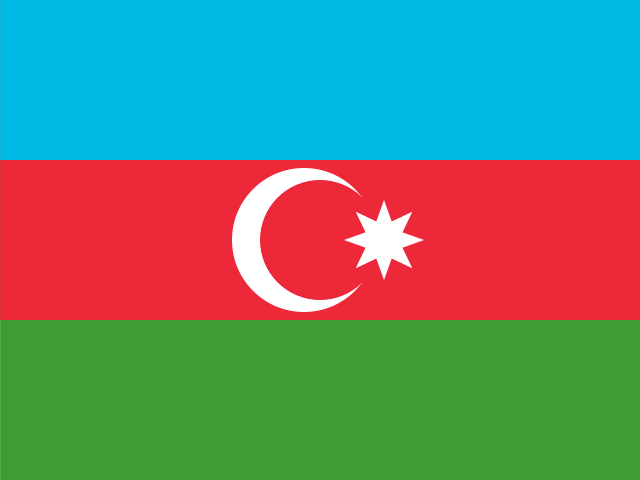
Azerbaijan
Azerbaijan has one of the highest energy self-sufficiency ratios in the world as a major crude oil and natural gas producer. While the renewable sector has not seen as much attention, the government is now looking to stimulate investment and accelerate deployment, allowing for diversification of domestic energy consumption. In addition, the government is working on a new energy strategy that will set the stage for further policy shifts. Azerbaijan is part of the EU4Energy Programme, an initiative focused on evidence-based policymaking for the energy sector.
- Overview
- Energy mix
- Emissions
- Electricity
-
+ 5 pages

![Azerbaijan Flag]()
-
Indonesia
Indonesia’s imports of oil have rapidly increased in recent years. This resource-rich nation is the world’s fourth-largest producer of coal and Southeast Asia’s biggest gas supplier. The country is the largest producer of biofuels worldwide and it is scaling up efforts to exploit its renewable energy potential. Indonesia's importance is underscored by its sizeable population of 250 million people – the fourth-largest in the world – and its significant role as a major producer and consumer of energy in regional and international markets. Indonesia is also the largest economy in ASEAN and an active member…
- Overview
- Energy mix
- Emissions
- Electricity
-
+ 5 pages

![Indonesia Flag]()
-
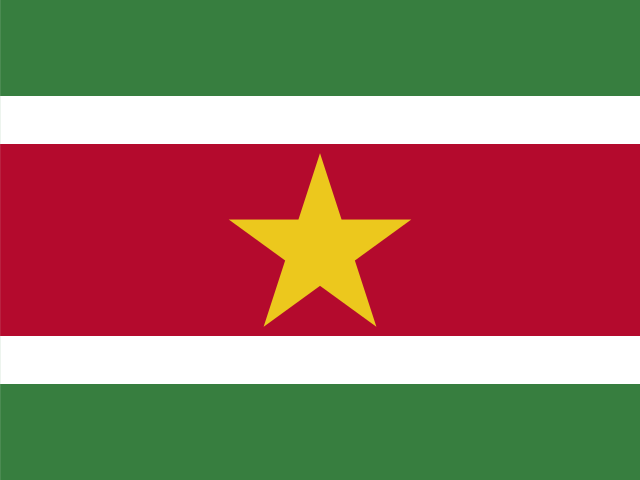
Suriname
The Intended Nationally Determined Contribution of Suriname to the Paris Agreement included commitments to improve sustainable forest management with the goal of enhancing the country's carbon sink potential, but no targets in terms of absolute or relative GHG emissions by 2030.
- Overview
- Energy mix
- Emissions
- Electricity
-
+ 5 pages
![Suriname Flag]()
-
Georgia
Georgia has developed an energy sector based largely on hydropower and fuelwood, in addition to imports of fossil fuels. It is also an important transit country for the region, with major oil and gas pipelines running across Georgian territory. Efforts are required to improve energy efficiency and capitalise on the country’s renewable energy potential.
Georgia has made solid progress in the past decade, both in improving the security of its energy supply and in transitioning to a cleaner, more sustainable energy system. Although Georgia is still confronted with many challenges in its transition to a more secure, sustainable and…- Overview
- Energy mix
- Emissions
- Electricity
-
+ 5 pages
![Georgia Flag]()
-
Saudi Arabia
Saudi Arabia has moved forward in the implementation of energy efficiency standards on key sectors and end-uses linked to their energy saving potential. These standards are focused on and the transport and building sectors. For example, new buildings are now required to be insulated.
- Overview
- Energy mix
- Emissions
- Electricity
-
+ 5 pages

![Saudi Arabia Flag]()
-
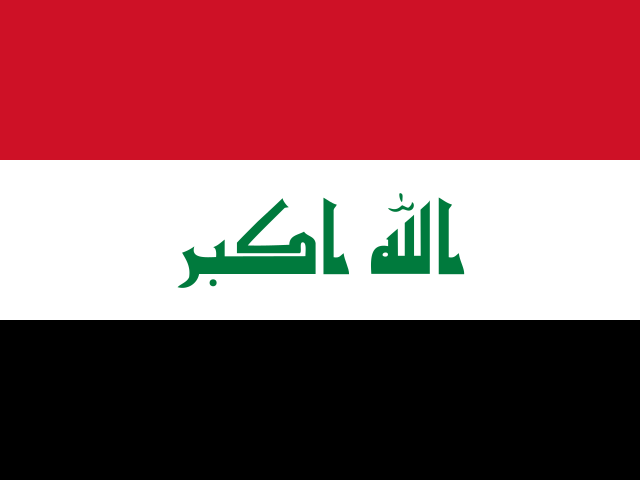
Iraq
Iraq holds abundant oil and gas resources and has strong solar PV potential. Its production to 2030 is set to be third largest contributor to global oil supply. By the same year, the government expects that renewable capacity will amount for 5% of the country’s total system capacity.
- Overview
- Energy mix
- Emissions
- Electricity
-
+ 5 pages
![Iraq Flag]()
-
Laos
Laos’ 2011 Renewable Energy Development Strategy aims to achieve a renewable energy share of 30% in total energy consumption by 2025. The policy encourages investment in renewables and small power development for self-sufficiency and grid connection.
- Overview
- Energy mix
- Emissions
- Electricity
-
+ 5 pages
![Laos Flag]()
-
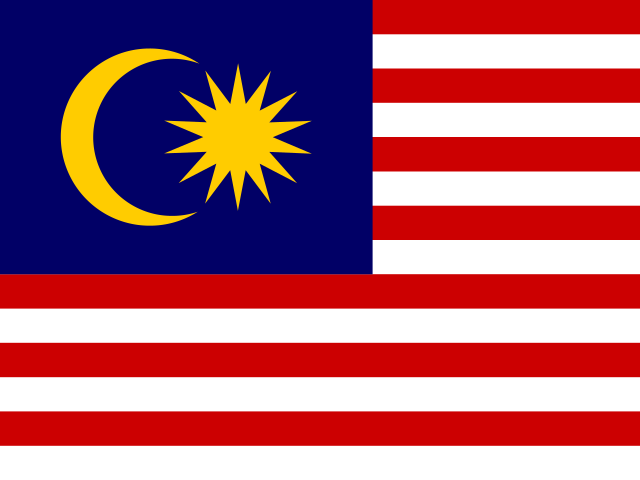
Malaysia
In Malaysia, the share of gas in the power mix decreased from 67% in 2005 to 47% in 2015, led by policies to switch to coal in response to declining domestic gas production. The country holds a large share of Southeast Asia’s fossil fuel resources.
- Overview
- Energy mix
- Emissions
- Electricity
-
+ 5 pages
![Malaysia Flag]()