-
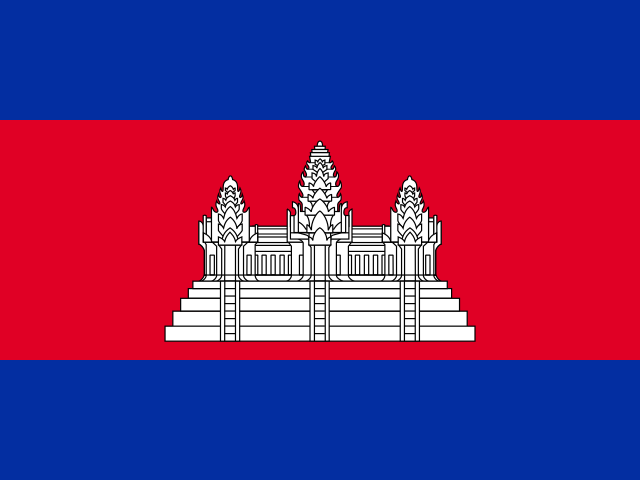
Cambodia
Cambodia’s electrification rate is the second-lowest among South East Asian countries. Cambodia plans to increase its power generation capacity by building hydropower and coal-fired plants by 2025, which can contribute to improve self-sufficiency of power supply.
- Overview
- Energy mix
- Emissions
- Electricity
-
+ 5 pages

![Cambodia Flag]()
-
Italy
Italy aims for carbon neutrality by 2050 and is on track to reach its 2030 targets for emissions reductions and energy efficiency, aiming to reach 30% of renewables in total energy consumption and 55% of renewables in electricity generation. The country has experienced notable growth in the renewable energy sector and has successfully integrated large volumes of variable renewable generation. Natural gas is a major source for electricity and heating, therefore Italy has strengthened its energy security by diversifying natural gas supply, making use of the pipeline and LNG infrastructure that it has built up over the last decade. Reducing…
- Overview
- Energy mix
- Emissions
- Electricity
-
+ 5 pages

![Italy Flag]()
-
Armenia
Imports of oil and gas cover 77% of Armenia’s energy needs. Current energy policy is focused on developing indigenous energy sources, mainly renewable, and on replacing the country’s main nuclear reactor. Energy Efficiency policy has also become a bigger priority as energy security and reliability remain key focus areas. Armenia is part of the EU4Energy Programme, an initiative focused on evidence-based policymaking for the energy sector.
- Overview
- Energy mix
- Emissions
- Electricity
-
+ 5 pages

![Armenia Flag]()
-
Chinese Taipei
The Taiwanese government enacted in the late 2010s the Statute for Renewable Energy Development to reduce CO2 emissions, improve energy diversification and promote green-energy industries. The government is seeking to generate 8% of electricity from renewables by 2025.
- Overview
- Energy mix
- Emissions
- Electricity
-
+ 5 pages
![Chinese Taipei Flag]()
-
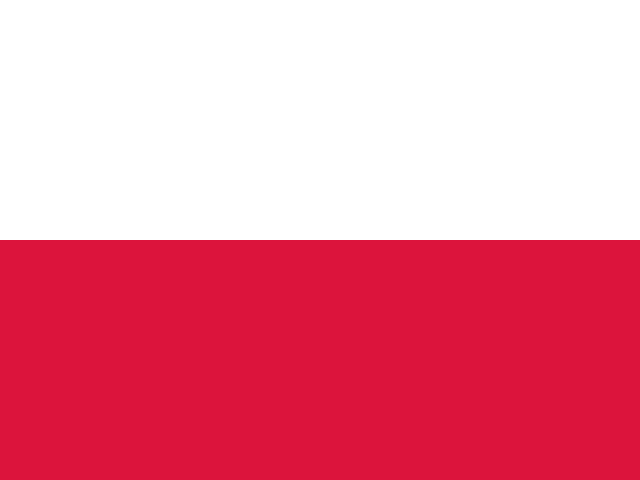
Poland
Poland’s energy system has seen progress on energy transition, despite its reliance on domestic hard coal and lignite. For example, Poland has one of the fastest growing solar PV markets in the European Union and has also seen a strong uptake of heat pumps. Poland is pushing to become a major player in offshore wind, aiming for at least 3.4 GW of capacity by 2030. However, stronger efforts are needed across all sectors to accelerate energy transition and Poland would benefit from greater electricity interconnections with the rest of Europe.
- Overview
- Energy mix
- Emissions
- Electricity
-
+ 5 pages
![Poland Flag]()
-
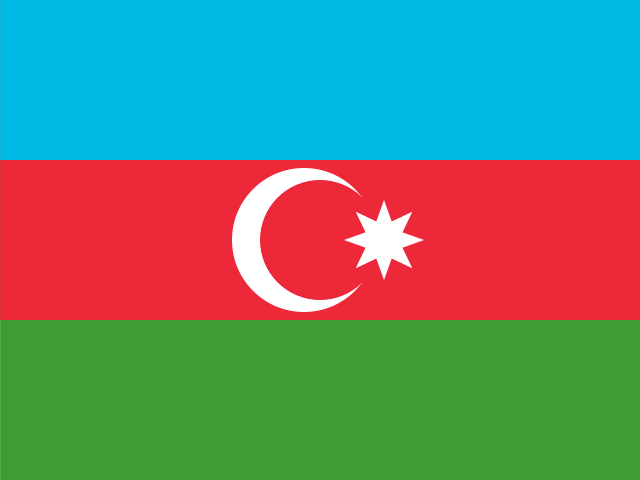
Azerbaijan
Azerbaijan has one of the highest energy self-sufficiency ratios in the world as a major crude oil and natural gas producer. While the renewable sector has not seen as much attention, the government is now looking to stimulate investment and accelerate deployment, allowing for diversification of domestic energy consumption. In addition, the government is working on a new energy strategy that will set the stage for further policy shifts. Azerbaijan is part of the EU4Energy Programme, an initiative focused on evidence-based policymaking for the energy sector.
- Overview
- Energy mix
- Emissions
- Electricity
-
+ 5 pages
![Azerbaijan Flag]()
-
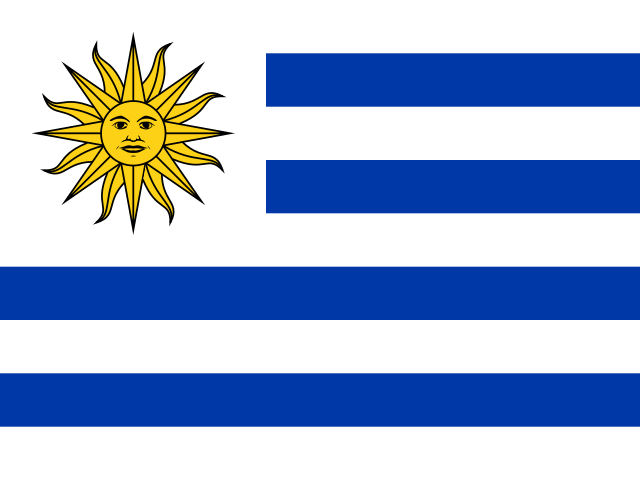
Uruguay
In 2010 the Ministry of Energy, Mining and Industry of Uruguay approved Decree 354 on the Promotion of Renewable Energies meant to increase dramatically the share of electricity generation from renewable sources in the country.
- Overview
- Energy mix
- Emissions
- Electricity
-
+ 5 pages

![Uruguay Flag]()
-
Costa Rica
Costa Rica’s energy policy aims to move from a fossil fuels based energy system towards renewable energy sources and to expand its power generation capacity, replacing old power generating stations and developing new projects.
- Overview
- Energy mix
- Emissions
- Electricity
-
+ 5 pages
![Costa Rica Flag]()
-
Belarus
Energy policy in Belarus focuses on providing reliable energy while reducing import–dependence, particularly on natural gas from a single supplier. The government is contemplating attractive investment measures and fuel diversification to reduce natural gas consumption and include more coal and renewables into the country's energy mix, while developing local energy sources and introducing nuclear power.
Belarus has also prioritized improving energy efficiency in electricity and heat production and is phasing out subsidies for electricity, heat and gas, which is expected to make the energy sector more market-focused and investor-friendly. Belarus is part of the EU4Energy Programme…- Overview
- Energy mix
- Emissions
- Electricity
-
+ 5 pages
![Belarus Flag]()
-
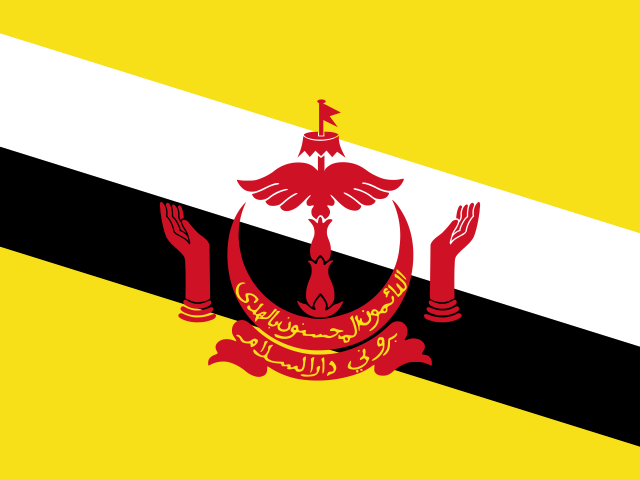
Brunei Darussalam
In 2014, Brunei adopted a strategic plan to achieve 10% share of renewables in the national energy mix by 2035. The plan provides the outline to introduce renewable energy policy and regulatory frameworks and to scale-up market deployment of solar PV.
- Overview
- Energy mix
- Emissions
- Electricity
-
+ 5 pages
![Brunei Darussalam Flag]()