-
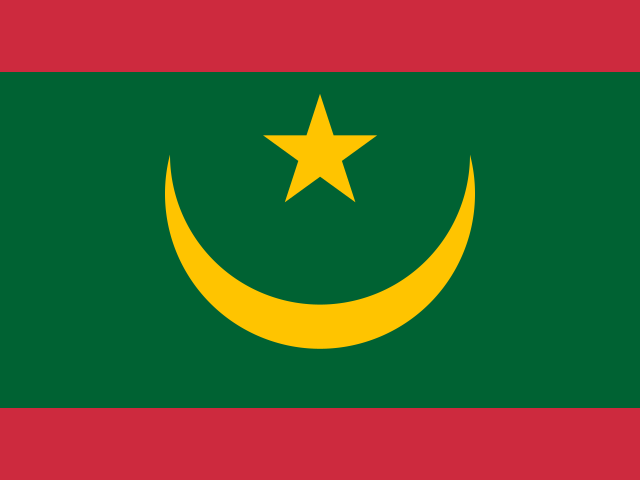
Mauritania
In 2019, Mauritania’s energy mix was dominated by oil products (65%) and biofuels and waste (32%). In 2020, 43% of the population had access to clean cooking which is the highest share in West Africa. In 2020, 47% of the population had access to electricity. For electricity access, the country targets universal access in urban areas and doubling of the current rate in rural areas by 2024, with country-wide universal access by 2030. For clean cooking, the target is 100% access to LPG in urban areas and 50% access to LPG in rural areas by 2030.
- Overview
- Energy mix
- Emissions
- Electricity
-
+ 5 pages

![Mauritania Flag]()
-
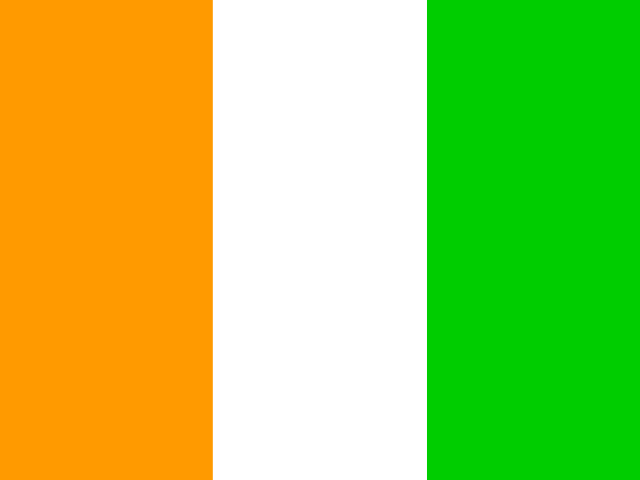
Cote D’Ivoire
Most of Cote d'Ivoire's primary energy demand is covered by local oil refinery supplies and domestic gas production. Almost 60% of the population had access to electricity in the country in 2017, a 10-percentage point’s increase from 2015.
- Overview
- Energy mix
- Emissions
- Electricity
-
+ 5 pages
![Cote D’Ivoire Flag]()
-
Congo
In Congo, 3 out of 5 people do not have access to electricity. As a country with a very low population density, Congo faces particularly severe challenges in bringing energy of any kind to its rural communities.
- Overview
- Energy mix
- Emissions
- Electricity
-
+ 5 pages
![Congo Flag]()
-
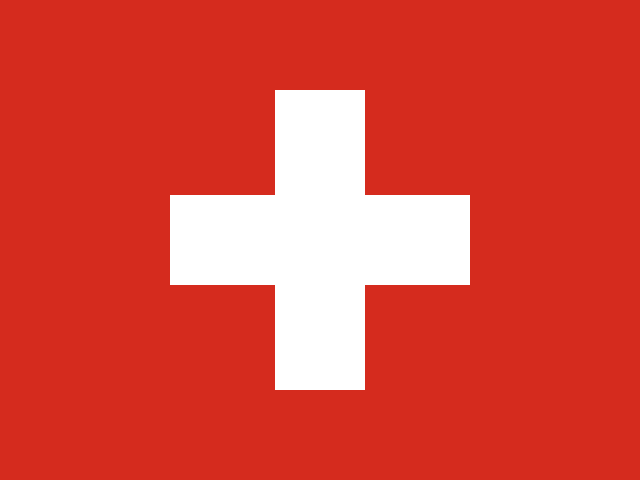
Switzerland
Switzerland has notably decoupled economic growth from energy use despite strong population growth. This trend should continue, and the energy efficiency first principle should be reflected in all climate and energy legislation. Reaching the 2050 net zero emissions target and addressing the growing winter electricity gap between demand and production requires an unprecedented volume of additional renewable generation capacity, especially wind and hydro. For this, the country needs to shorten the complex and extended administrative and legal permitting process. This will also help advancing investments in grid infrastructure to prepare for more decentralised and variable generation. Switzerland should also align…
- Overview
- Energy mix
- Emissions
- Electricity
-
+ 5 pages

![Switzerland Flag]()
-
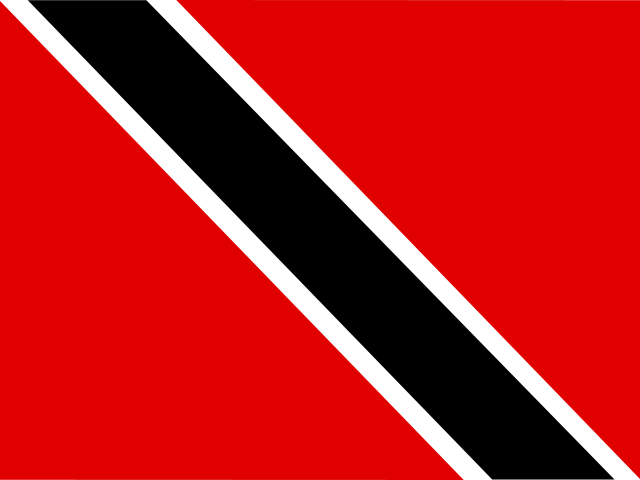
Trinidad and Tobago
Trinidad and Tobago
- Overview
- Energy mix
- Emissions
- Electricity
-
+ 5 pages

![Trinidad and Tobago Flag]()
-
Finland
Finland has one of the most ambitious climate targets, a legal obligation to reach carbon neutrality by 2035. It is making progress towards this target and has one of the lowest levels of reliance on fossil fuels among IEA member countries. Finland’s forests, which historically offset significant greenhouse gas emissions, have become a net emissions source. A continued push towards the energy transition is needed, as imported fossil fuels still account for over one-third of energy supply and cover higher shares in transport and key industries.
- Overview
- Energy mix
- Emissions
- Electricity
-
+ 5 pages
![Finland Flag]()
-
Eswatini
Eswatini
- Overview
- Energy mix
- Emissions
- Electricity
-
+ 5 pages
![Eswatini Flag]()
-
Lebanon
The government of Lebanon launched the "National Energy Efficiency and Renewable Energy Action" in 2010 a mechanism dedicated to the financing of green energy projects in the country. Private sector entities can apply for subsidised loans for any type of environmentally friendly projects.
- Overview
- Energy mix
- Emissions
- Electricity
-
+ 5 pages

![Lebanon Flag]()
-
Austria
Austria is committed to reaching climate neutrality by 2040. Over three quarter of electricity generation already comes from renewables, with a target of achieving a 100% renewable electricity supply by 2030 (national balance). This requires investments to make networks more resilient and flexible, optimise demand side management, and updating the legal and regulatory framework to allow more consumer participation. Buildings and transport account for around half of total emissions . To progress the transition in these sectors, the government supports building renovation, switching from fossil fuels to sustainable heating systems, the electrification of transport and invests in public transport infrastructure.
- Overview
- Energy mix
- Emissions
- Electricity
-
+ 5 pages
![Austria Flag]()
-
Ghana
In Ghana, electrification rates have gradually increased over the past 20 years, reaching almost 85% in 2017 and building on successful electrification plans. The country relies on a diversified energy mix and hosts the largest hydropower project of the Western African region.
- Overview
- Energy mix
- Emissions
- Electricity
-
+ 5 pages
![Ghana Flag]()