-
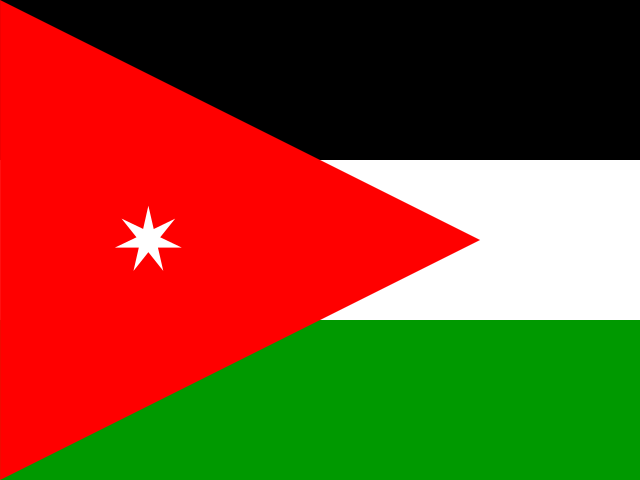
Jordan
The government of Jordan targets 10% of energy mix to come from renewables by 2020. The country has set up a fund, as well as duties and taxes exemptions on all manufactured locally and imported renewable energy sources equipment and systems.
- Overview
- Energy mix
- Emissions
- Electricity
-
+ 5 pages

![Jordan Flag]()
-
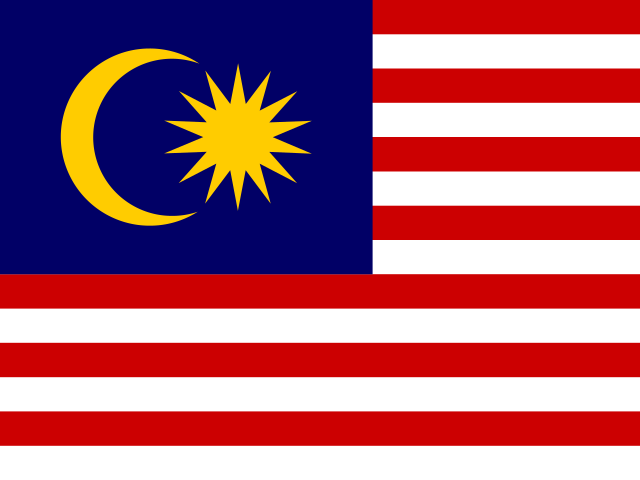
Malaysia
In Malaysia, the share of gas in the power mix decreased from 67% in 2005 to 47% in 2015, led by policies to switch to coal in response to declining domestic gas production. The country holds a large share of Southeast Asia’s fossil fuel resources.
- Overview
- Energy mix
- Emissions
- Electricity
-
+ 5 pages

![Malaysia Flag]()
-
Nigeria
Nigeria is the largest economy and the richest oil resource centre of the African continent. The country also remains the largest gas consumer and producer of West Africa. Notable power sector reforms are underway in Nigeria, including plans for electrification.
- Overview
- Energy mix
- Emissions
- Electricity
-
+ 5 pages

![Nigeria Flag]()
-
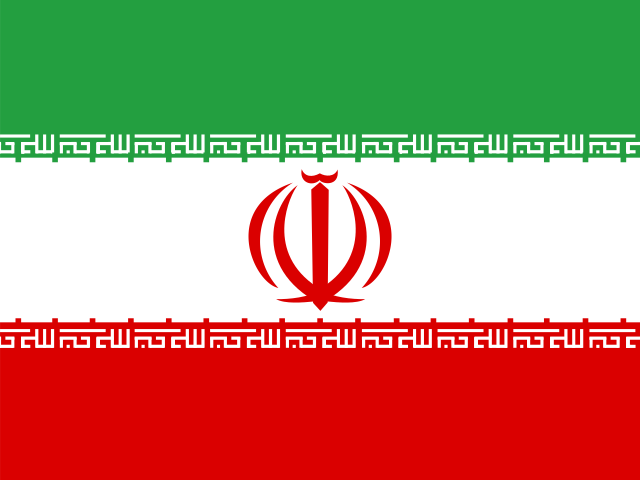
Iran
Iran has in place legislation obliging the Minister of Energy to increase the share of renewables and clean power plants to at least 5% of the country's capacity until the end of 2021.
- Overview
- Energy mix
- Emissions
- Electricity
-
+ 5 pages
![Iran Flag]()
-
Israel
Israel endorsed a target of generating 10% of the country’s electricity from renewable sources in 2020. Solar thermal and photovoltaic power plants are expected to account for over 70% of total generation, with the remainder deriving from household PV units, wind energy and biomass.
The statistical data for Israel are supplied by and under the responsibility of the relevant Israeli authorities. The use of such data by the OECD is without prejudice to the status of the Golan Heights, East Jerusalem and Israeli settlements in the West Bank under the terms of international law.- Overview
- Energy mix
- Emissions
- Electricity
-
+ 5 pages

![Israel Flag]()
-
Singapore
…index: the “SLiNG”.
Singapore has made important moves towards liberalising its gas market, providing the basis for more competitive price setting. These moves include creating a well-functioning domestic market for gas and greater transparency. A spot market for local gas use is being created, including secondary markets for gas consumers, and third party access to facilities such as gas storage is under development. These moves put Singapore ahead of most countries in the Asia-Pacific region and in a good position for a hub-style market to develop.
Singapore’s energy policies have also set strong objectives to 2030…- Overview
- Energy mix
- Emissions
- Electricity
-
+ 5 pages
![Singapore Flag]()
-
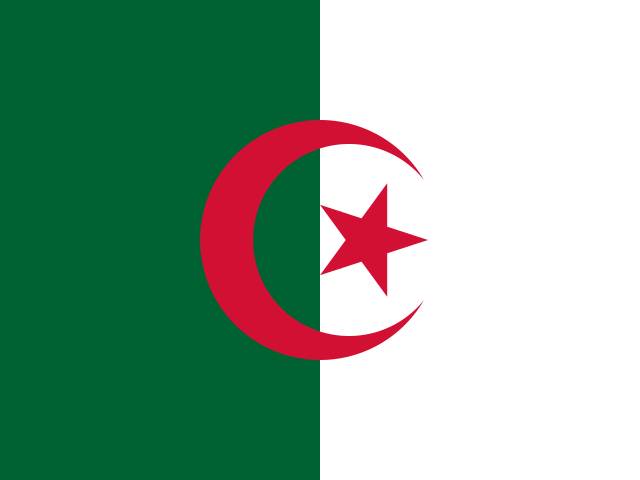
Algeria
Algeria is a large oil and gas producer and exporter. In 2015, the country updated its Renewable Energy and Energy Efficiency Development Plan to 2030, and put greater focus on the deployment of large-scale renewables, including solar PV and onshore wind installations, through various incentive measures.
- Overview
- Energy mix
- Emissions
- Electricity
-
+ 5 pages
![Algeria Flag]()
-
United Arab Emirates
The majority of the energy produced in the United Arab Emirates is from natural gas and oil. The country is also a major exporter of oil and gas and it started using its strong solar PV potential in 2014 to produce electricity.
- Overview
- Energy mix
- Emissions
- Electricity
-
+ 5 pages
![United Arab Emirates Flag]()
-
Armenia
Imports of oil and gas cover 77% of Armenia’s energy needs. Current energy policy is focused on developing indigenous energy sources, mainly renewable, and on replacing the country’s main nuclear reactor. Energy Efficiency policy has also become a bigger priority as energy security and reliability remain key focus areas. Armenia is part of the EU4Energy Programme, an initiative focused on evidence-based policymaking for the energy sector.
- Overview
- Energy mix
- Emissions
- Electricity
-
+ 5 pages

![Armenia Flag]()
-
India
Energy demand in India is growing rapidly with major implications for the global energy market. The Government of India has made remarkable progress in providing access to electricity and clean cooking while implementing a range of energy market reforms and integrating a high share of renewable energy sources into the grid. India, with a population of 1.36 billion and a fast growing economy, has seen its energy demand increasing rapidly as the country continues to urbanize and the manufacturing sector develops. This growing demand is met through various energy sources, with coal set to remain the largest source of…
- Overview
- Energy mix
- Emissions
- Electricity
-
+ 5 pages
![India Flag]()