-
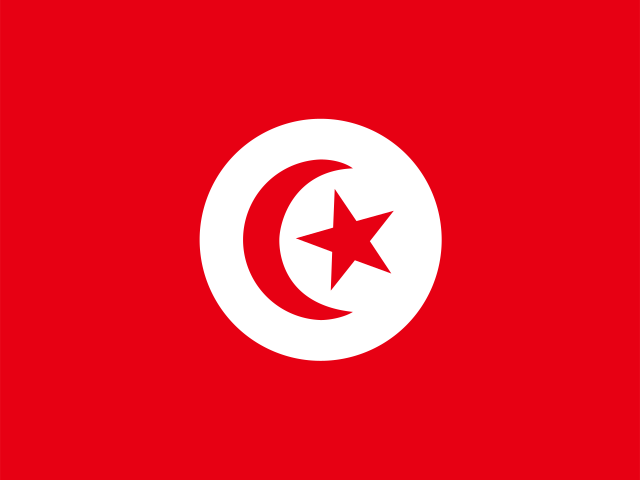
Tunisia
Tunisia mostly relies on gas imports to meet its primary energy needs: almost 97% of its electricity generation came from gas in 2016. However, energy policy puts the emphasis on renewable energy. Electricity generation from wind power strongly increased since 2014.
- Overview
- Energy mix
- Emissions
- Electricity
-
+ 5 pages

![Tunisia Flag]()
-
Congo
In Congo, 3 out of 5 people do not have access to electricity. As a country with a very low population density, Congo faces particularly severe challenges in bringing energy of any kind to its rural communities.
- Overview
- Energy mix
- Emissions
- Electricity
-
+ 5 pages
![Congo Flag]()
-
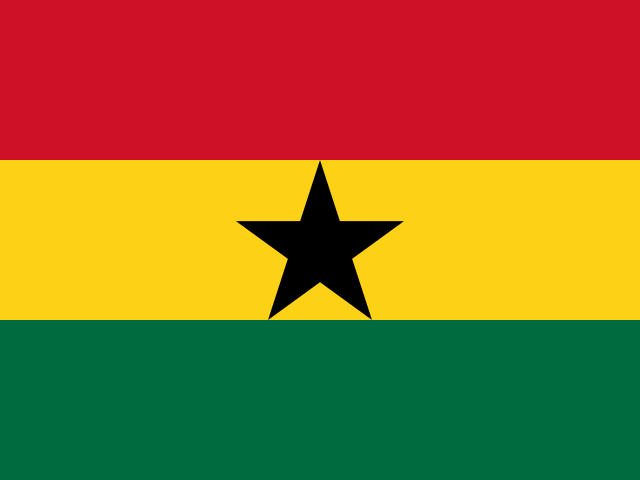
Ghana
In Ghana, electrification rates have gradually increased over the past 20 years, reaching almost 85% in 2017 and building on successful electrification plans. The country relies on a diversified energy mix and hosts the largest hydropower project of the Western African region.
- Overview
- Energy mix
- Emissions
- Electricity
-
+ 5 pages
![Ghana Flag]()
-
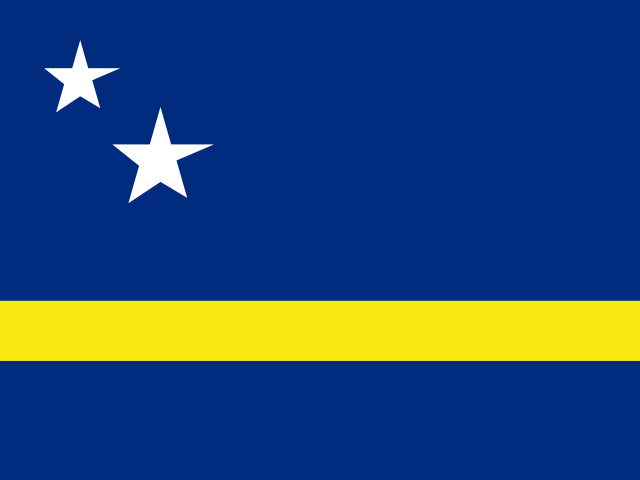
Curacao
Curacao
- Overview
- Energy mix
- Emissions
- Electricity
-
+ 5 pages

![Curacao Flag]()
-
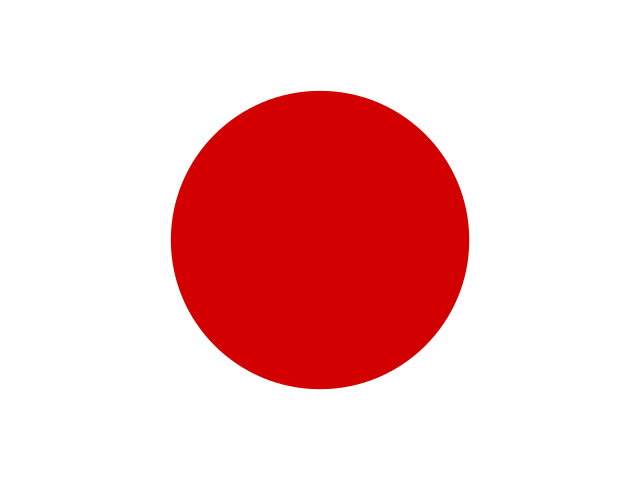
Japan
Japan’s energy policy is guided by principles of energy security, economic efficiency, environmental sustainability and safety. Achieving the aim of carbon-neutrality by 2050 will require substantially accelerating the deployment of low-carbon technologies by 2030, to address regulatory and institutional barriers and further enhance competition in energy markets. It will also be important to develop different decarbonisation scenarios and to prepare for the possibility that certain low-carbon technologies, such as nuclear, might not expand as quickly as hoped. Stronger reliance on market-based instruments, such as carbon pricing, could be one policy option for Japan to cost…
- Overview
- Energy mix
- Emissions
- Electricity
-
+ 5 pages

![Japan Flag]()
-
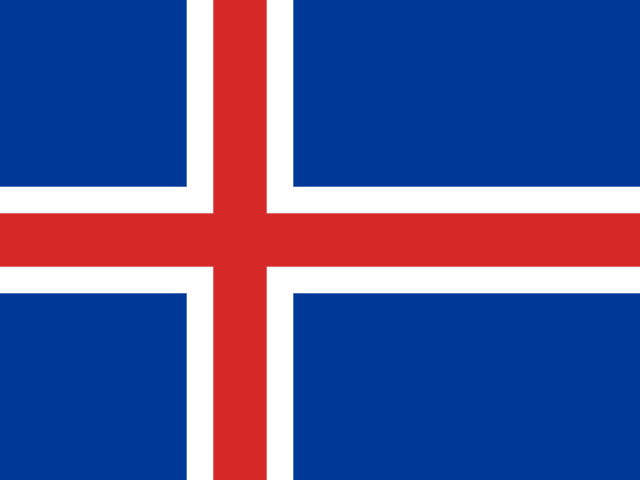
Iceland
In 2007, the Icelandic government released a Climate Change Strategy conceived as a framework for action and government involvement in climate change issues, and setting forth a long-term goal of reducing net greenhouse gas emissions by 50 to 75% of 1990 levels by 2050.
- Overview
- Energy mix
- Emissions
- Electricity
-
+ 5 pages

![Iceland Flag]()
-
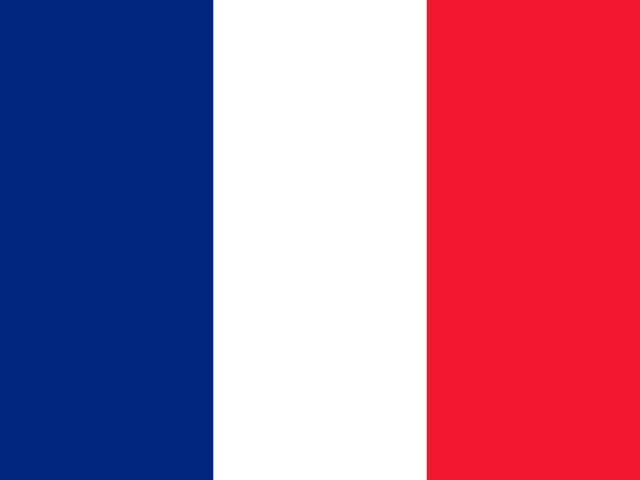
France
France has a very low-carbon electricity mix owing to its large nuclear fleet, the second-largest after the United States. As an early leader in setting out an ambitious energy transition, France legislated a net zero emissions target for 2050 in its 2019 Energy and Climate Act and aims at reducing by 55% its greenhouse gas emissions by 2030. A national low-carbon strategy with 5-year carbon budgets and a multiannual plan for energy investments implement the long-term target.
Acknowledging the need to maintain electricity security in the longer term and a low-carbon footprint France invests…- Overview
- Energy mix
- Emissions
- Electricity
-
+ 5 pages
![France Flag]()
-
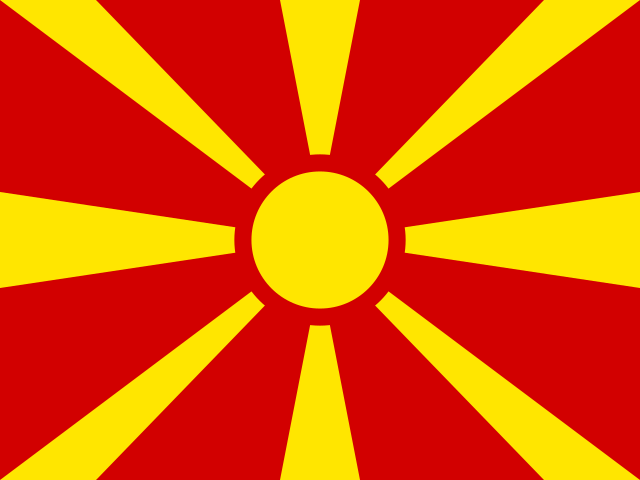
North Macedonia
North Macedonia
- Overview
- Energy mix
- Emissions
- Electricity
-
+ 5 pages
![North Macedonia Flag]()
-
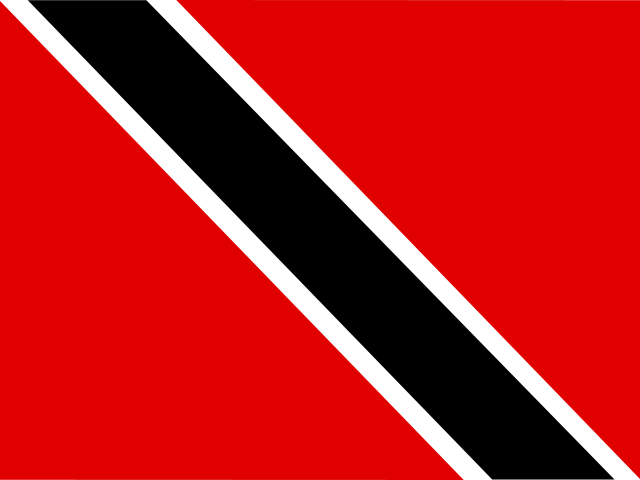
Trinidad and Tobago
Trinidad and Tobago
- Overview
- Energy mix
- Emissions
- Electricity
-
+ 5 pages
![Trinidad and Tobago Flag]()
-
Kosovo
This designation is without prejudice to positions on status, and is in line with United Nations Security Council Resolution 1244/99 and the Opinion of the International Court of Justice on Kosovo’s declaration of independence.
- Overview
- Energy mix
- Emissions
- Electricity
-
+ 5 pages
![Kosovo Flag]()