-
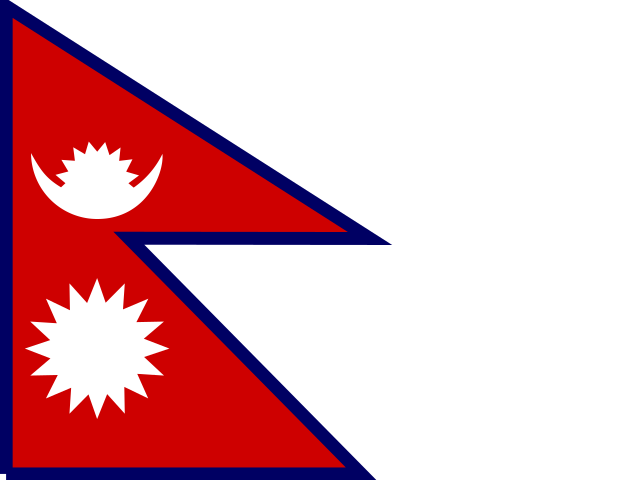
Nepal
Almost the totality of the electricity generated in Nepal comes from hydropower. Most of the energy supply is from biofuels and waste as 21 million people still rely on traditional biomass for cooking. In 2000, 81% did not have access to electricity but with remarkable efforts from the government, only 6% of the population remain without access today.
- Overview
- Energy mix
- Emissions
- Electricity
-
+ 5 pages

![Nepal Flag]()
-
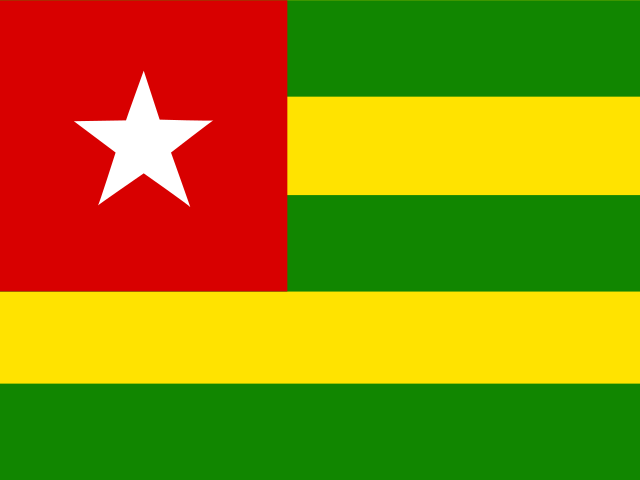
Togo
Less than half of the Togolese population has access to electricity. The country has a relatively diversified energy mix and more than 13% of its final energy consumption comes from renewable supplies of energy, mainly hydropower.
- Overview
- Energy mix
- Emissions
- Electricity
-
+ 5 pages

![Togo Flag]()
-
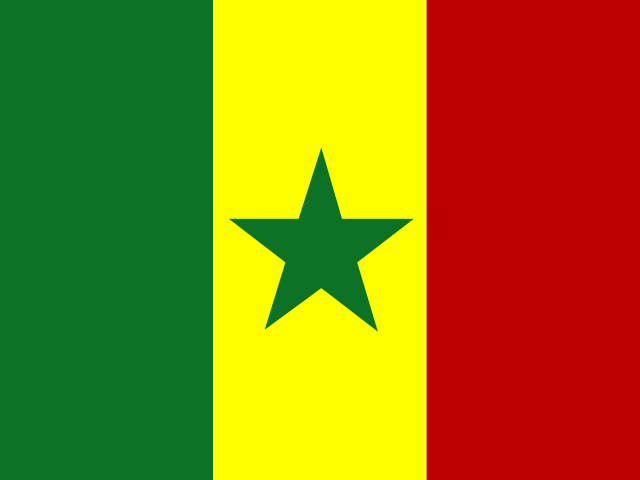
Senegal
In Senegal, 65% of the population has access to electricity. Strong policies and incentives have supported liquefied petroleum gas (LPG) use and less than 25% of the urban population now relies on solid biomass for cooking.
- Overview
- Energy mix
- Emissions
- Electricity
-
+ 5 pages
![Senegal Flag]()
-
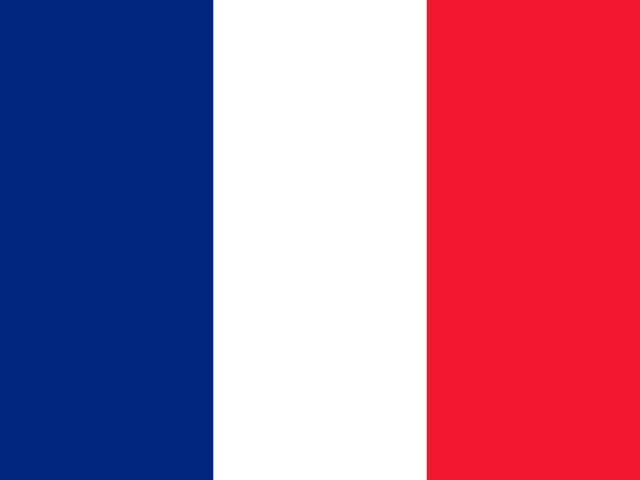
France
France has a very low-carbon electricity mix owing to its large nuclear fleet, the second-largest after the United States. As an early leader in setting out an ambitious energy transition, France legislated a net zero emissions target for 2050 in its 2019 Energy and Climate Act and aims at reducing by 55% its greenhouse gas emissions by 2030. A national low-carbon strategy with 5-year carbon budgets and a multiannual plan for energy investments implement the long-term target.
Acknowledging the need to maintain electricity security in the longer term and a low-carbon footprint France invests…- Overview
- Energy mix
- Emissions
- Electricity
-
+ 5 pages

![France Flag]()
-
Jamaica
The government of Jamaica adopted a national Energy Policy in 2010 , which establishes a goal of 20% of renewable energy in the energy mix by 2030. This Strategic Framework also addresses both the supply and demand energy issues that the country faces.
- Overview
- Energy mix
- Emissions
- Electricity
-
+ 5 pages

![Jamaica Flag]()
-
Germany
Germany’s Climate Law sets out the framework for reaching net zero emissions by 2045. In order to achieve the ambitious Energiewende by 2030, 80% of all electricity supply will need to come from renewable energy sources (and 100% by 2035) and coal is to be completely phased out. Germany has been an early leader in offshore wind and solar PV and phased out nuclear power in 2023. Major legislative reforms in renewable energy planning and siting support targets of 100-110 GW of onshore wind, 30 GW offshore wind and 200 GW solar, alongside investments in 10 GW of…
- Overview
- Energy mix
- Emissions
- Electricity
-
+ 5 pages
![Germany Flag]()
-
Tunisia
Tunisia mostly relies on gas imports to meet its primary energy needs: almost 97% of its electricity generation came from gas in 2016. However, energy policy puts the emphasis on renewable energy. Electricity generation from wind power strongly increased since 2014.
- Overview
- Energy mix
- Emissions
- Electricity
-
+ 5 pages
![Tunisia Flag]()
-
Bangladesh
In Bangladesh, electricity is available for 85% of the population, up from 20% in 2000. Gas accounts for the majority of the country’s electricity production, even though wind, hydropower and solar PV shares are growing. Bangladesh has also implemented energy policy incentives towards the deployment of renewables.
- Overview
- Energy mix
- Emissions
- Electricity
-
+ 5 pages
![Bangladesh Flag]()
-
Paraguay
Paraguay established renewable energy targets in its National Development Plan 2014–2030. The country’s goal is to reach 60% of renewable energy in total energy consumption by 2030. By the same year, Paraguay aims to reduce by 20% the share of fossil fuel within its total energy consumption.
- Overview
- Energy mix
- Emissions
- Electricity
-
+ 5 pages
![Paraguay Flag]()
-
Pakistan
In Pakistan, most of the primary energy supply comes from oil and natural gas. Hydropower is the main renewable source of energy in the country but wind and solar PV’s shares are slowly growing. More than 40 million people remain without access to electricity and half the population lack access to clean cooking facilities.
- Overview
- Energy mix
- Emissions
- Electricity
-
+ 5 pages
![Pakistan Flag]()