-
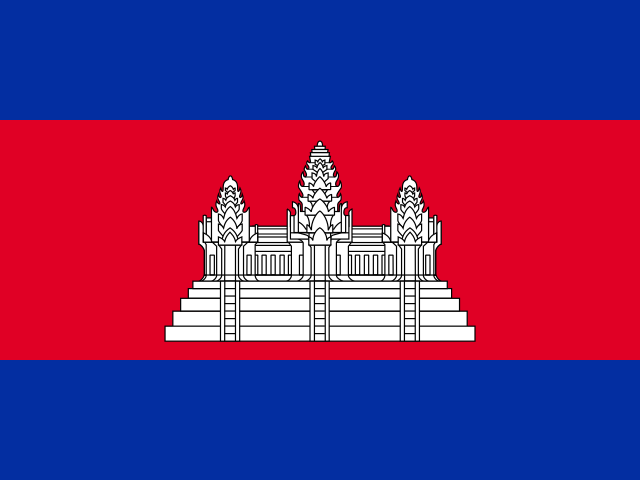
Cambodia
Cambodia’s electrification rate is the second-lowest among South East Asian countries. Cambodia plans to increase its power generation capacity by building hydropower and coal-fired plants by 2025, which can contribute to improve self-sufficiency of power supply.
- Overview
- Energy mix
- Emissions
- Electricity
-
+ 5 pages

![Cambodia Flag]()
-
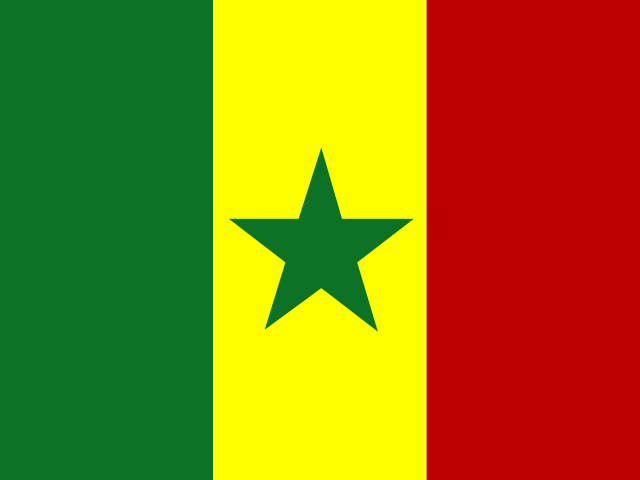
Senegal
In Senegal, 65% of the population has access to electricity. Strong policies and incentives have supported liquefied petroleum gas (LPG) use and less than 25% of the urban population now relies on solid biomass for cooking.
- Overview
- Energy mix
- Emissions
- Electricity
-
+ 5 pages

![Senegal Flag]()
-
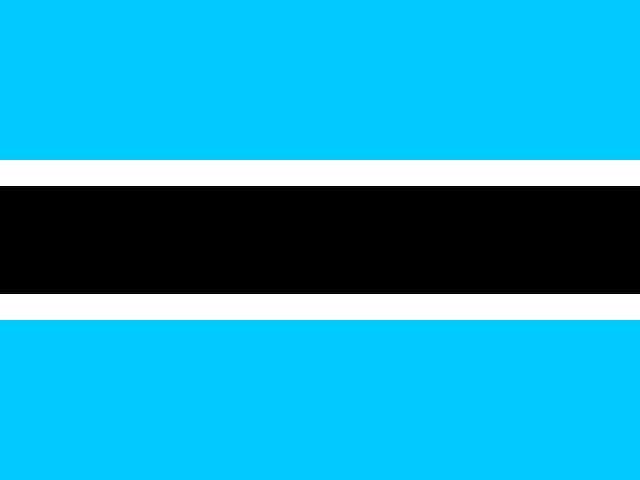
Botswana
Coal production is set to increase in Botswana, but exports remain limited and mainly involve trade with neighbouring countries. Regarding electrification rates, the country has recently made good progress through a large push for mini-grid and off-grid solutions in rural areas.
- Overview
- Energy mix
- Emissions
- Electricity
-
+ 5 pages
![Botswana Flag]()
-
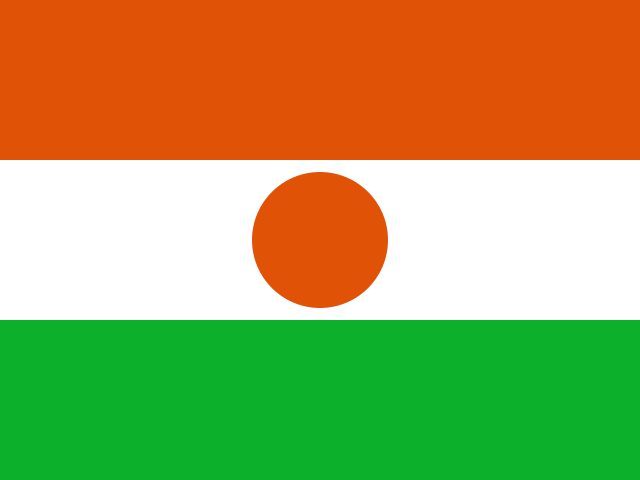
Niger
Access to electricity remains a challenge in Niger and the country is reliant on electricity imports for a significant share of its supply. The country is an oil resource centre and it is one of the ten-largest uranium resource-holders in the world.
- Overview
- Energy mix
- Emissions
- Electricity
-
+ 5 pages
![Niger Flag]()
-
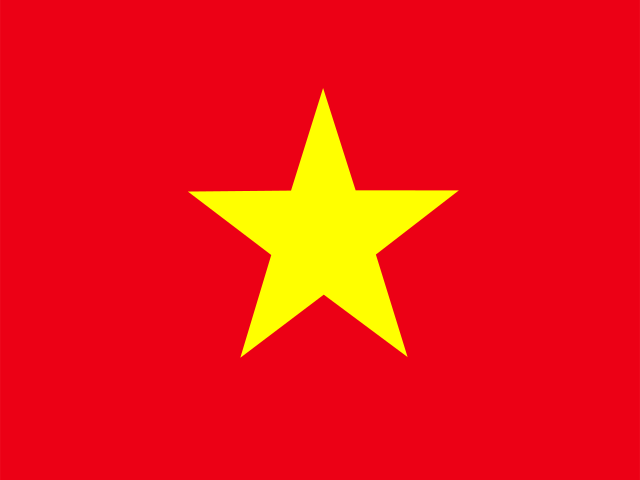
Viet Nam
In recent years, Viet Nam has increased its non-hydro renewable capacity targets in its power development plan, from 9.4% to 21% of total installed capacity in 2030, and decreased the share of coal-fired capacity from 52% to 43%.
- Overview
- Energy mix
- Emissions
- Electricity
-
+ 5 pages
![Viet Nam Flag]()
-
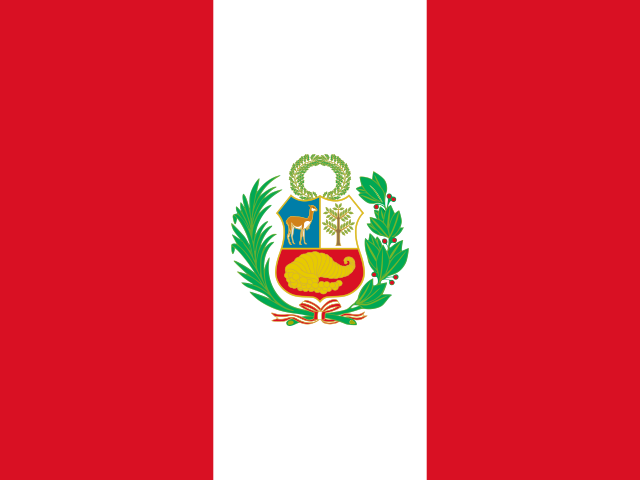
Peru
Peru’s government identified the development of electricity from renewable energy sources as a public necessity of national interest. The country established a National Renewable Energy Development Plan to be funded by the Annual Budget Law, external debt operations, direct investments and contributions from international institutions.
- Overview
- Energy mix
- Emissions
- Electricity
-
+ 5 pages

![Peru Flag]()
-
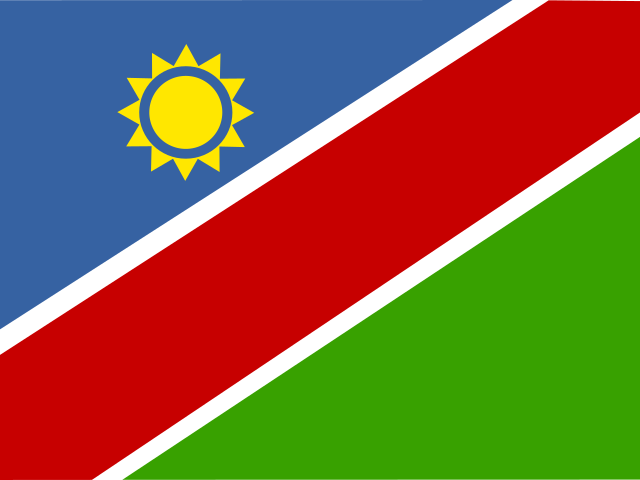
Namibia
Most of Namibia’s electricity is generated by hydropower. The country is also one of the ten-largest uranium resource-holders in the world and provides 8.2% of global production. The country has stated its interest in introducing nuclear power into its domestic mix.
- Overview
- Energy mix
- Emissions
- Electricity
-
+ 5 pages
![Namibia Flag]()
-
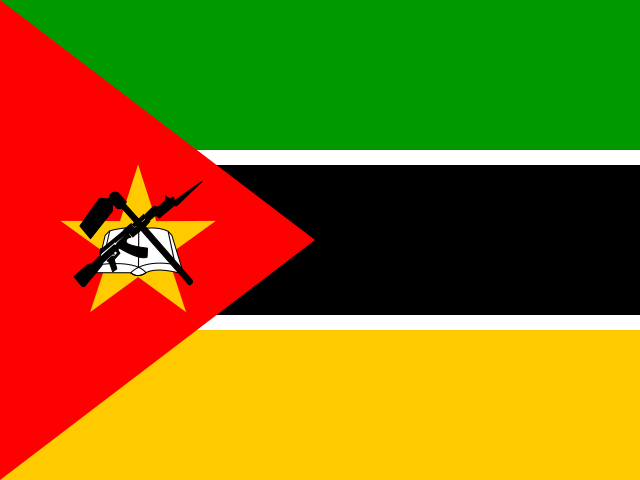
Mozambique
In Mozambique, around 40% of people have access to electricity, through the grid or mini/off-grid systems. The government has promoted solar PV solutions in rural areas, reporting that 700 schools and 800 other public buildings now have electricity from solar.
- Overview
- Energy mix
- Emissions
- Electricity
-
+ 5 pages
![Mozambique Flag]()
-
Tanzania
Electricity access in Tanzania increased from around 13% in 2008 to 32% in 2017. The government is supporting the private sector to develop its electricity market, enhancing the role of renewable energy in the energy mix and increasing rural electricity access.
- Overview
- Energy mix
- Emissions
- Electricity
-
+ 5 pages
![Tanzania Flag]()
-
Uruguay
In 2010 the Ministry of Energy, Mining and Industry of Uruguay approved Decree 354 on the Promotion of Renewable Energies meant to increase dramatically the share of electricity generation from renewable sources in the country.
- Overview
- Energy mix
- Emissions
- Electricity
-
+ 5 pages
![Uruguay Flag]()