-
Montenegro
The Energy Development Strategy of Montenegro sets out objectives and defines mechanisms for the transition from the current energy system to a safe, competitive and environmentally acceptable energy paradigm by 2025. It also provides guidelines for the development of the energy sector with the aim of attracting investors.
Data for Montenegro is included under Serbia until 2004.- Overview
- Energy mix
- Emissions
- Electricity
-
+ 5 pages

![Montenegro Flag]()
-
Botswana
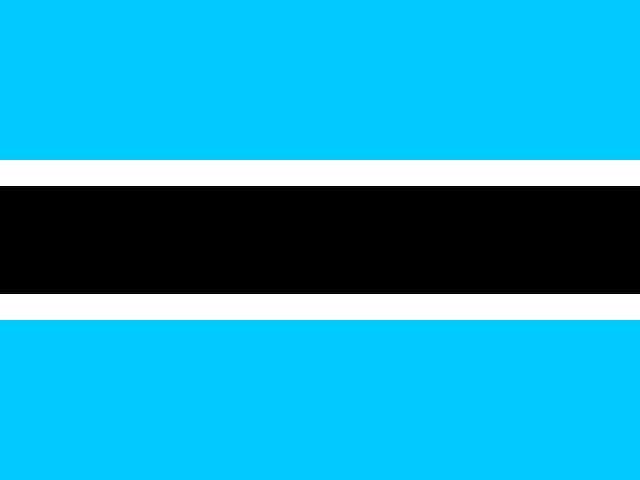
Coal production is set to increase in Botswana, but exports remain limited and mainly involve trade with neighbouring countries. Regarding electrification rates, the country has recently made good progress through a large push for mini-grid and off-grid solutions in rural areas.
- Overview
- Energy mix
- Emissions
- Electricity
-
+ 5 pages

![Botswana Flag]()
-
Laos
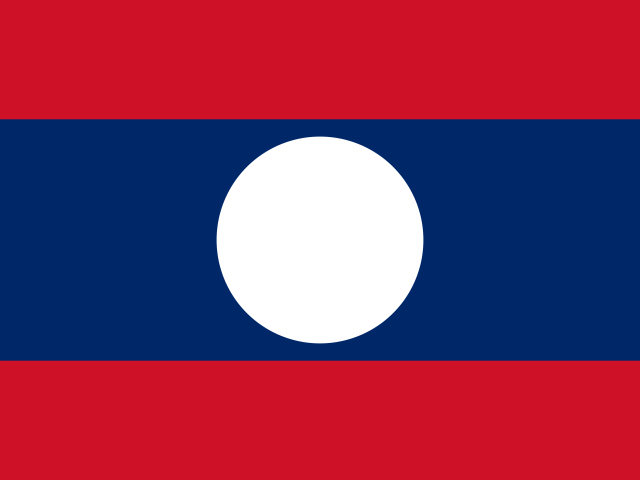
Laos’ 2011 Renewable Energy Development Strategy aims to achieve a renewable energy share of 30% in total energy consumption by 2025. The policy encourages investment in renewables and small power development for self-sufficiency and grid connection.
- Overview
- Energy mix
- Emissions
- Electricity
-
+ 5 pages

![Laos Flag]()
-
Costa Rica
Costa Rica’s energy policy aims to move from a fossil fuels based energy system towards renewable energy sources and to expand its power generation capacity, replacing old power generating stations and developing new projects.
- Overview
- Energy mix
- Emissions
- Electricity
-
+ 5 pages

![Costa Rica Flag]()
-
Nicaragua
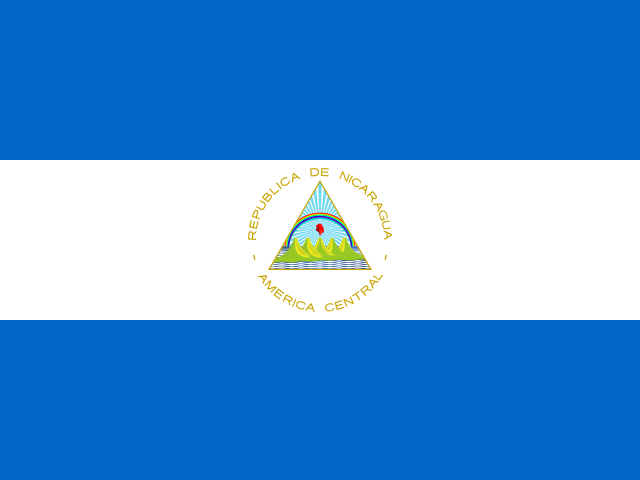
The National Energy Policy of Nicaragua establishes a policy framework for the development and exploitation of renewable sources. The law sets the objective of prioritizing the use of renewable energy in the national energy mix and of stabilizing energy prices using renewables.
- Overview
- Energy mix
- Emissions
- Electricity
-
+ 5 pages
![Nicaragua Flag]()
-
Albania
Albania’s Ministry of Energy recently launched an auction round for the construction of the country’s first large-scale solar plant. The country also has a National Strategy of Energy, which aims to develop an effective energy sector that guarantees security of energy supply and efficient use of energy.
- Overview
- Energy mix
- Emissions
- Electricity
-
+ 5 pages
![Albania Flag]()
-
Uganda
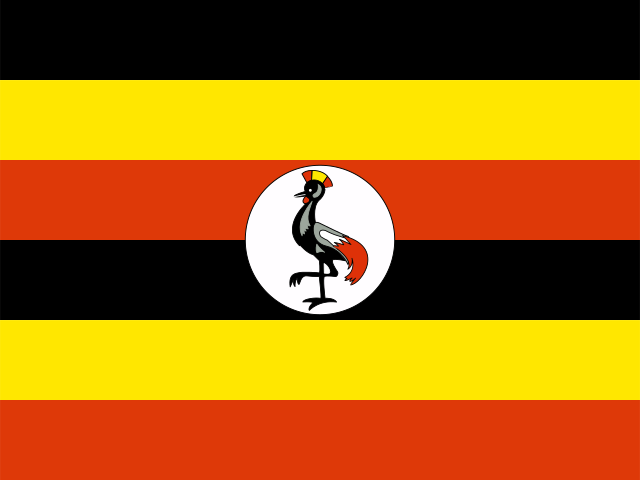
In 2019, Uganda’s energy mix was dominated by fuel wood and charcoal followed by a small share of oil products. The country produces electricity mainly from hydroelectric plants. Between 2017 and 2019, electrification outpaced population growth in Uganda. However in 2020, less than 5% of the population had access to clean cooking.
The Electricity Connection Policy was introduced in 2018 with the ambition of increasing Uganda’s electricity access to 60 percent by 2027 through connection subsidies for consumers located close to the existing network. About 300,000 households and businesses have received free electricity connections, benefiting 1.5…- Overview
- Energy mix
- Emissions
- Electricity
-
+ 5 pages
![Uganda Flag]()
-
Namibia
Most of Namibia’s electricity is generated by hydropower. The country is also one of the ten-largest uranium resource-holders in the world and provides 8.2% of global production. The country has stated its interest in introducing nuclear power into its domestic mix.
- Overview
- Energy mix
- Emissions
- Electricity
-
+ 5 pages
![Namibia Flag]()
-
Finland
Finland has one of the most ambitious climate targets, a legal obligation to reach carbon neutrality by 2035. It is making progress towards this target and has one of the lowest levels of reliance on fossil fuels among IEA member countries. Finland’s forests, which historically offset significant greenhouse gas emissions, have become a net emissions source. A continued push towards the energy transition is needed, as imported fossil fuels still account for over one-third of energy supply and cover higher shares in transport and key industries.
- Overview
- Energy mix
- Emissions
- Electricity
-
+ 5 pages
![Finland Flag]()
-
Benin
Benin is reliant on electricity imports for a significant share of its energy supply. Reform programmes, including plans for electrification, have been put in place in the country, where only 30% of the population had access to electricity in 2017.
- Overview
- Energy mix
- Emissions
- Electricity
-
+ 5 pages
![Benin Flag]()