-
Kazakhstan
Kazakhstan is a significant producer of coal, crude oil and natural gas, and a major energy exporter. While coal dominates the country’s energy mix, renewable sources of energy are a small but growing share of Kazakhstan’s electricity generation. Gas pipeline network expansion remains a priority, in order to expand access and reduce reliance on coal and LPG for household consumption. Kazakhstan is part of the EU4Energy Programme, an initiative focused on evidence-based policymaking for the energy sector.
- Overview
- Energy mix
- Emissions
- Electricity
-
+ 5 pages

![Kazakhstan Flag]()
-
Uganda
In 2019, Uganda’s energy mix was dominated by fuel wood and charcoal followed by a small share of oil products. The country produces electricity mainly from hydroelectric plants. Between 2017 and 2019, electrification outpaced population growth in Uganda. However in 2020, less than 5% of the population had access to clean cooking.
The Electricity Connection Policy was introduced in 2018 with the ambition of increasing Uganda’s electricity access to 60 percent by 2027 through connection subsidies for consumers located close to the existing network. About 300,000 households and businesses have received free electricity connections, benefiting 1.5…- Overview
- Energy mix
- Emissions
- Electricity
-
+ 5 pages

![Uganda Flag]()
-
Türkiye
Rapid economic and population growth in Türkiye over the past two decades have not only driven strong growth in energy demand, but also an associated increase in import dependency. As a result, Türkiye has pursued a restructuring of its energy system with the aim of rationalising energy demand growth, lowering energy prices and slowing the pace of import growth.
These reforms have included measures targeted at modernisation, liberalisation and increased domestic production capacity. Notably, Türkiye has seen considerable diversification of its energy mix in the past decade. Renewable electricity generation has tripled in the past decade and the commissioning of…- Overview
- Energy mix
- Emissions
- Electricity
-
+ 5 pages

![Türkiye Flag]()
-
Equatorial Guinea
Electrification rates are relatively high in Equatorial Guinea at 66%. The country began oil production in the late 1990s and began LNG exports in 2007.
- Overview
- Energy mix
- Emissions
- Electricity
-
+ 5 pages
![Equatorial Guinea Flag]()
-
Mongolia
Coal is the first source of electricity generation in Mongolia, but the country has recently begun using hydro, solar and wind power, and has adopted a law aiming to increase and regulate the use of renewables.
- Overview
- Energy mix
- Emissions
- Electricity
-
+ 5 pages

![Mongolia Flag]()
-
Tanzania
Electricity access in Tanzania increased from around 13% in 2008 to 32% in 2017. The government is supporting the private sector to develop its electricity market, enhancing the role of renewable energy in the energy mix and increasing rural electricity access.
- Overview
- Energy mix
- Emissions
- Electricity
-
+ 5 pages
![Tanzania Flag]()
-
Togo
Less than half of the Togolese population has access to electricity. The country has a relatively diversified energy mix and more than 13% of its final energy consumption comes from renewable supplies of energy, mainly hydropower.
- Overview
- Energy mix
- Emissions
- Electricity
-
+ 5 pages
![Togo Flag]()
-
Nepal
Almost the totality of the electricity generated in Nepal comes from hydropower. Most of the energy supply is from biofuels and waste as 21 million people still rely on traditional biomass for cooking. In 2000, 81% did not have access to electricity but with remarkable efforts from the government, only 6% of the population remain without access today.
- Overview
- Energy mix
- Emissions
- Electricity
-
+ 5 pages
![Nepal Flag]()
-
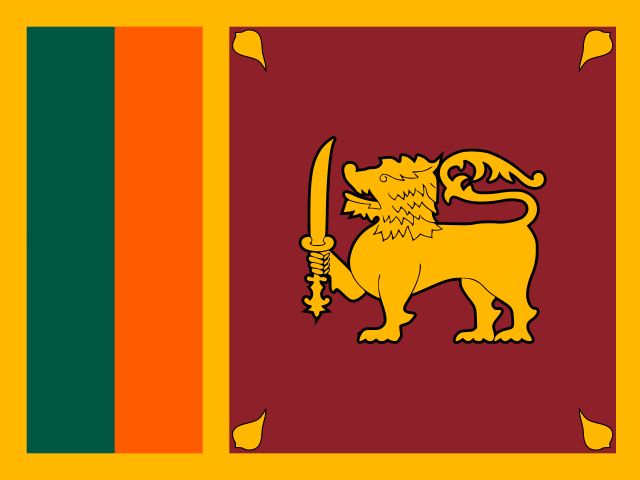
Sri Lanka
Sri Lanka’s primary energy supply mainly comes from oil and coal. Almost 40% of Sri Lanka’s electricity came from hydropower in 2017 but coal’s shares in power generation has been increasing since 2010. Sri Lanka is reaching universal access to electricity but clean cooking remain an issue with 15 million people still relying on biomass to cook.
- Overview
- Energy mix
- Emissions
- Electricity
-
+ 5 pages
![Sri Lanka Flag]()
-
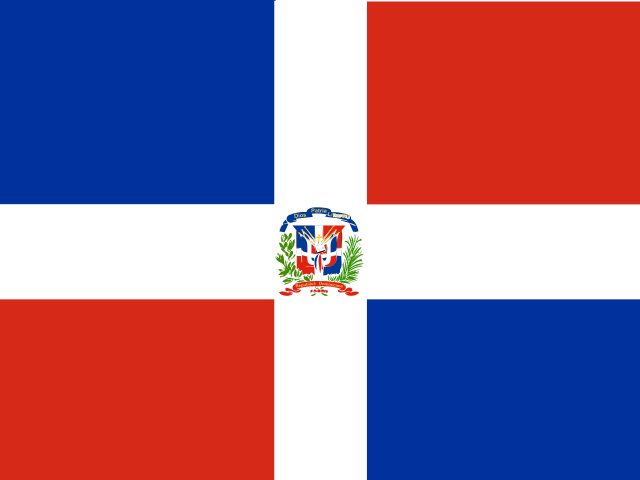
Dominican Republic
Dominican Republic has adopted a law on incentives for the development of renewable energy sources, which aims to increase the diversity of energy sources, reduce dependence on imported fossil fuels and stimulate investment in renewable energy.
- Overview
- Energy mix
- Emissions
- Electricity
-
+ 5 pages

![Dominican Republic Flag]()