-
Kenya
Access to electricity has increased dramatically in Kenya over the past 20 years, reaching almost 3/4 of the population today. The Last Mile Connectivity Project of the Rural Electrification Authority aims to deliver universal access by 2022.
- Overview
- Energy mix
- Emissions
- Electricity
-
+ 5 pages

![Kenya Flag]()
-
Dominican Republic
Dominican Republic has adopted a law on incentives for the development of renewable energy sources, which aims to increase the diversity of energy sources, reduce dependence on imported fossil fuels and stimulate investment in renewable energy.
- Overview
- Energy mix
- Emissions
- Electricity
-
+ 5 pages

![Dominican Republic Flag]()
-
Viet Nam
In recent years, Viet Nam has increased its non-hydro renewable capacity targets in its power development plan, from 9.4% to 21% of total installed capacity in 2030, and decreased the share of coal-fired capacity from 52% to 43%.
- Overview
- Energy mix
- Emissions
- Electricity
-
+ 5 pages

![Viet Nam Flag]()
-
Honduras
In 2014, Honduras approved a new Law of Electrical Industry, which establishes technology-specific auctions for renewable energy. 75% of the population has access to electricity in the country and only 48% can rely on clean cooking facilities.
- Overview
- Energy mix
- Emissions
- Electricity
-
+ 5 pages
![Honduras Flag]()
-
Bahrain
Bahrain's energy supply comes largely from the exploitation of its domestic fossil fuels resources. The country is also a major producer and exporter of oil, petroleum products and natural gas.
- Overview
- Energy mix
- Emissions
- Electricity
-
+ 5 pages

![Bahrain Flag]()
-
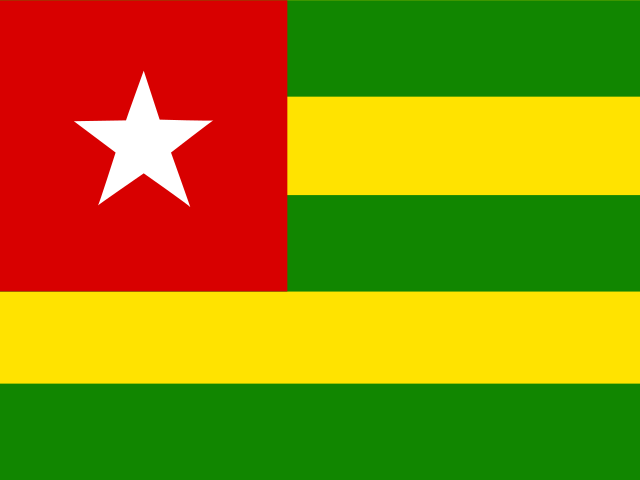
Togo
Less than half of the Togolese population has access to electricity. The country has a relatively diversified energy mix and more than 13% of its final energy consumption comes from renewable supplies of energy, mainly hydropower.
- Overview
- Energy mix
- Emissions
- Electricity
-
+ 5 pages
![Togo Flag]()
-
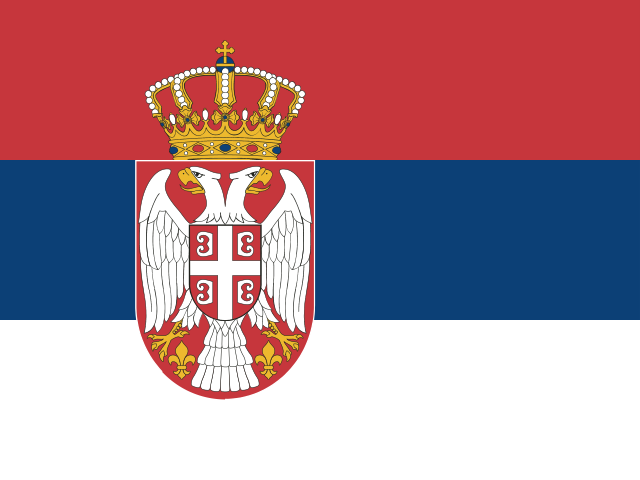
Serbia
In Serbia, the National Renewable Energy Action Plan set targets of renewable energy sources use until 2020, as well as the pathway to achieve them. Among other things, it enhances investments towards the development of renewables.
Data for Serbia includes Montenegro until 2004.- Overview
- Energy mix
- Emissions
- Electricity
-
+ 5 pages

![Serbia Flag]()
-
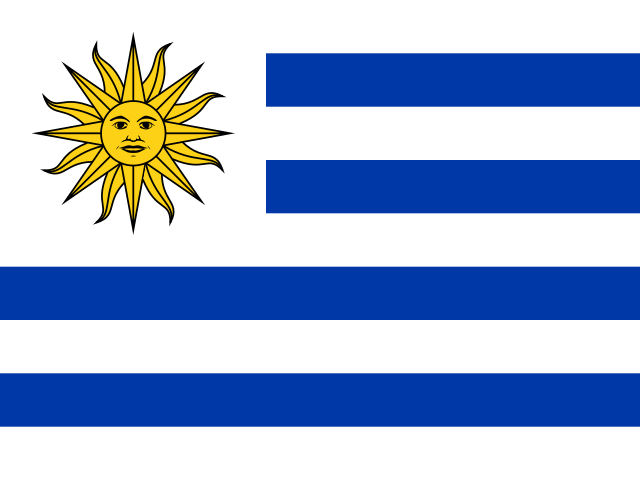
Uruguay
In 2010 the Ministry of Energy, Mining and Industry of Uruguay approved Decree 354 on the Promotion of Renewable Energies meant to increase dramatically the share of electricity generation from renewable sources in the country.
- Overview
- Energy mix
- Emissions
- Electricity
-
+ 5 pages
![Uruguay Flag]()
-
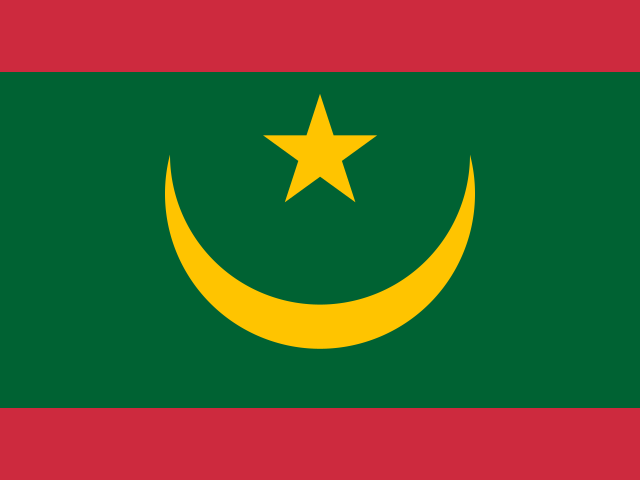
Mauritania
In 2019, Mauritania’s energy mix was dominated by oil products (65%) and biofuels and waste (32%). In 2020, 43% of the population had access to clean cooking which is the highest share in West Africa. In 2020, 47% of the population had access to electricity. For electricity access, the country targets universal access in urban areas and doubling of the current rate in rural areas by 2024, with country-wide universal access by 2030. For clean cooking, the target is 100% access to LPG in urban areas and 50% access to LPG in rural areas by 2030.
- Overview
- Energy mix
- Emissions
- Electricity
-
+ 5 pages
![Mauritania Flag]()
-
Malaysia
In Malaysia, the share of gas in the power mix decreased from 67% in 2005 to 47% in 2015, led by policies to switch to coal in response to declining domestic gas production. The country holds a large share of Southeast Asia’s fossil fuel resources.
- Overview
- Energy mix
- Emissions
- Electricity
-
+ 5 pages
![Malaysia Flag]()