-
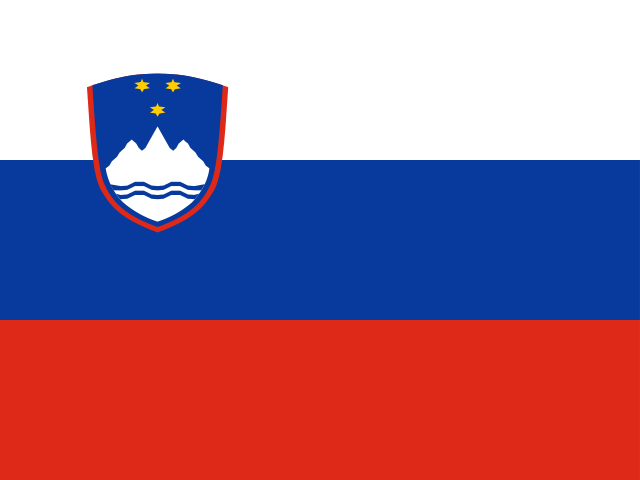
Slovenia
Slovenia has put in place a National Renewable Action Plan to 2020, which targets a 25% share of energy generation from renewable sources in gross final energy consumption and 39% of electricity demand met by electricity generated from renewable energy sources.
- Overview
- Energy mix
- Emissions
- Electricity
-
+ 5 pages

![Slovenia Flag]()
-
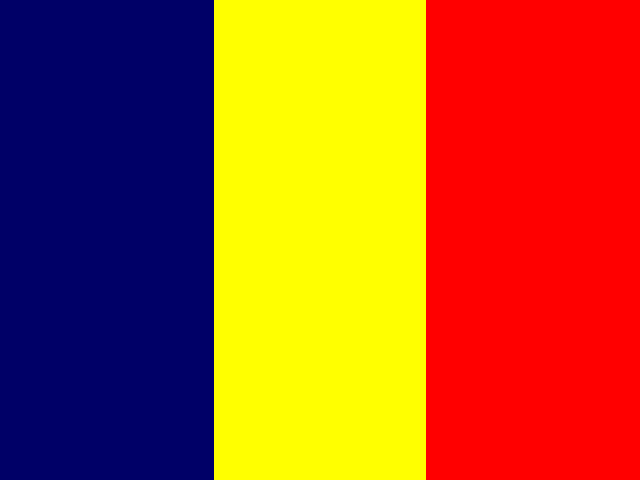
Chad
In Chad, only 4% of the population has access to electricity. This goes hand-in-hand with low rates of access to basic services such as drinking water, basic sanitation and paved roads. Meanwhile, crude oil has become the country’s primary source of export earnings. In 2019, Chad’s energy mix was dominated by biofuels and wastes (85%) with oil products accounting for the rest of the total energy supply. In 2020, less than 5% of the population had access to clean cooking and 8% had access to electricity. The electrification rate is one of the lowest in Sub…
- Overview
- Energy mix
- Emissions
- Electricity
-
+ 5 pages

![Chad Flag]()
-
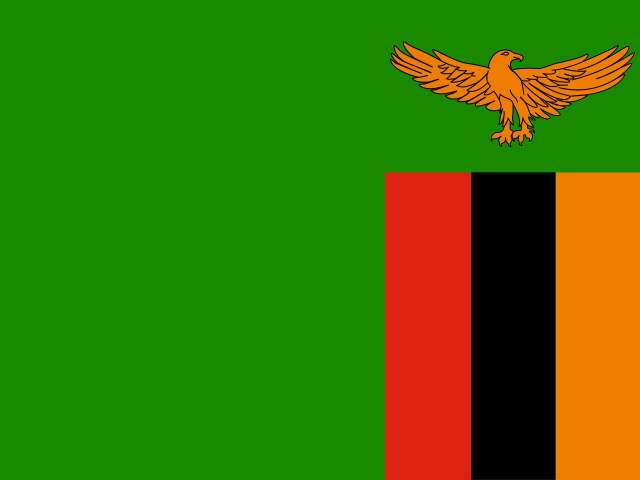
Zambia
Coal production is set to increase in Zambia, but exports remain limited to trade with neighbouring countries. The country has recently made good progress regarding electrification rates through a large push for mini-grid and off-grid solutions in rural areas.
- Overview
- Energy mix
- Emissions
- Electricity
-
+ 5 pages
![Zambia Flag]()
-
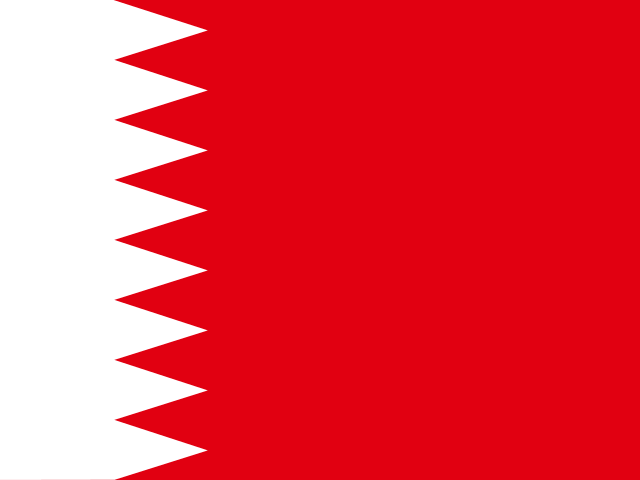
Bahrain
Bahrain's energy supply comes largely from the exploitation of its domestic fossil fuels resources. The country is also a major producer and exporter of oil, petroleum products and natural gas.
- Overview
- Energy mix
- Emissions
- Electricity
-
+ 5 pages

![Bahrain Flag]()
-
Montenegro
The Energy Development Strategy of Montenegro sets out objectives and defines mechanisms for the transition from the current energy system to a safe, competitive and environmentally acceptable energy paradigm by 2025. It also provides guidelines for the development of the energy sector with the aim of attracting investors.
Data for Montenegro is included under Serbia until 2004.- Overview
- Energy mix
- Emissions
- Electricity
-
+ 5 pages
![Montenegro Flag]()
-
Togo
Less than half of the Togolese population has access to electricity. The country has a relatively diversified energy mix and more than 13% of its final energy consumption comes from renewable supplies of energy, mainly hydropower.
- Overview
- Energy mix
- Emissions
- Electricity
-
+ 5 pages
![Togo Flag]()
-
Kenya
Access to electricity has increased dramatically in Kenya over the past 20 years, reaching almost 3/4 of the population today. The Last Mile Connectivity Project of the Rural Electrification Authority aims to deliver universal access by 2022.
- Overview
- Energy mix
- Emissions
- Electricity
-
+ 5 pages
![Kenya Flag]()
-
Qatar
Qatar is a major producer and exporter of natural gas, oil and oil products. Its domestic oil and gas productions entirely cover the country’s energy needs.
- Overview
- Energy mix
- Emissions
- Electricity
-
+ 5 pages
![Qatar Flag]()
-
Philippines
The Philippines has made significant progress in delivering electricity access, boosting the household electrification rate past 90% in 2016. The country is on track to meet the target of achieving universal electrification by 2022, as set out in the Philippine Development Plan 2017-2022.
- Overview
- Energy mix
- Emissions
- Electricity
-
+ 5 pages

![Philippines Flag]()
-
Niger
Access to electricity remains a challenge in Niger and the country is reliant on electricity imports for a significant share of its supply. The country is an oil resource centre and it is one of the ten-largest uranium resource-holders in the world.
- Overview
- Energy mix
- Emissions
- Electricity
-
+ 5 pages
![Niger Flag]()