-
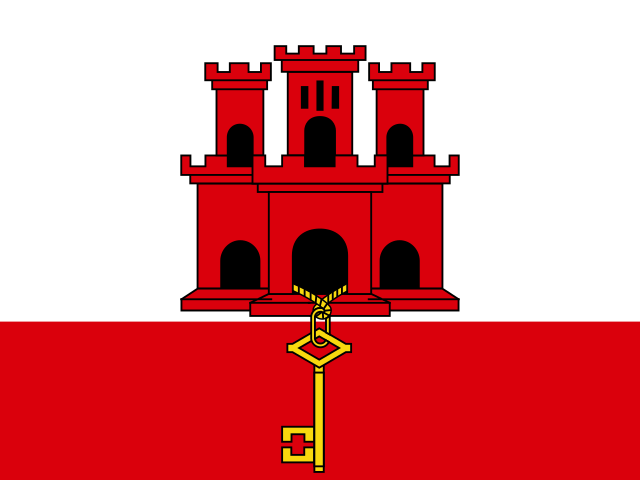
Gibraltar
Gibraltar
- Overview
- Energy mix
- Emissions
- Electricity
-
+ 5 pages

![Gibraltar Flag]()
-
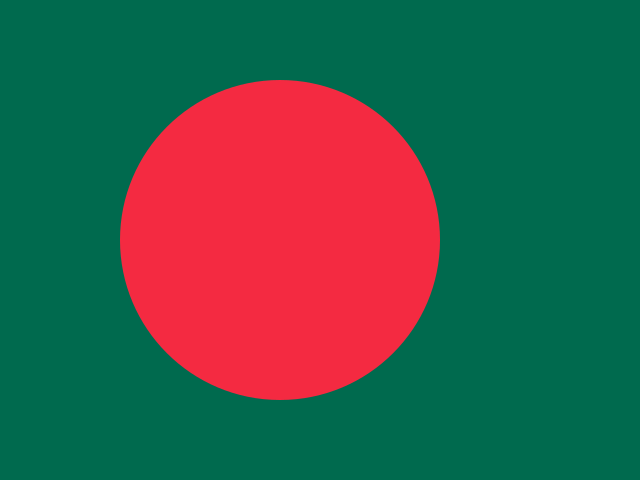
Bangladesh
In Bangladesh, electricity is available for 85% of the population, up from 20% in 2000. Gas accounts for the majority of the country’s electricity production, even though wind, hydropower and solar PV shares are growing. Bangladesh has also implemented energy policy incentives towards the deployment of renewables.
- Overview
- Energy mix
- Emissions
- Electricity
-
+ 5 pages

![Bangladesh Flag]()
-
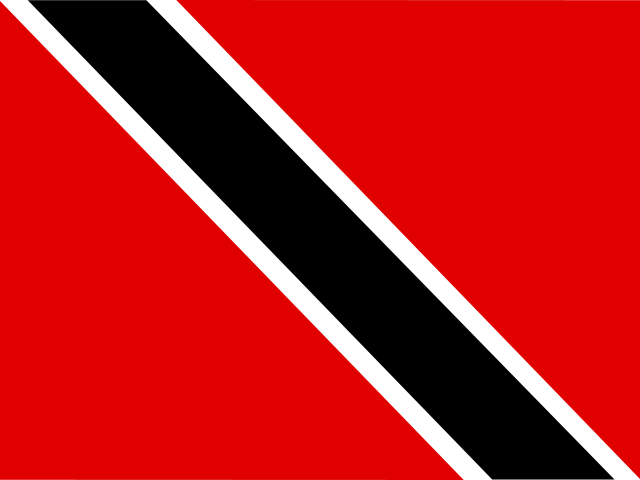
Trinidad and Tobago
Trinidad and Tobago
- Overview
- Energy mix
- Emissions
- Electricity
-
+ 5 pages

![Trinidad and Tobago Flag]()
-
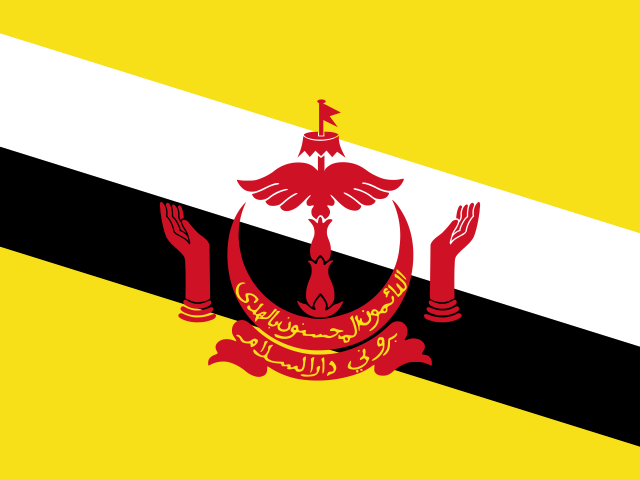
Brunei Darussalam
In 2014, Brunei adopted a strategic plan to achieve 10% share of renewables in the national energy mix by 2035. The plan provides the outline to introduce renewable energy policy and regulatory frameworks and to scale-up market deployment of solar PV.
- Overview
- Energy mix
- Emissions
- Electricity
-
+ 5 pages
![Brunei Darussalam Flag]()
-
Ethiopia
In Ethiopia, while electricity reaches less than half of the population, great progress has been made over the past two decades. The National Electrification Program, launched in 2017, outlines a plan to reach universal access by 2025, aiming to supply 35% of the population with off-grid solutions. Meanwhile, Ethiopia is diversifying its hydro-dominated installed generation mix in favour of solar, wind and geothermal to pursue a more climate-resilient power system and reach economic development objectives.
- Overview
- Energy mix
- Emissions
- Electricity
-
+ 5 pages

![Ethiopia Flag]()
-
Equatorial Guinea
Electrification rates are relatively high in Equatorial Guinea at 66%. The country began oil production in the late 1990s and began LNG exports in 2007.
- Overview
- Energy mix
- Emissions
- Electricity
-
+ 5 pages
![Equatorial Guinea Flag]()
-
Italy
Italy aims for carbon neutrality by 2050 and is on track to reach its 2030 targets for emissions reductions and energy efficiency, aiming to reach 30% of renewables in total energy consumption and 55% of renewables in electricity generation. The country has experienced notable growth in the renewable energy sector and has successfully integrated large volumes of variable renewable generation. Natural gas is a major source for electricity and heating, therefore Italy has strengthened its energy security by diversifying natural gas supply, making use of the pipeline and LNG infrastructure that it has built up over the last decade. Reducing…
- Overview
- Energy mix
- Emissions
- Electricity
-
+ 5 pages
![Italy Flag]()
-
Panama
Panama's National Energy Plan 2015–2050 outlines long-term strategy for the country’s energy sector development, including renewables. The Plan established that 15% of Panama’s generation capacity will come from renewables by 2030 and 50% by 2050.
- Overview
- Energy mix
- Emissions
- Electricity
-
+ 5 pages
![Panama Flag]()
-
Curacao
Curacao
- Overview
- Energy mix
- Emissions
- Electricity
-
+ 5 pages
![Curacao Flag]()
-
Bahrain
Bahrain's energy supply comes largely from the exploitation of its domestic fossil fuels resources. The country is also a major producer and exporter of oil, petroleum products and natural gas.
- Overview
- Energy mix
- Emissions
- Electricity
-
+ 5 pages

![Bahrain Flag]()