-
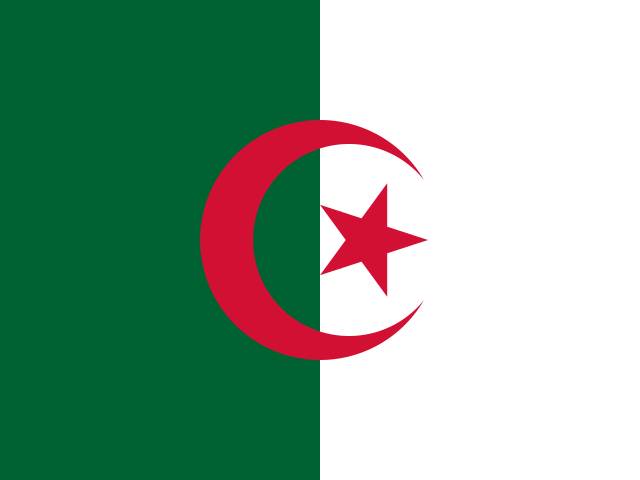
Algeria
Algeria is a large oil and gas producer and exporter. In 2015, the country updated its Renewable Energy and Energy Efficiency Development Plan to 2030, and put greater focus on the deployment of large-scale renewables, including solar PV and onshore wind installations, through various incentive measures.
- Overview
- Energy mix
- Emissions
- Electricity
-
+ 5 pages

![Algeria Flag]()
-
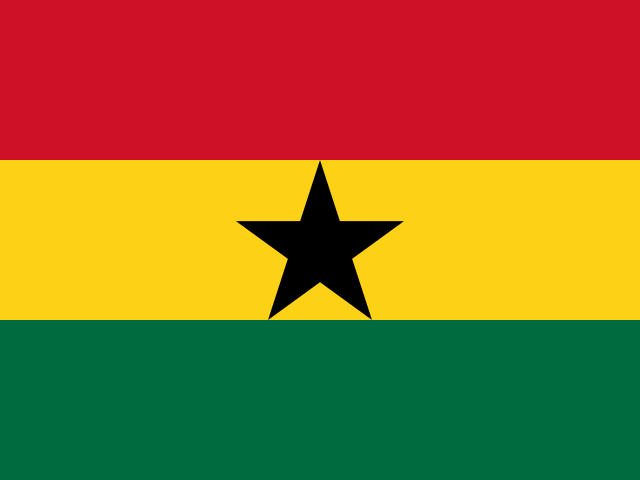
Ghana
In Ghana, electrification rates have gradually increased over the past 20 years, reaching almost 85% in 2017 and building on successful electrification plans. The country relies on a diversified energy mix and hosts the largest hydropower project of the Western African region.
- Overview
- Energy mix
- Emissions
- Electricity
-
+ 5 pages
![Ghana Flag]()
-
Montenegro
The Energy Development Strategy of Montenegro sets out objectives and defines mechanisms for the transition from the current energy system to a safe, competitive and environmentally acceptable energy paradigm by 2025. It also provides guidelines for the development of the energy sector with the aim of attracting investors.
Data for Montenegro is included under Serbia until 2004.- Overview
- Energy mix
- Emissions
- Electricity
-
+ 5 pages

![Montenegro Flag]()
-
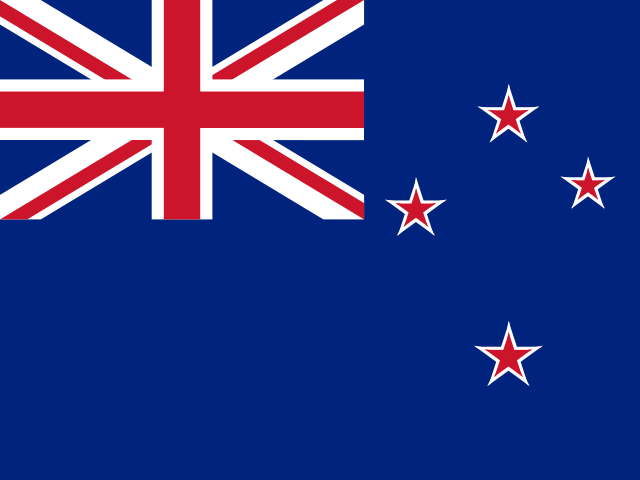
New Zealand
New Zealand has a diversified energy mix, with significant production of both hydropower and geothermal. As the country embarks on an ambitious energy transition, it has many natural advantages, including a strong renewable resource base. New Zealand already has a low-emissions electricity system, with over 80% of electricity coming from renewable sources. The key challenge will be to decarbonise other end-use sectors through clean power and support investments in new technologies to achieve deeper emissions cuts across all sectors. Notably, the transport sector accounts for the highest share of emissions and is almost entirely dependent on oil while…
- Overview
- Energy mix
- Emissions
- Electricity
-
+ 5 pages

![New Zealand Flag]()
-
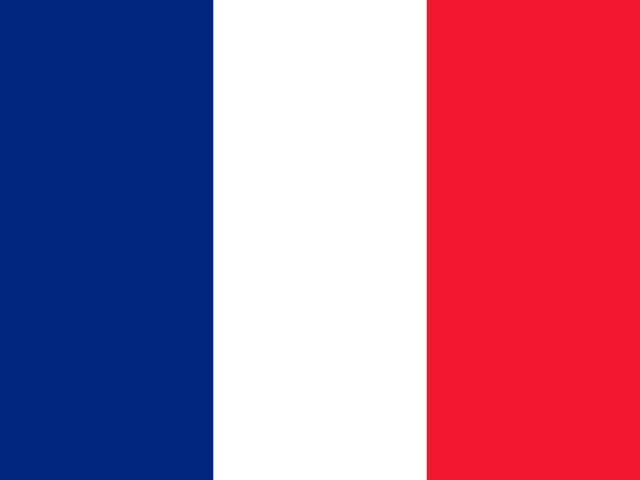
France
France has a very low-carbon electricity mix owing to its large nuclear fleet, the second-largest after the United States. As an early leader in setting out an ambitious energy transition, France legislated a net zero emissions target for 2050 in its 2019 Energy and Climate Act and aims at reducing by 55% its greenhouse gas emissions by 2030. A national low-carbon strategy with 5-year carbon budgets and a multiannual plan for energy investments implement the long-term target.
Acknowledging the need to maintain electricity security in the longer term and a low-carbon footprint France invests…- Overview
- Energy mix
- Emissions
- Electricity
-
+ 5 pages
![France Flag]()
-
Curacao
Curacao
- Overview
- Energy mix
- Emissions
- Electricity
-
+ 5 pages

![Curacao Flag]()
-
Iraq
Iraq holds abundant oil and gas resources and has strong solar PV potential. Its production to 2030 is set to be third largest contributor to global oil supply. By the same year, the government expects that renewable capacity will amount for 5% of the country’s total system capacity.
- Overview
- Energy mix
- Emissions
- Electricity
-
+ 5 pages

![Iraq Flag]()
-
Mauritania
In 2019, Mauritania’s energy mix was dominated by oil products (65%) and biofuels and waste (32%). In 2020, 43% of the population had access to clean cooking which is the highest share in West Africa. In 2020, 47% of the population had access to electricity. For electricity access, the country targets universal access in urban areas and doubling of the current rate in rural areas by 2024, with country-wide universal access by 2030. For clean cooking, the target is 100% access to LPG in urban areas and 50% access to LPG in rural areas by 2030.
- Overview
- Energy mix
- Emissions
- Electricity
-
+ 5 pages
![Mauritania Flag]()
-
Guatemala
The National Energy Plan of Guatemala defines the promotion of renewables as a priority. The plan aims to promote the use of clean and environmentally friendly energy for domestic consumption without losing sight of energy security and the need for supplying electricity at competitive prices.
- Overview
- Energy mix
- Emissions
- Electricity
-
+ 5 pages
![Guatemala Flag]()
-
Mauritius
The energy mix in Mauritius is dominated by coal and oil. Almost 10% of the country's final energy consumption is generated by modern renewable sources of energy – a share that has gradually decreased for the past 20 years.
- Overview
- Energy mix
- Emissions
- Electricity
-
+ 5 pages
![Mauritius Flag]()