-
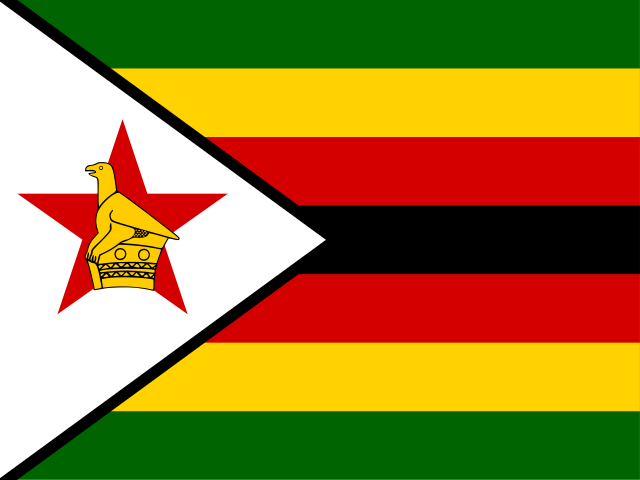
Zimbabwe
Zimbabwe holds large coal reserves and production is set to increase. The country has also significantly untapped its hydropower potential, even though the share of hydropower generation is gradually decreasing.
- Overview
- Energy mix
- Emissions
- Electricity
-
+ 5 pages

![Zimbabwe Flag]()
-
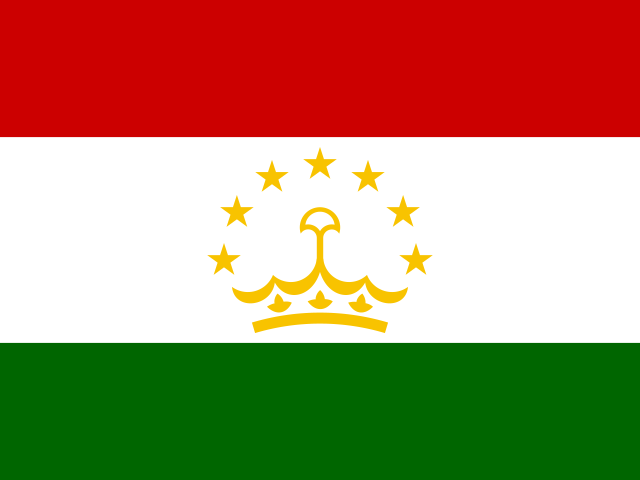
Tajikistan
Hydropower is the main source of energy in Tajikistan, followed by imported oil, gas and coal. However, Tajikistan's energy sector is prone to supply shocks, due to seasonal shortages. Energy policy focuses on providing uninterrupted energy access to all users while improving regional co‑operation and energy sector efficiency, but significant domestic and foreign investment will be necessary for continued energy sector development. Tajikistan is part of the EU4Energy Programme, an initiative focused on evidence-based policymaking for the energy sector.
- Overview
- Energy mix
- Emissions
- Electricity
-
+ 5 pages

![Tajikistan Flag]()
-
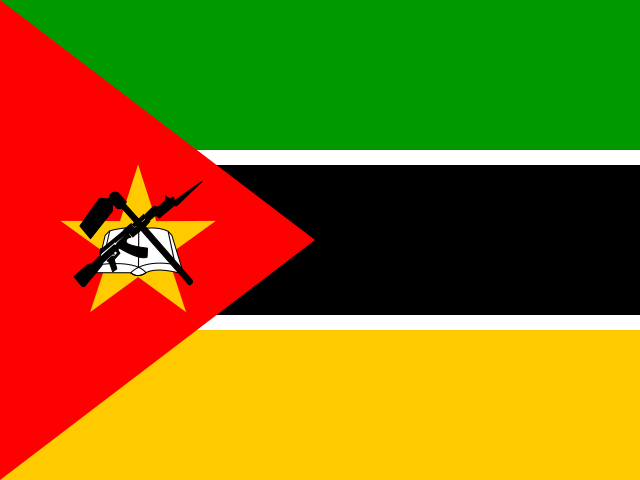
Mozambique
In Mozambique, around 40% of people have access to electricity, through the grid or mini/off-grid systems. The government has promoted solar PV solutions in rural areas, reporting that 700 schools and 800 other public buildings now have electricity from solar.
- Overview
- Energy mix
- Emissions
- Electricity
-
+ 5 pages
![Mozambique Flag]()
-
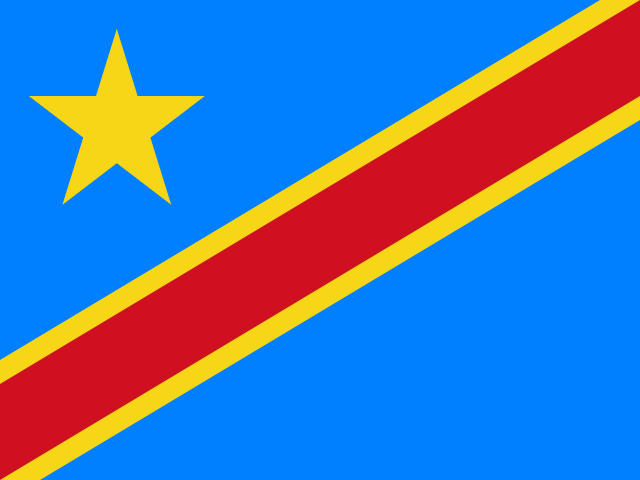
Democratic Republic of the Congo
The Democratic Republic of the Congo has huge hydropower potential while also dealing with extreme energy poverty. Foreign investors are currently partially lifting constraints on the country’s hydropower capacity, which is bringing down the costs of power supply and reducing the share of oil-fired power.
- Overview
- Energy mix
- Emissions
- Electricity
-
+ 5 pages
![Democratic Republic of the Congo Flag]()
-
Chad
In Chad, only 4% of the population has access to electricity. This goes hand-in-hand with low rates of access to basic services such as drinking water, basic sanitation and paved roads. Meanwhile, crude oil has become the country’s primary source of export earnings. In 2019, Chad’s energy mix was dominated by biofuels and wastes (85%) with oil products accounting for the rest of the total energy supply. In 2020, less than 5% of the population had access to clean cooking and 8% had access to electricity. The electrification rate is one of the lowest in Sub…
- Overview
- Energy mix
- Emissions
- Electricity
-
+ 5 pages
![Chad Flag]()
-
Angola
Angola is set to become the largest producer of crude oil in Southern Africa, yet has also set the foundation for the sustainable development of renewables, through investments and supportive measures. Angola has particularly strong hydropower generation potential that remains underutilised.
- Overview
- Energy mix
- Emissions
- Electricity
-
+ 5 pages
![Angola Flag]()
-
Oman
Oman’s energy supply is entirely generated by nationally-produced natural gas and oil products and the country is a large exporter of oil and gas. The government has recently launched the “Residential PV Initiative" to foster the private use of solar PV.
- Overview
- Energy mix
- Emissions
- Electricity
-
+ 5 pages

![Oman Flag]()
-
United Arab Emirates
The majority of the energy produced in the United Arab Emirates is from natural gas and oil. The country is also a major exporter of oil and gas and it started using its strong solar PV potential in 2014 to produce electricity.
- Overview
- Energy mix
- Emissions
- Electricity
-
+ 5 pages
![United Arab Emirates Flag]()
-
Costa Rica
Costa Rica’s energy policy aims to move from a fossil fuels based energy system towards renewable energy sources and to expand its power generation capacity, replacing old power generating stations and developing new projects.
- Overview
- Energy mix
- Emissions
- Electricity
-
+ 5 pages

![Costa Rica Flag]()
-
Sri Lanka
Sri Lanka’s primary energy supply mainly comes from oil and coal. Almost 40% of Sri Lanka’s electricity came from hydropower in 2017 but coal’s shares in power generation has been increasing since 2010. Sri Lanka is reaching universal access to electricity but clean cooking remain an issue with 15 million people still relying on biomass to cook.
- Overview
- Energy mix
- Emissions
- Electricity
-
+ 5 pages

![Sri Lanka Flag]()