-
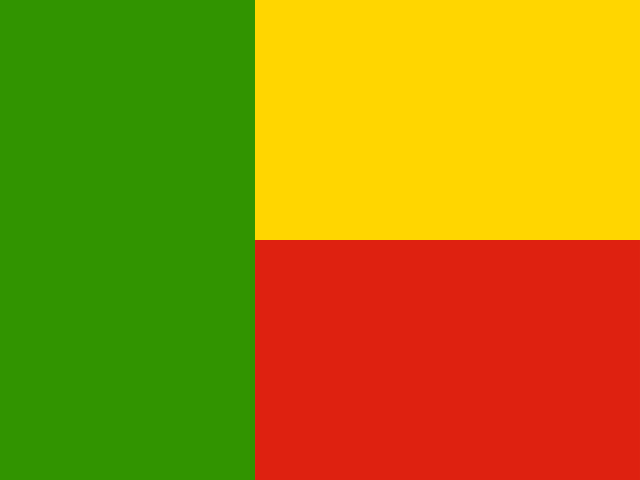
Benin
Benin is reliant on electricity imports for a significant share of its energy supply. Reform programmes, including plans for electrification, have been put in place in the country, where only 30% of the population had access to electricity in 2017.
- Overview
- Energy mix
- Emissions
- Electricity
-
+ 5 pages

![Benin Flag]()
-
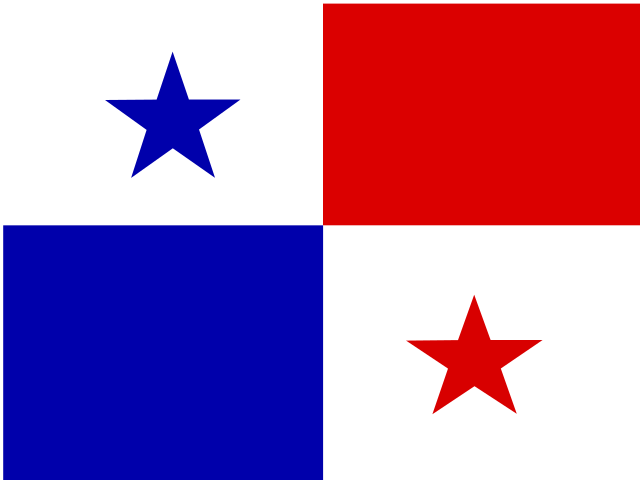
Panama
Panama's National Energy Plan 2015–2050 outlines long-term strategy for the country’s energy sector development, including renewables. The Plan established that 15% of Panama’s generation capacity will come from renewables by 2030 and 50% by 2050.
- Overview
- Energy mix
- Emissions
- Electricity
-
+ 5 pages

![Panama Flag]()
-
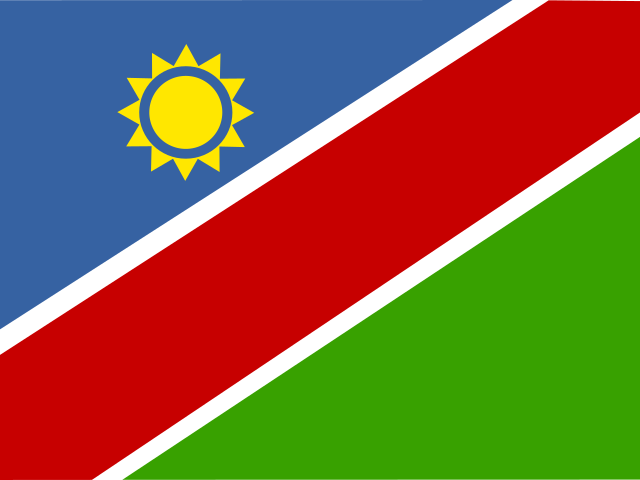
Namibia
Most of Namibia’s electricity is generated by hydropower. The country is also one of the ten-largest uranium resource-holders in the world and provides 8.2% of global production. The country has stated its interest in introducing nuclear power into its domestic mix.
- Overview
- Energy mix
- Emissions
- Electricity
-
+ 5 pages
![Namibia Flag]()
-
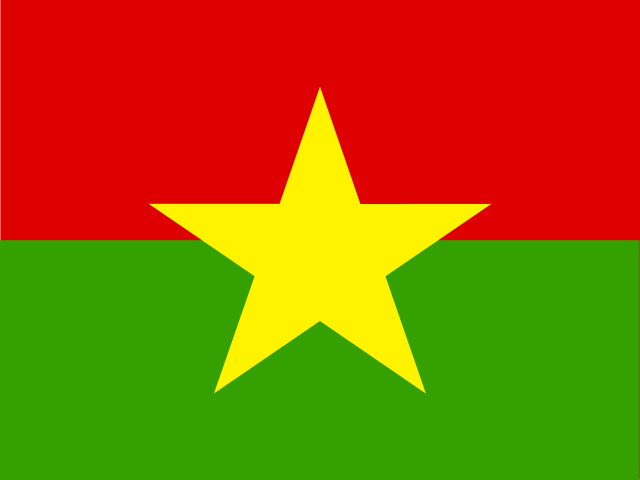
Burkina Faso
In 2019, Burkina Faso’s energy mix was dominated by biofuels and wastes, with oil products accounting for one-third of the total energy supply. In 2020, 11% of the population had access to clean cooking and only 21% had access to electricity, making Burkina Faso one of the world’s least-electrified countries. For electricity, the country has a target of 95% access for urban areas and 50% for rural areas by 2030. For clean cooking, Burkina Faso has a universal access target for urban areas and 65% in rural areas by 2030. The target for LPG urban penetration…
- Overview
- Energy mix
- Emissions
- Electricity
-
+ 5 pages
![Burkina Faso Flag]()
-
Bosnia and Herzegovina
Bosnia and Herzegovina adopted a National Environmental Action Plan, which provides action path to address the major environmental issues of the country. In the energy sector the target will be achieved by increasing energy efficiency and usage of renewables (hydro, solar, wind and geothermal energy).
- Overview
- Energy mix
- Emissions
- Electricity
-
+ 5 pages

![Bosnia and Herzegovina Flag]()
-
Australia
…Net Zero emissions by 2050, while ensuring a just and inclusive energy transition through the guidance of the Net Zero Authority under the Prime Minister’s office. By 2030, the government aims to reach the clean electricity target of 82% of renewable energy. In addition to this target, Australia is implementing a new 2030 critical minerals strategy and gas market reforms to boost energy security during the transition. Flexibility, fuel availability and resilient infrastructure will become even more vital as Australia’s energy system incorporates very high shares of variable renewables and faces more frequent and more extreme weather events.
- Overview
- Energy mix
- Emissions
- Electricity
-
+ 5 pages

![Australia Flag]()
-
Madagascar
Around a quarter of the population of Madagascar has access to electricity, and only 1.5% has access to clean cooking facilities. In 2019, Madagascar’s energy mix was dominated by biofuels and wastes (85%), with oil products (11%), coal and hydro accounting for the rest of the total energy supply. In 2020, less than 5% of the population had access to clean cooking and 27% had access to electricity. The Government of Madagascar has set a target of reaching 70% electricity access rate by 2030.
- Overview
- Energy mix
- Emissions
- Electricity
-
+ 5 pages
![Madagascar Flag]()
-
Zambia
Coal production is set to increase in Zambia, but exports remain limited to trade with neighbouring countries. The country has recently made good progress regarding electrification rates through a large push for mini-grid and off-grid solutions in rural areas.
- Overview
- Energy mix
- Emissions
- Electricity
-
+ 5 pages
![Zambia Flag]()
-
Nepal
Almost the totality of the electricity generated in Nepal comes from hydropower. Most of the energy supply is from biofuels and waste as 21 million people still rely on traditional biomass for cooking. In 2000, 81% did not have access to electricity but with remarkable efforts from the government, only 6% of the population remain without access today.
- Overview
- Energy mix
- Emissions
- Electricity
-
+ 5 pages
![Nepal Flag]()
-
Cyprus
Cyprus adopted the Law on the Promotion of Renewable Energy and Energy Efficiency in the early 2010s, which creates a fund that finances the premium tariff and other costs related to renewable electricity generation.
Note by the Republic of Türkiye (Türkiye): The information in this document with reference to Cyprus relates to the southern part of the Island. There is no single authority representing both Turkish and Greek Cypriot people on the Island. Türkiye recognises the Turkish Republic of Northern Cyprus (TRNC). Until a lasting and equitable solution is found within the context of United Nations, Türkiye shall preserve its…- Overview
- Energy mix
- Emissions
- Electricity
-
+ 5 pages
![Cyprus Flag]()